

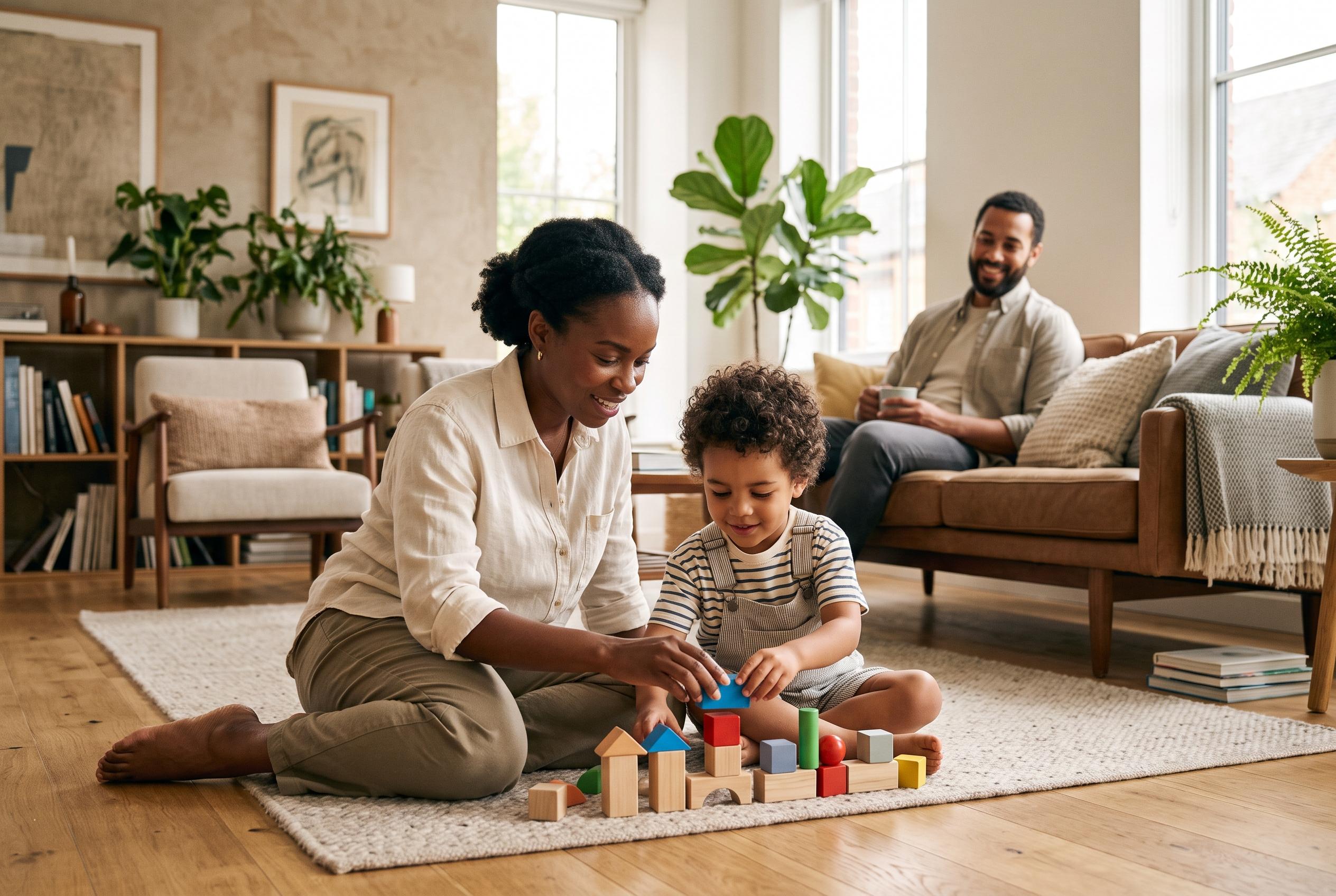

Consistent routines and playful practice are key to reducing anxiety and fostering emotional growth in children, according to experts and early childhood educators.
Children are more likely to settle when the day feels familiar. Predictable routines can reduce anxiety because they help turn an uncertain world into something a child can begin to understand. That is the central idea behind a parenting piece from Carmel Mountain Preschool, which argues that practice gives children a chance to rehearse new experiences before they face them in real life.
The approach aligns with guidance from the Centres for Disease Control and Prevention, which says consistent routines and clear rules help children feel secure and know what is expected of them. Seattle Children’s makes a similar point, noting that structure and stability support emotional development, while regular patterns such as sleep times and family meals can help young children build confidence and self-regulation. Together, these sources suggest that routine is not about rigidity so much as reassurance.
The same principle applies to play. HealthyChildren.org, the parenting resource from the American Academy of Pediatrics, says play is essential to learning social skills, including how to share, cooperate and maintain friendships. The academy has also argued that play strengthens creativity, imagination and emotional growth, while supporting the parent-child bond. In other words, playful practice is not a diversion from learning; for young children, it is often how learning happens best.
That is why rehearsing everyday moments can be so useful. A child who practises transitions, manners, or the steps of a new activity in a low-pressure setting is better prepared when the moment arrives for real. The Carmel Mountain Preschool article says this kind of shared practice gives parents a chance to spot where a child needs extra support and to build a toolkit they can draw on later. The broader message across child-development guidance is clear: when adults model calm responses, give children room to make mistakes, and create predictable spaces for exploration, they are helping children feel seen, soothed, secure and safe.
Disclaimer: This content is for informational purposes only and is not intended to be a substitute for professional medical judgment, advice, diagnosis, or treatment.



