

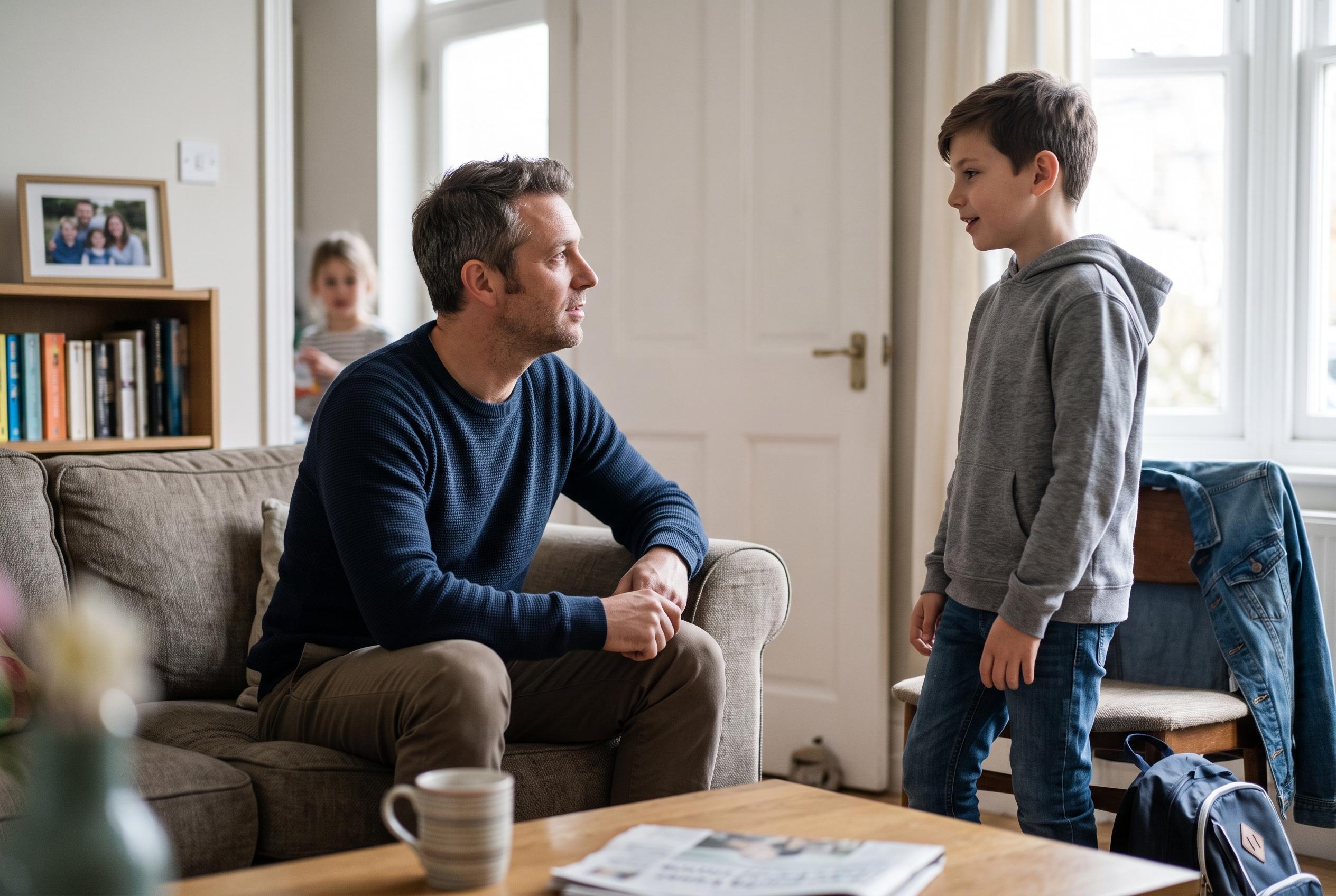

Experts emphasise the importance of open conversations, strong identity, and redefining masculinity to equip boys with the skills to resist peer pressure and harmful behaviour.
The hardest conversations between parents and sons are often the ones about consent, pressure and the moment when silence becomes complicity. In the wake of the Cornell sexual assault case described by Scary Mommy, many parents are asking the same anxious question: how do you raise a boy who will not simply go along with a harmful group dynamic when it matters most?
Experts say the answer is not a single rehearsed line or a one-off lecture. Jennifer Fink, author of “Building Boys”, argues that parents should be direct about the risks of drinking, sex and group pressure, while also acknowledging that real life is messy and impulsive. Her advice is to ask sons what they have heard, what they think, and what they would do if they found themselves in a situation where friends were pushing a dangerous line. The goal is to keep the discussion open enough that a young person is more likely to return for help before something goes wrong.
That approach aligns with guidance from the Child Mind Institute, which says consent needs to be taught clearly, repeatedly and in age-appropriate language. Its advice stresses that parents should talk not only about saying no, but about recognising boundaries, reading other people’s discomfort and understanding that consent can be withdrawn at any point. Parenting guides from other child-wellbeing groups make the same point: children are more likely to resist pressure when they have practised refusal language and know they can turn to an adult without being shamed.
Josh Jonas, a psychotherapist in New York, says the deeper task is to raise connected boys rather than merely obedient ones. In his view, people are more vulnerable to harmful group behaviour when they feel isolated, underpowered or desperate for belonging. That is why he encourages parents to strengthen a son’s sense of identity, values and self-worth long before he is faced with peer pressure. If a boy knows who he is, and believes that worth does not depend on winning approval from a crowd, he is likelier to challenge behaviour that is cruel or degrading.
That theme is echoed in work on healthy masculinity. The University of Minnesota’s Healthy Masculinities initiative says boys and men can be pressured into narrow ideas of manhood that reward aggression, silence and emotional suppression. Rather than treating toughness as the ideal, the programme encourages vulnerability, help-seeking and a wider range of emotional expression. RAP Academy’s “Brother, Let’s Talk” programme takes a similar line with Black men and boys, offering a trauma-informed space to examine masculinity, accountability and the beliefs that shape harmful behaviour. Both efforts suggest that prevention starts well before a crisis, by widening the definition of what it means to be strong.
Several experts also argue that parents should teach sons how to interrupt harm, not just avoid causing it. SafeBAE’s bystander campaign promotes simple intervention habits such as distracting, delegating, documenting, directing and delaying. Jonathon Reed of Next Gen Men says boys should be taught that stepping in may carry a social cost, whether that means awkwardness, ridicule or losing status, but that speaking up can also make it easier for the next person to do the same. His advice is to name that cost in advance so young men are not caught off guard when loyalty to a group conflicts with loyalty to what is right.
For parents, that may mean moving beyond the comforting belief that “my son would never” and towards a more honest, durable lesson: character is tested in groups, under pressure and when nobody is watching closely enough. The most useful preparation is not a script that guarantees the right response, but a long-running conversation about empathy, boundaries, responsibility and the kind of man a boy wants to become.
Disclaimer: This content is for informational purposes only and is not intended to be a substitute for professional medical judgment, advice, diagnosis, or treatment.



