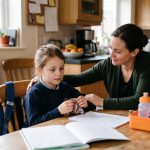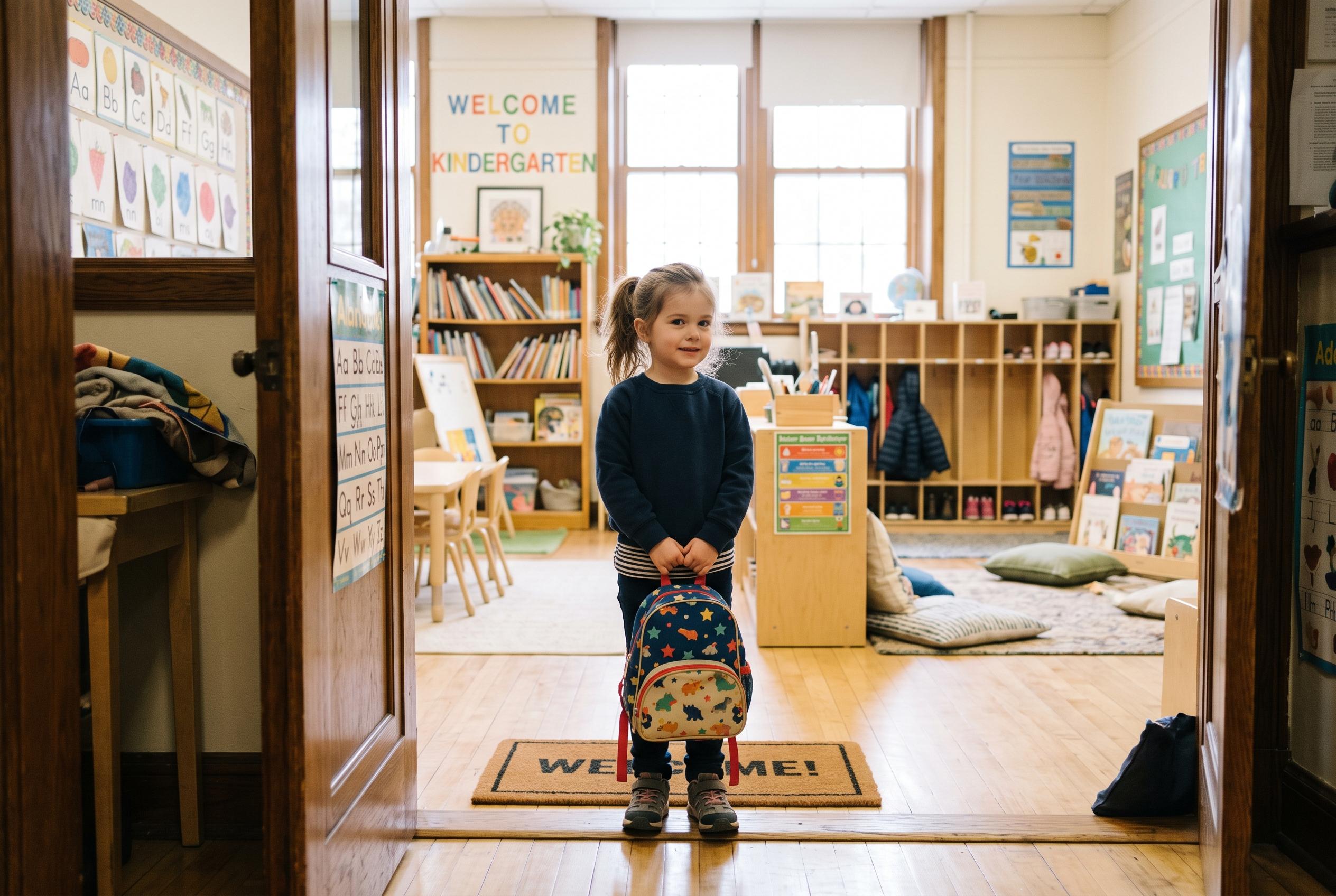

As children gear up to start school, experts emphasise the importance of early preparation, fostering independence, communication and routines to make the transition smoother and less daunting for young learners.
Starting school is one of the biggest changes in a young child’s early life. The shift from preschool to primary school can bring excitement, but it also introduces new routines, new people and a more structured day. Child-development experts say the most effective preparation begins well before the first bell, with gradual steps that make the new environment feel less daunting.
Readiness is about far more than recognising letters or counting to 10. Confidence, communication, independence and the ability to manage simple routines are often just as important once a child enters a classroom. Early years settings help build those skills through play, group interaction and age-appropriate activities, giving children a foundation that goes beyond academic learning.
Small practical tasks can make a big difference. Children who learn to put on shoes, open lunchboxes, wash their hands and look after their own belongings are often better prepared for the daily rhythm of school. Parents and carers can encourage this independence by giving children time to try things for themselves, rather than stepping in straight away. The goal is not flawless performance but familiarity and confidence.
Communication is another key part of the transition. According to UNICEF Parenting and GreatSchools, children benefit from practising how to ask for help, describe what they need and take part in conversations with other children and adults. Reading aloud, discussing stories and talking through everyday experiences can strengthen language skills, while pretend play and social activities help children become more comfortable joining groups and sharing attention.
Predictable routines also ease the change. Both PBS KIDS for Parents and Allina Health recommend establishing regular mornings, bedtimes and mealtimes before school starts, so the new schedule does not arrive all at once. Visiting the school in advance, seeing the classroom and playground, and practising the journey can also reduce uncertainty. Some family guides suggest role-playing the school day at home or arranging playdates with children who may be in the same class.
Emotional preparation matters just as much. Experts say children often mirror the attitudes of the adults around them, so calm, positive talk about school can help build anticipation. At the same time, parents should make room for nerves, questions and worries rather than brushing them aside. Books, conversations and a clear plan for goodbyes can all help. Teachers, too, can play a role by working with families to understand a child’s needs during the first weeks.
Adjustment does not happen at the same pace for every child. Some settle quickly, while others need time to grow comfortable with the new environment. Tiredness, clinginess or changes in behaviour are common during the early weeks. With steady routines, patience and reassurance, the move from preschool to school becomes less of a leap and more of a managed next step.
Disclaimer: This content is for informational purposes only and is not intended to be a substitute for professional medical judgment, advice, diagnosis, or treatment.