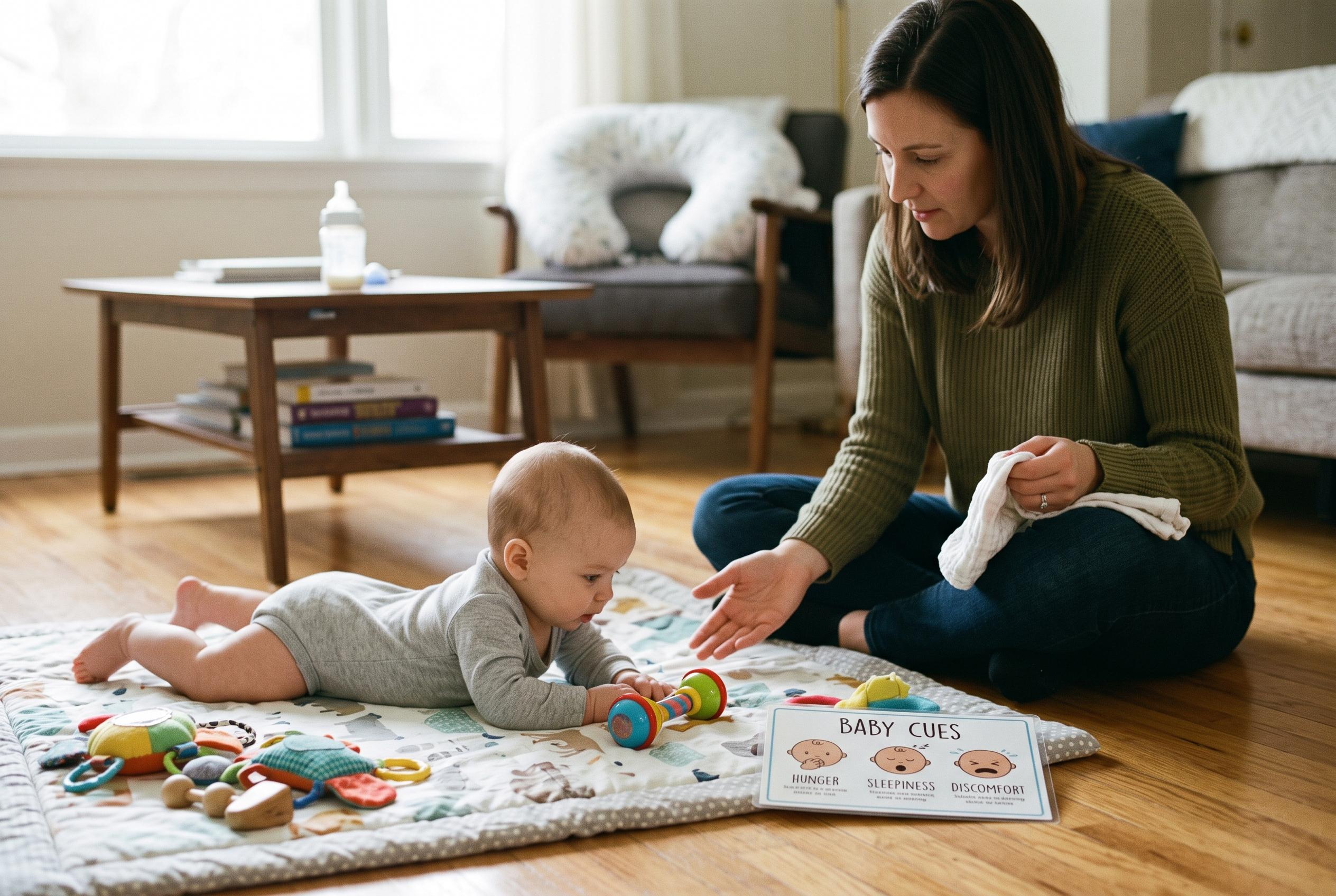

New parents often mistake strict routines and comparisons for progress, but experts emphasise responsive care and recognising the baby’s signals as key to healthy development in the first year.
The hardest mistake many new parents make in a baby’s first year is not a dramatic one. It is the quieter habit of managing the calendar, the apps and the advice before they manage the child in front of them. From milestone charts to feeding plans, the temptation is to measure progress against a timetable rather than the baby’s actual signals, even though most infants develop at their own pace, according to the supplied article and related guidance on common first-year parenting pitfalls.
That pressure often begins with comparison. Baby trackers, parent groups and milestone checklists can be useful, but only if they remain guides rather than verdicts. The trouble starts when parents begin treating another child’s progress as a benchmark for their own, a pattern ParentCircle and other parenting guides warn can quickly turn reassurance into anxiety. In the first year, the point is not to produce a perfectly timed performance but to notice whether a child is feeding, settling and growing in a way that suits that child.
The same problem appears in feeding and sleep routines. Structure can make life more manageable, but rigid schedules can also cause parents to miss what an infant is communicating in the moment. If a baby is hungry earlier than expected or overtired later than usual, that is still meaningful information. Several parenting guides, including Royal Baby Product’s overview of first-year mistakes, caution against overfeeding or underfeeding without paying attention to the baby’s actual cues.
Parents also often misunderstand overstimulation. A noisy room, a busy visit or a burst of activity is not automatically harmful, even if it may leave a baby upset in the moment. The key is balance. Babies need enough stimulation to support development, but not so much that they become overwhelmed. The point, as the lead article notes, is not to create a silent nursery but to read the child’s response and adjust accordingly.
Screens are another modern pressure point. What once would have been a passing distraction now often becomes a quick fix during feeding, winding down or long stretches of tiredness. That may feel harmless, but research cited in the supplied material suggests infant screen exposure can be linked to changes in brain network development and later outcomes. It is a reminder that the easiest soothing tool is not always the wisest one, especially when it begins to crowd out conversation, touch and direct interaction.
Parents are also urged to remember themselves. Sleep deprivation, poor nutrition and untreated low mood can erode patience and responsiveness, and the supplied material points out that postpartum depression affects a significant share of women worldwide. Healthier caregiving depends on the caregiver having enough support to remain present. Self-care in this context is not vanity or indulgence; it is part of the baby’s environment.
Anxiety is another common trap. New parents are often frightened by normal crying, shifting sleep patterns and unpredictable feeding. ParentCircle describes panicking over everything as one of the most common early mistakes, and that fear can lead to overreaction, second-guessing and unnecessary interventions. Crying is part of infancy. Learning to tell ordinary fussiness from a genuine problem is a skill, not a test of perfection.
The relationship between the adults matters too. A newborn can pull attention so completely towards the child that the partnership behind the scenes begins to fade. Several of the supplied pieces stress that couples who make space for each other tend to build a steadier home for the baby as well. A calm, cooperative relationship is not a luxury add-on to parenting. It is part of the foundation.
Under all of these mistakes lies the same corrective: responsive care. Harvard’s Center on the Developing Child says attentive relationships help build the foundations of brain development, and that point runs through much of the parenting advice in the supplied material. The first year is not about flawless execution. It is about noticing, responding and staying flexible enough to follow the baby rather than the checklist.
Disclaimer: This content is for informational purposes only and is not intended to be a substitute for professional medical judgment, advice, diagnosis, or treatment.