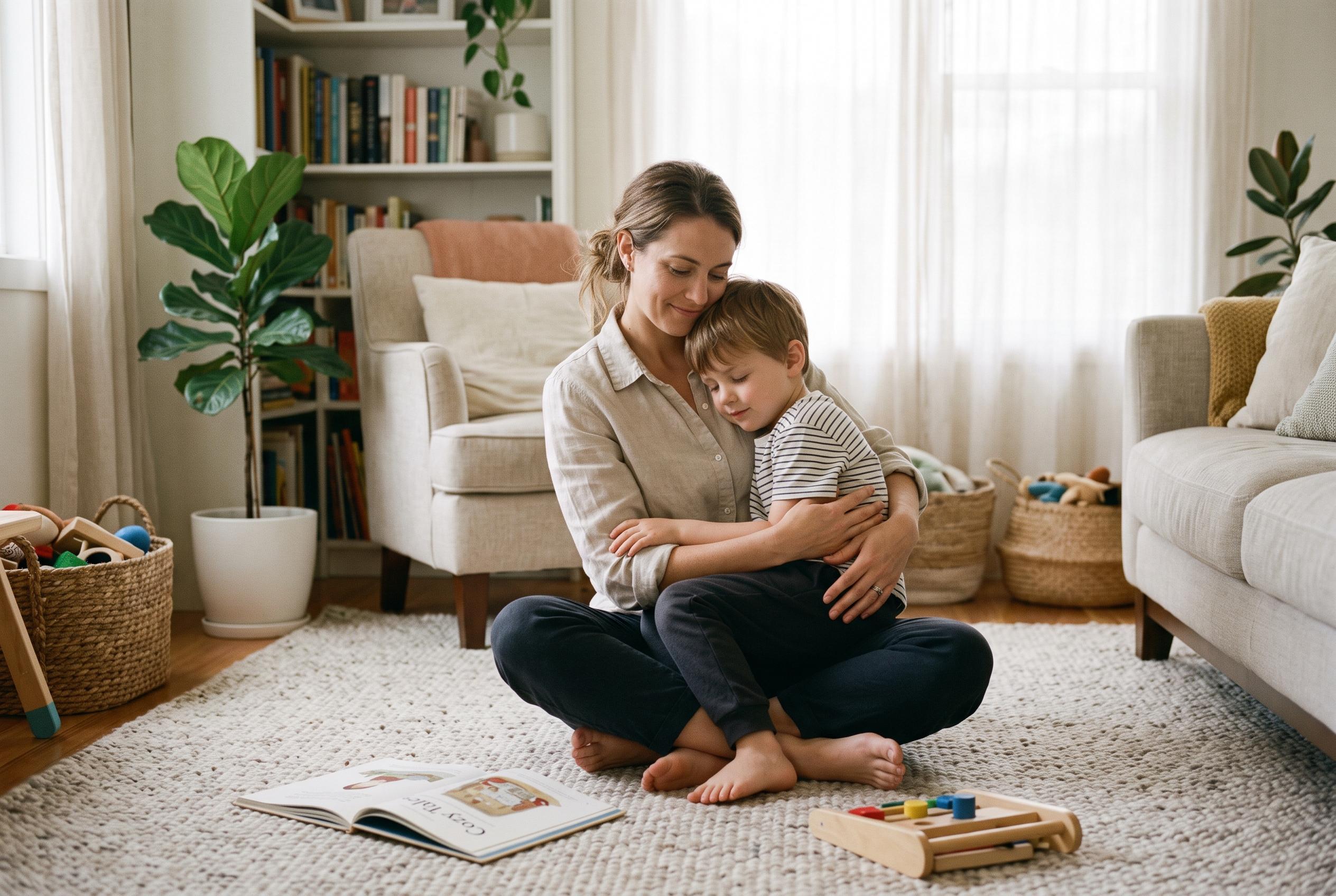

Dr Cassidy Freitas highlights how recognising early warning signs in the nervous system and addressing parental stress and trauma can help prevent impulsive reactions and foster calmer parenting practices.
Parents who find themselves snapping at a child and then instantly regretting it are often dealing with far more than a bad moment, according to Dr Cassidy Freitas, a licensed marriage and family therapist and author of “Mom Needs a Moment”. In a discussion highlighted by No Guilt Mom, Freitas says the reaction usually begins before words are even spoken, as the body moves through a rapid chain of signals: physical tension, racing thoughts, rising emotion and then behaviour. Her advice is that learning to spot that early warning “ping” can create a crucial pause before a full blow-up.
That pause matters because stress can narrow a parent’s ability to cope. Psychology Today recently reported that parental burnout can leave everyday demands feeling much heavier, especially when basic needs such as sleep, food and rest are neglected. The article says this can shrink what therapists call the “window of tolerance”, the range in which a person can stay regulated. Once that window tightens, even minor frustrations can feel overwhelming, and a parent may react in ways that seem out of proportion to the moment.
Freitas also points to another common source of overreaction: childhood experiences that were never fully processed. Psychology Today and FamilyEducation both note that unresolved trauma can surface during parenting, particularly when a child’s behaviour echoes old memories or when a child reaches the same age at which a parent once felt unsafe or hurt. Research indexed on PubMed has also found that parental adverse childhood experiences can affect parenting and increase the risk of difficulties for children, underlining the way stress and trauma can travel across generations.
Rather than urging parents to perfect every routine, Freitas encourages them to protect their margin , the spare capacity that makes calm responses more likely. That means making room for rest, reducing pressure and noticing triggers before they build. She also recommends using a simple phrase with children that creates space without shutting them out, helping parents respond more intentionally instead of reacting automatically. The broader message is that better parenting often starts not with tighter control, but with greater awareness of what is happening in the nervous system.
Disclaimer: This content is for informational purposes only and is not intended to be a substitute for professional medical judgment, advice, diagnosis, or treatment.