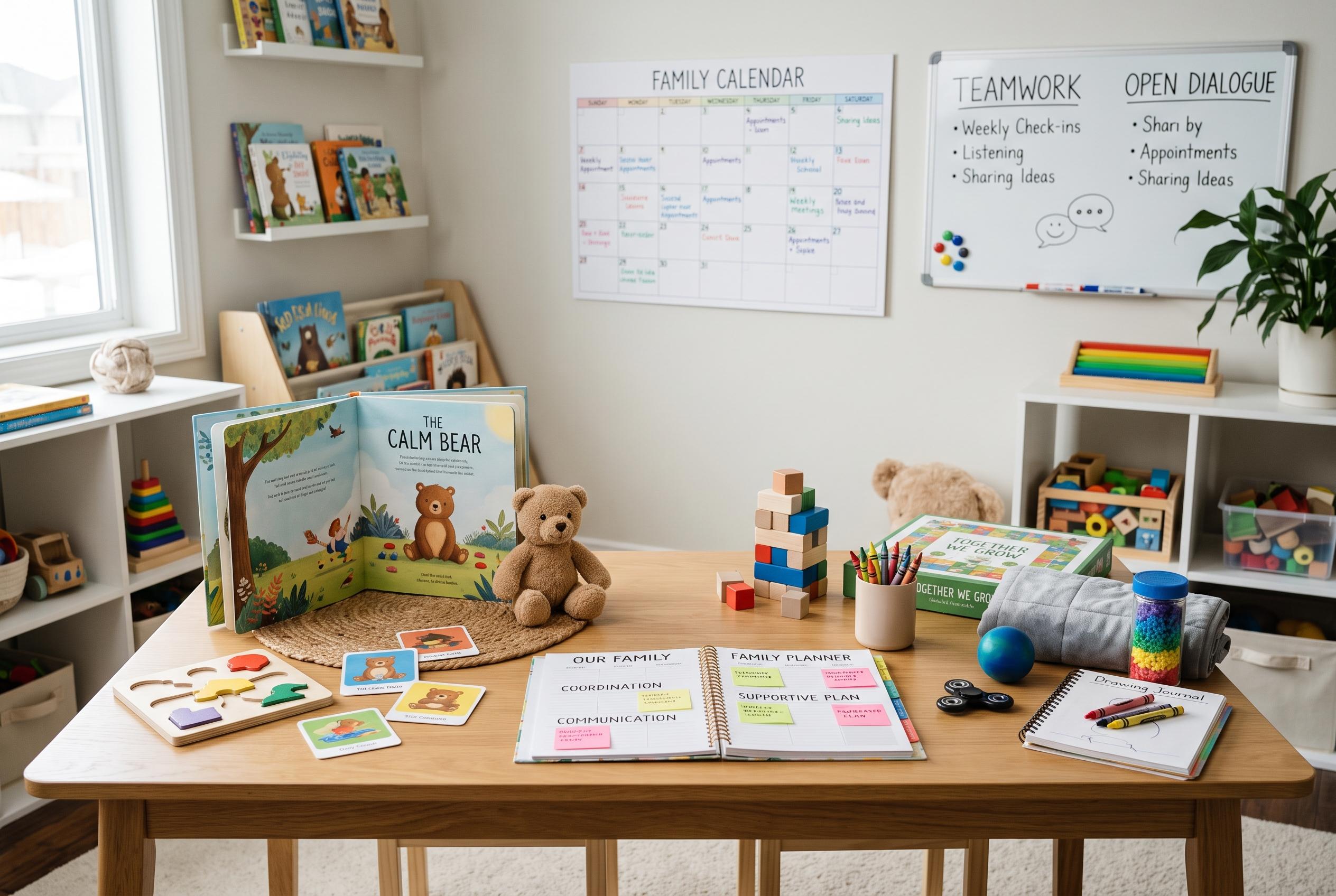

Paediatric specialist Adhi Teguh Perma Iskandar emphasises that open communication and coordination among family members are key to managing differing parenting styles and supporting children’s well-being.
Differences in parenting style between fathers and mothers do not have to become a source of conflict, provided the family keeps talking, according to paediatric specialist and neonatology consultant Adhi Teguh Perma Iskandar of RSIA Bunda Jakarta. Speaking at the Bunda Parenting Convention 2026 in Jakarta on Saturday, Adhi said the key was not uniformity but coordination among the adults closest to a child.
He said parents, grandparents, aunts, uncles and other trusted relatives should maintain open communication so that each person’s approach can complement the others rather than clash. A family may include a more permissive caregiver alongside someone who sets firmer limits, but those differences can work if the adults agree on the basic rules, boundaries and responses to a child’s needs.
That view is broadly consistent with guidance from the Pennsylvania Family Support Alliance, which says different parenting communication styles can shape a child’s development in distinct ways, from self-regulation to empathy and problem-solving. Its advice underlines the idea that children benefit most when adults create a secure, connected environment rather than compete over discipline.
Adhi also addressed the pressures facing single parents, saying childcare does not need to fall on one person alone. Grandparents, siblings and other trusted adults can form part of a child’s support network if they understand the child’s needs and communicate clearly with one another. The broader point, he said, is that children thrive when they are surrounded by safety, consistent attention and clear limits.
That emphasis on support mirrors the practical help available to single-parent households through government and community programmes. The U.S. Department of Health and Human Services points to assistance such as Temporary Assistance for Needy Families, childcare support and Head Start, while several advocacy groups focus on linking parents to local resources, peer support and financial guidance.
Disclaimer: This content is for informational purposes only and is not intended to be a substitute for professional medical judgment, advice, diagnosis, or treatment.