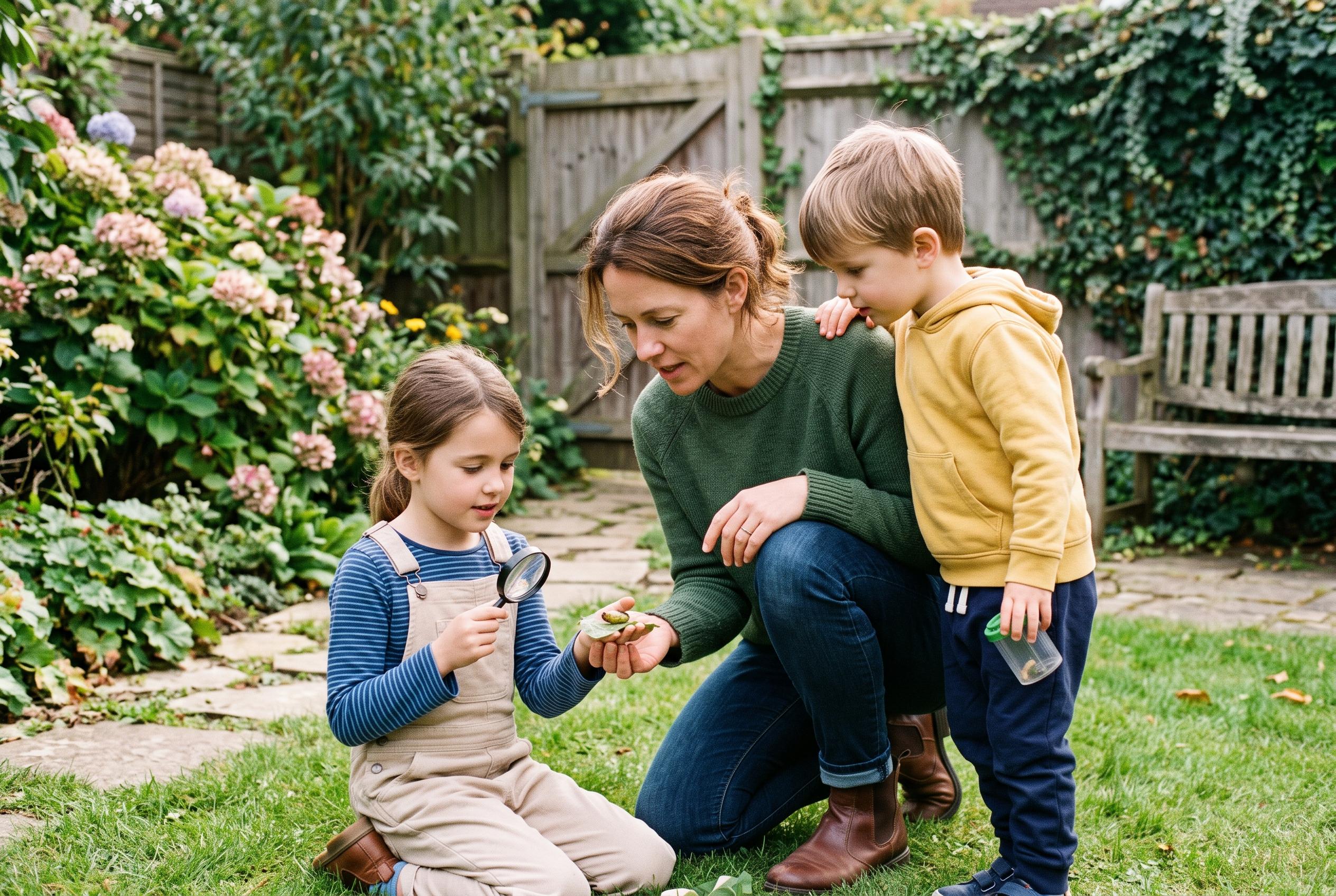

A mother’s customised approach to raising her children highlights the importance of tailored parenting and clear communication, especially when managing diverse needs and circumstances within a family.
A mother’s unequal treatment of her children is often mistaken for bias when it is actually attention. In families where one child is older, more independent or simply wired differently from a sibling, the fairest response is not always sameness. It is adjustment. That distinction matters most when love has to be translated into daily decisions about structure, patience and how much help to offer.
In this case, one child, Megan, is a self-directed teenager in senior high school, while Dylan needs special educational support that standard approaches do not meet. Their mother describes parenting them as two different disciplines, shaped by stage, temperament and need. On one day when both children came home distressed from school, she handled Dylan through a familiar routine of decompression and careful pacing, while giving Megan space, listening when she was ready and avoiding the urge to direct her emotions. The methods looked different because the children are different, not because the care was unequal.
That experience is consistent with research on parental differential treatment, which suggests that difference itself is not necessarily harmful. Studies in Family Relations and the journal Adolescence have found that what children object to most is not always being treated differently, but being unable to understand why. When parents explain the reasons for different treatment, siblings are less likely to read it as favouritism and more likely to see it as a response to genuine need. By contrast, unexplained differences can shape perceptions of unfairness and affect self-worth and sibling relationships.
Research on families raising children with complex care needs adds further context. Studies published in BMC Pediatrics and in the Journal of Intellectual and Developmental Disability describe the constant vigilance, emotional strain, social disruption and financial pressure that can accompany this kind of parenting. They also point to the value of tailored support, because families managing disability-related needs often have to build highly specific routines, communication strategies and support systems. In that setting, precision is not indulgence; it is part of survival.
The mother at the centre of this story says that is why she sees her role as one of ongoing observation rather than fixed rules. For Dylan, structure provides safety. For Megan, space signals trust. She says she had to learn not only how each child behaves when life gets hard, but also how each child needs love to be delivered in that moment. When Megan eventually asked why her brother seemed to receive more hands-on help, the answer was not that one child mattered more. It was that fairness in a real family often means meeting each child where they are, and then being clear enough about that difference for everyone to see it.
Disclaimer: This content is for informational purposes only and is not intended to be a substitute for professional medical judgment, advice, diagnosis, or treatment.