

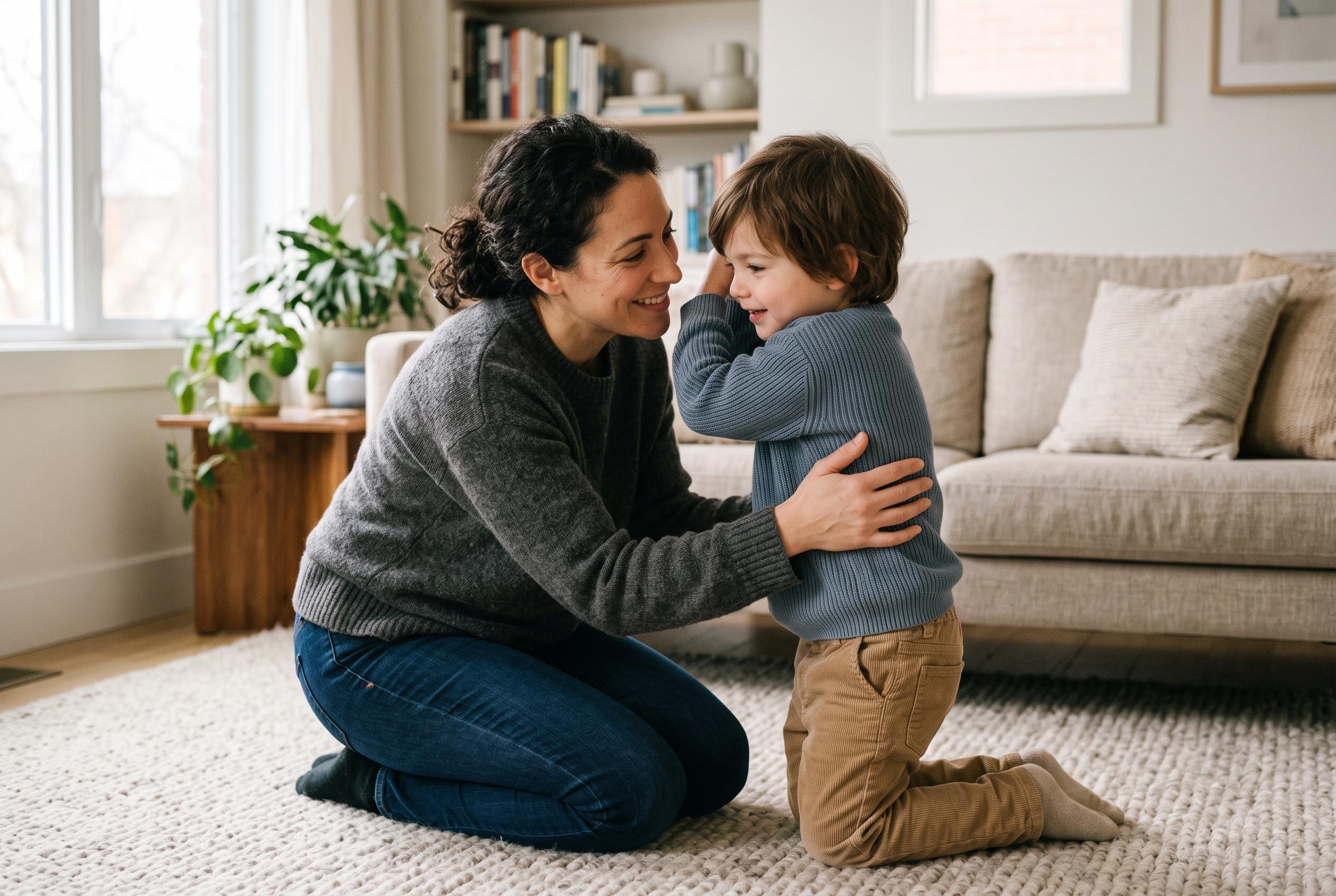

A global study reveals that children’s perceptions of the world are more influenced by parental warmth and acceptance than socioeconomic factors or neighbourhood safety, with significant implications for mental health and optimism in adulthood.
Children absorb more than rules and routines from home; they also take in a picture of what the world is like. A long-running study led by Jennifer Lansford suggests that this picture is shaped less by poverty, neighbourhood danger or harsh discipline than by one factor that many families can offer: warmth. The research, published in Child Development, followed 1,215 children and parents in eight countries and found that young people who felt more loved and accepted were more likely, as adults, to see the world as good, safe and enticing.
That matters because these worldviews are not trivial. Lansford’s article notes that adults’ primal world beliefs are linked to mental health, optimism, life satisfaction and depression. The study tracked families in Colombia, Italy, Jordan, Kenya, the Philippines, Sweden, Thailand and the United States over 13 years, with interviews conducted each year in the local language. It found that parental warmth stood out even after accounting for household income, neighbourhood danger, harsh parenting and psychological control.
The findings were more surprising for what they did not show. Children growing up in more difficult surroundings did not necessarily become adults who viewed the world as dangerous or barren. In the study, neighbourhood danger, family socioeconomic status, harsh parenting and psychological control were not significantly tied to the adult beliefs measured later. The only other childhood experience linked to a later world belief was autonomy granting, with young people who had more freedom in childhood tending to see the world as more enticing.
There is a broader lesson here for caregivers. A separate report from Duke University said the work points to the importance of emotional support, while past research from UCLA Health has also linked early maternal warmth to later perceptions of social safety. Pew Research Center has similarly found that parents strongly shape children’s beliefs, values and identity in areas such as religion and politics. Taken together, the evidence suggests that while parents cannot control every hardship a child faces, they can still give them something powerful: a secure relationship that helps them make sense of the world in a more hopeful way.
Disclaimer: This content is for informational purposes only and is not intended to be a substitute for professional medical judgment, advice, diagnosis, or treatment.



