

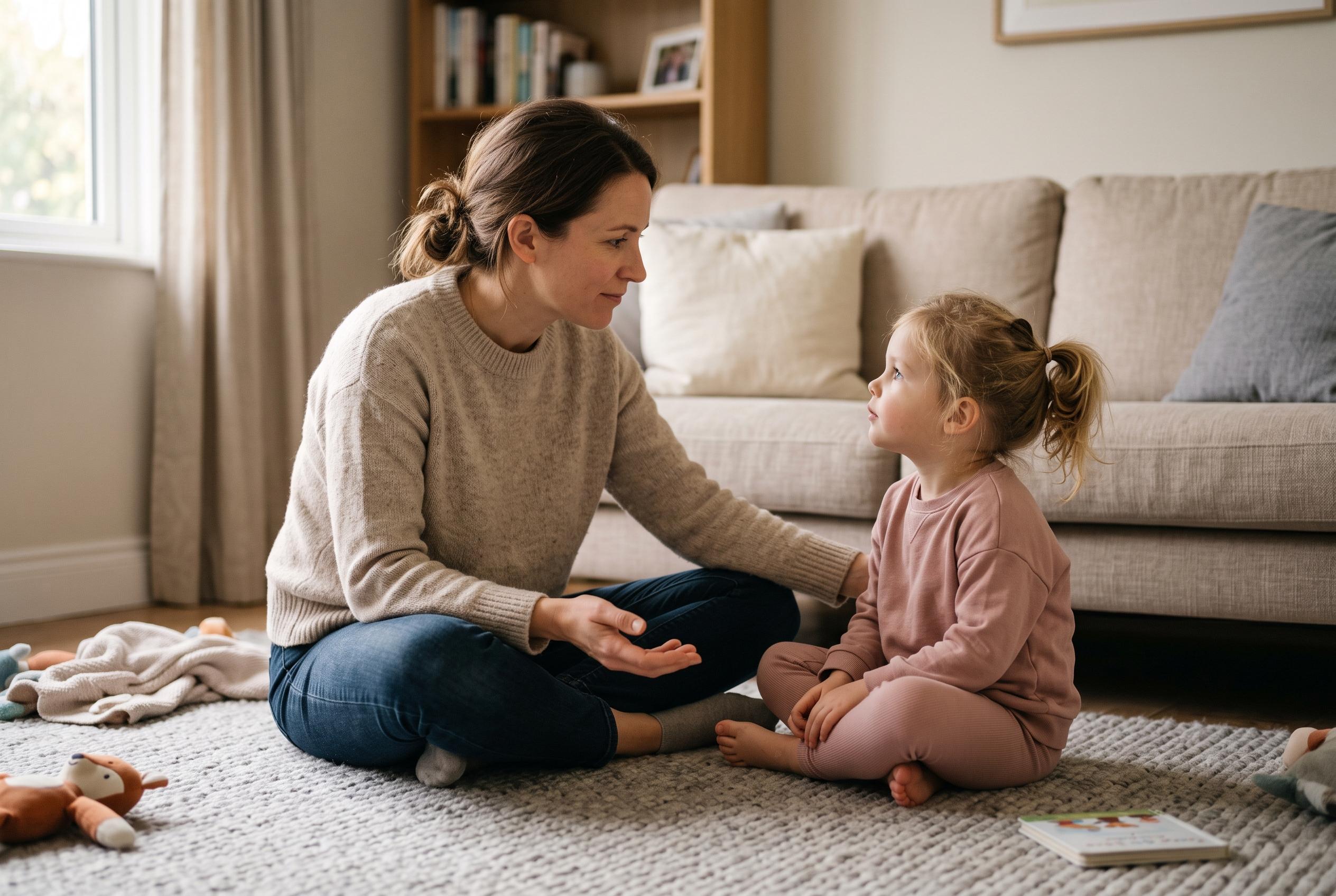

Expert advice highlights how recognising whining as a communication issue and applying consistent, calm responses can teach children more effective ways to express their needs, reducing frustration for parents.
Whining is one of those everyday behaviours that can wear down even the most patient parent, especially at the end of a long day. But child-development experts say it is usually less a sign of defiance than a clumsy attempt to communicate frustration, hunger, tiredness or a wish to be noticed. Healthline notes that in babies, whining often points to basic needs such as sleep, food, discomfort or overstimulation, while older children may use it because they have not yet mastered a calmer way to ask.
The main trap for parents is that whining often works. WebMD and Nationwide Children’s both say children quickly learn that a whiny tone can sometimes delay a chore, draw attention or even produce the desired answer. That means repeated explanations, arguments and occasional give-ins can unintentionally strengthen the habit.
A more effective response is to stop rewarding the whine and wait for a regular voice. Parenting experts quoted by Parenting.org advise keeping the message simple: the child can be heard once the tone is calm. The key is consistency. If a parent responds only after the whining ends, the child starts to see that respectful communication gets the result, not the complaint itself.
It also helps to teach the words children should use instead. Rather than simply telling them what not to do, parents can model phrases such as “Can I please have a turn?”, “I’m disappointed” or “Can you help me?”. Nationwide Children’s says this matters because whining is often a language problem as much as a behaviour problem. The more children can name feelings and requests, the less they need to fall back on a sing-song protest.
Timing and triggers matter too. Healthline recommends checking for hunger, exhaustion, pain, boredom or the need for comfort, especially in younger children. Psychology Today says older children may also whine when they are overwhelmed or deeply wanting something. In practice, that means parents can often head off a spiral by spotting patterns, preparing for difficult moments and offering redirection before the whining starts.
Just as important is what parents say when children communicate well. Praise for a calm request, a respectful tone or patient waiting can do more than a lecture ever will. Experts at Parenting.org and WebMD both stress that children repeat behaviours that receive attention. The aim is not to raise children who never complain, but to help them learn that clear, polite communication is far more effective than whining.
Disclaimer: This content is for informational purposes only and is not intended to be a substitute for professional medical judgment, advice, diagnosis, or treatment.



