

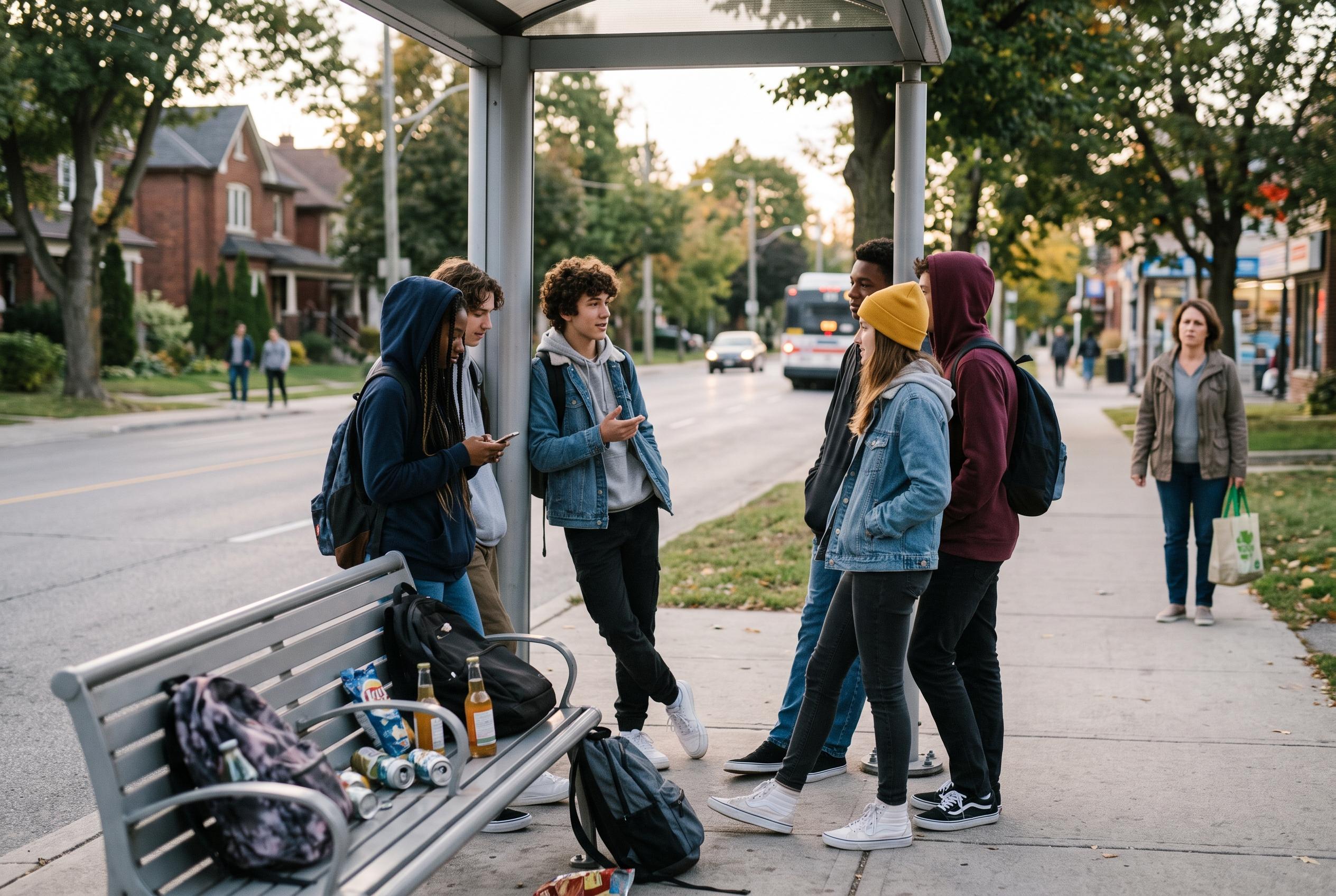

A comprehensive review of 55 studies across six regions shows that while adolescent alcohol consumption generally declined during COVID-19 restrictions, the trend was highly inconsistent worldwide, exposing complex regional and social dynamics.
A new global review suggests that the pandemic’s disruption of teenage social life did reduce underage drinking in many places, but the pattern was far from uniform. Researchers analysing 55 studies from across six world regions found that alcohol use among adolescents generally fell during the early COVID-19 period, yet the decline was uneven and, in some settings, reversed altogether as restrictions eased and social routines returned.
The study, published in the International Journal of Mental Health and Addiction, was led by Sonia Cerrai of Italy’s National Research Council. The team took an unusually broad approach, combining an umbrella review of earlier syntheses with a fresh systematic search of major medical databases. After screening hundreds of papers and removing overlapping data, the researchers narrowed the evidence base to 55 studies published between 2020 and 2025. The studies came from North America, Europe, Asia, South America, Oceania and Africa, although most were from North America and Europe.
The researchers found that the overall drop in alcohol use was statistically significant, but the picture was highly fragmented. Some regions showed little clear change, while one study from Australia reported an increase in adolescent drinking. Binge drinking followed a similar pattern: the overall trend pointed down or remained flat, yet North America showed a decline, Europe showed an increase and Australia again stood out with a rise. The authors said later pandemic phases appeared to hint at a modest rebound, suggesting the early drop may not have lasted as restrictions were lifted.
Part of the explanation is straightforward. Lockdowns shut down the settings where teenage drinking often begins or escalates, such as parties, unsupervised gatherings and nightlife spaces. Greater parental oversight at home may also have limited access. But the review also points to reasons the trend was not universal. Alcohol remained widely available in many countries, online sales and delivery expanded in some markets, and parental vigilance did not always increase. In Australia, the findings fit broader data showing higher off-premise alcohol sales during the pandemic and more alcohol-related hospital admissions from mid-2020.
The review also highlights a more complicated reality beneath the averages. Some adolescents cut back sharply during the pandemic, while others increased their drinking or started using alcohol for the first time. One Dutch study found almost equal proportions of teens reducing and increasing their drinking, effectively cancelling each other out in the aggregate. In Croatia, the fall in overall use was driven largely by occasional drinkers who lost access to social settings. Studies from the United States linked poor mental health to higher substance use, while stronger family monitoring and supportive home environments were associated with lower heavy drinking.
The authors also documented some of the darker consequences of the pandemic era. In Iran, misinformation that alcohol could prevent COVID-19 infection contributed to methanol poisoning cases affecting children and adolescents. In Uganda, overall prevalence fell during lockdown, but those who continued to drink often did so more frequently and in larger amounts. The review also noted that South Africa’s alcohol bans were associated with lower alcohol-related harm during certain lockdown periods, although their longer-term effect on teenage drinking remains unclear.
Cerrai’s team cautioned that the evidence has important limits. Drinking was usually self-reported, binge-drinking definitions varied and alcohol policies differed sharply from one country to another. Some studies may also have included 18-year-olds, blurring the adolescent focus. Even so, the researchers said the broad finding is clear: the pandemic interrupted teenage alcohol use, but not in the same way everywhere. Their conclusion points to a need for targeted, locally informed prevention strategies rather than a single global approach.
Disclaimer: This content is for informational purposes only and is not intended to be a substitute for professional medical judgment, advice, diagnosis, or treatment.



