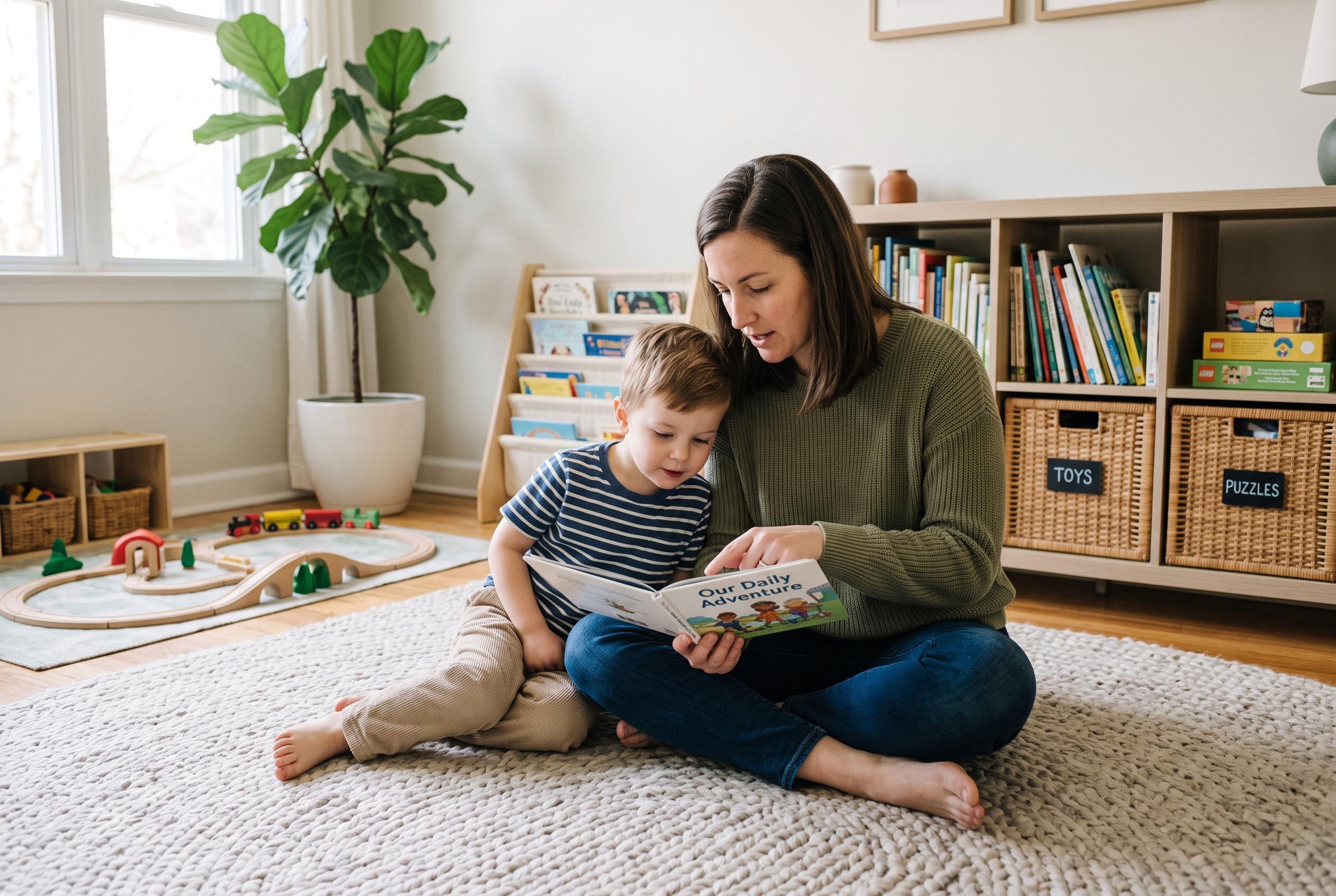

NitkaParenting, a respectful approach centred on consistency, routine, and empathy, offers practical guidance for calming daily family life and building stronger parent-child relationships, echoing the gentle parenting movement with a focus on dignity and steady practice.
NitkaParenting, a parenting approach outlined by notinthekitchenanymore, puts respect, routine and small daily habits at the centre of family life. Rather than promising a quick fix, it frames parenting as a matter of steady practice: set limits, explain them calmly, and aim for progress rather than perfection. That emphasis on dignity and consistency echoes the wider gentle parenting movement, which Healthline and Pampers describe as empathy-led and boundary-based rather than punitive.
At the heart of the approach is the idea that children learn best when adults stay predictable. The guide encourages parents to use short scripts, calm language and logical consequences instead of threats or shaming. It also places value on repair after mistakes, with adults expected to apologise when needed so children learn that relationships can recover. That focus on emotional coaching and cooperation is closely aligned with other respectful parenting advice, including TeachToddler’s comparison of gentle and respectful parenting styles.
The practical advice is deliberately modest. The site recommends tackling one habit at a time and keeping routines simple enough to repeat every day. Children’s Health says regular routines help children feel secure by making the day more predictable, while Project Play Therapy advises starting with a single routine, such as bedtime or the morning rush, and building from there. Visual schedules, simple checklists and short prompts can help younger children understand what comes next.
Meals, sleep and screen time receive particular attention. The guide suggests fixed eating windows, two acceptable choices and a calmer table atmosphere to cut down on conflict. For bedtime, it recommends a consistent lights-out time, a brief wind-down and turning devices off 30 minutes beforehand. That approach is consistent with broader child-health guidance that links routine, sleep and structure with better behaviour and wellbeing. The same logic applies to chores and mornings: break tasks into one step, offer limited choices and use a timer rather than repeated reminders.
The advice is also pragmatic about setbacks. For tantrums, it recommends a brief pause, a short limit on talking and a clear return plan. For resistance, it suggests shrinking the task and giving immediate feedback. Parents are encouraged to track one behaviour for two weeks, change only one variable at a time and seek outside support when problems affect learning or safety. In that sense, NitkaParenting presents itself less as a rigid method than as a workable framework for families that want fewer battles and more routine.
Disclaimer: This content is for informational purposes only and is not intended to be a substitute for professional medical judgment, advice, diagnosis, or treatment.