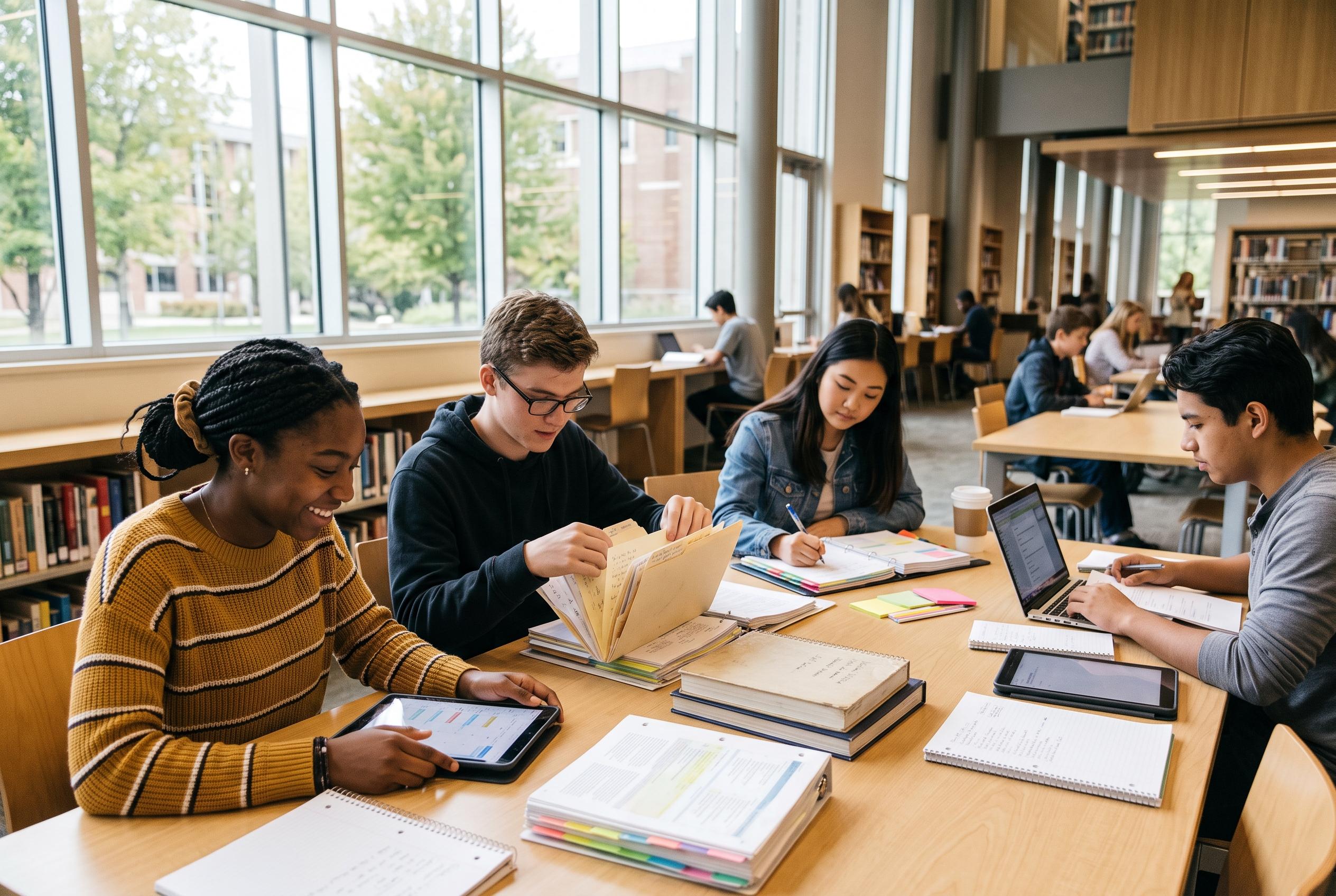

A fresh wave of digital tools and habit-building strategies are transforming student organisation, reducing the burden of managing paper and digital clutter and boosting confidence and academic success.
Parents often mistake a cluttered backpack or a messy laptop for laziness, but the real issue is usually a missing system. The guide from Staying Ahead of the Game argues that organisation is not a personality trait; it is a set of habits that can be taught, practised and maintained. That point is echoed by educational resources such as Organized Binder, which focuses on routines and executive function skills, and by newer coaching tools that aim to help students break work into manageable steps.
The need for those systems is greater now than it was a decade ago. Students are expected to keep track of paper handouts, digital portals, cloud folders and submission links, often for the same assignment. That means one missed handoff can cost marks even when the work itself is complete. The result is a steady drain on attention and confidence, especially for pupils who already struggle with planning, follow-through or time management.
The most useful approach is to identify the pattern, not just the mess. Some students stuff papers into backpacks and lose them there; others keep a clean bag but a chaotic device; some complete work and forget to submit it; others rebuild their system after every setback and then lose it again. Once the pattern is clear, the fix can be matched to it: one home for paper, one digital mirror for files, a launch pad for mornings and a weekly reset to keep everything from slipping.
Several newer products reflect the same logic. Venvity is built around repeated resets and long-range planning, while Sconce, Stelo, Acuity and Kirole all use some form of automation, coaching or focus support to reduce the effort of staying organised. Their appeal is simple: if a student does not have to remember everything at once, they are more likely to keep up. The best systems do not depend on motivation in the moment; they make the right action easier to repeat.
For parents, the practical lesson is to stop trying to organise the child and start building a structure the child can run. That means a fixed place for school items, a weekly clean-out, a digital filing routine and a simple check that assignments were actually submitted. The goal is not a perfect desk or a pristine folder. It is a student who can find what they need, turn work in on time and spend more energy learning than searching.
Disclaimer: This content is for informational purposes only and is not intended to be a substitute for professional medical judgment, advice, diagnosis, or treatment.