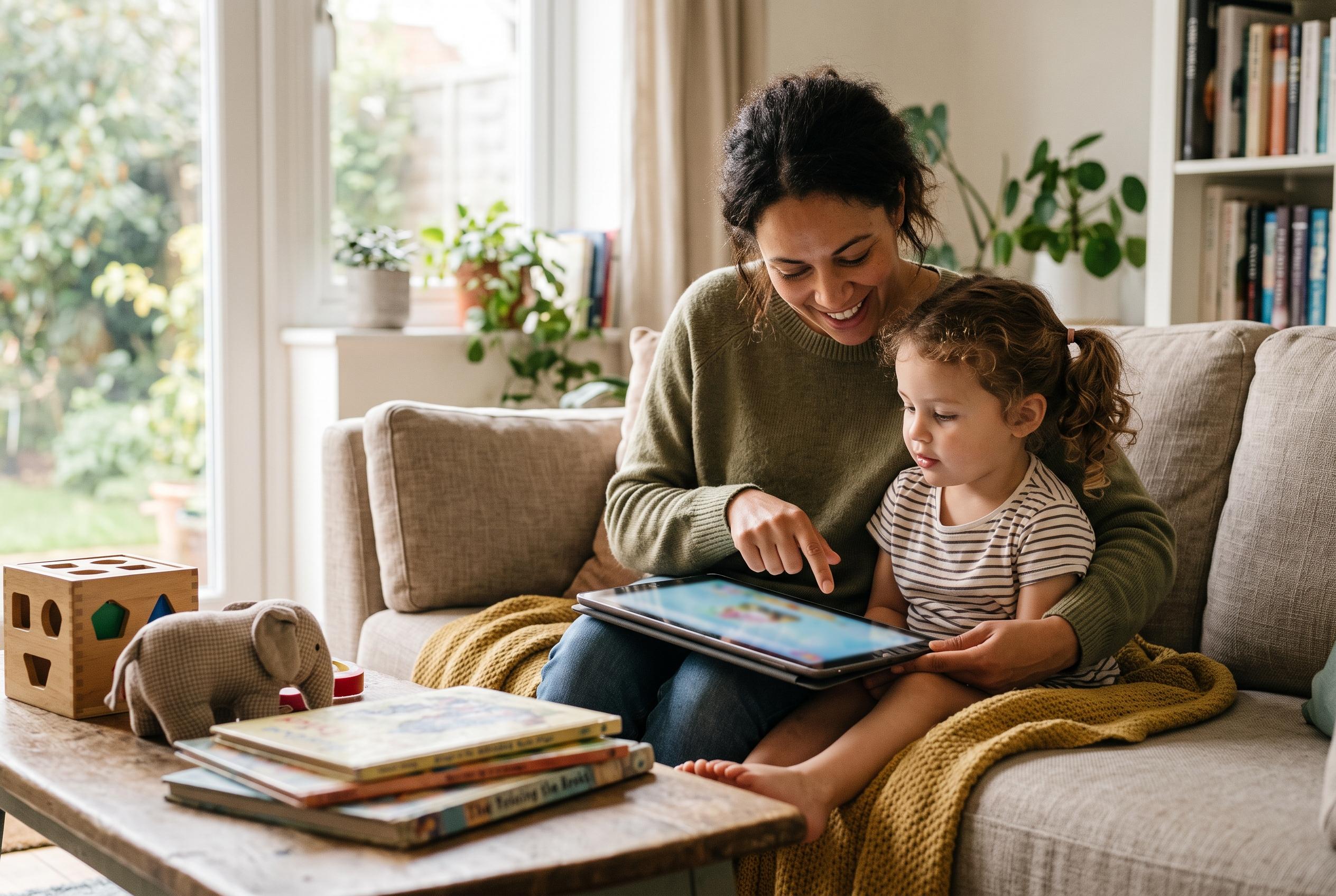

Experts recommend practical routines and careful content choices to help parents foster healthy screen habits in preschool children, emphasising shared viewing and alternative calming activities.
For parents of preschoolers, healthy screen habits are less about banning devices than about using them with care. The American Academy of Pediatrics says children aged two to five should have no more than an hour a day of high-quality programming, and it stresses that what matters most is not just time, but content, context and whether media crowds out sleep, play and family life. That approach is echoed by Rady Children’s Health and the AAP’s own guidance on preschool screen risks, both of which warn that even age-appropriate viewing can displace movement, rest and social interaction.
A practical first step is to make screen use predictable. Rather than handing over a phone every time a child is restless or waiting, families are better served by setting a few regular windows, such as a short programme after lunch or a brief session while dinner is being prepared. The AAP advises co-viewing and consistent routines, while Australian guidance from Raising Children Network recommends keeping screens out of the background so they do not compete with play or conversation.
Choosing the content matters just as much as setting the clock. Open-ended feeds and autoplay features can quickly lead children from one clip to another without much benefit, while selected programmes, songs or games are easier to supervise and more likely to support learning. The AAP has pointed to child-focused offerings such as PBS KIDS and Sesame Workshop as stronger starting points, and Rady Children’s Health also advises parents to favour age-appropriate media that reinforces learning and creativity.
Watching together can turn passive viewing into a shared experience. A parent who names an object, reacts to a character’s feelings or connects the programme to a real-life moment helps a child make sense of what appears on the screen. That kind of interaction is especially important for younger children, and it works best when adults keep the tone conversational rather than turning the session into a quiz. When the screen comes off, one simple follow-up, such as acting out a song or drawing a character, can help carry the idea into the real world.
Families also need ways to calm and reset without reaching for a device every time. The AAP says screens should not become the default answer to boredom, frustration or waiting, and it recommends protecting meals and the hour before bedtime from screen use. Alternatives such as a familiar song, a quiet corner, movement, water or a cuddle may take more patience at first, but they help children learn that comfort does not always come from a tablet. For most homes, the goal is not perfect discipline, but a routine that leaves room for sleep, outdoor play, conversation and ordinary childhood.
Disclaimer: This content is for informational purposes only and is not intended to be a substitute for professional medical judgment, advice, diagnosis, or treatment.