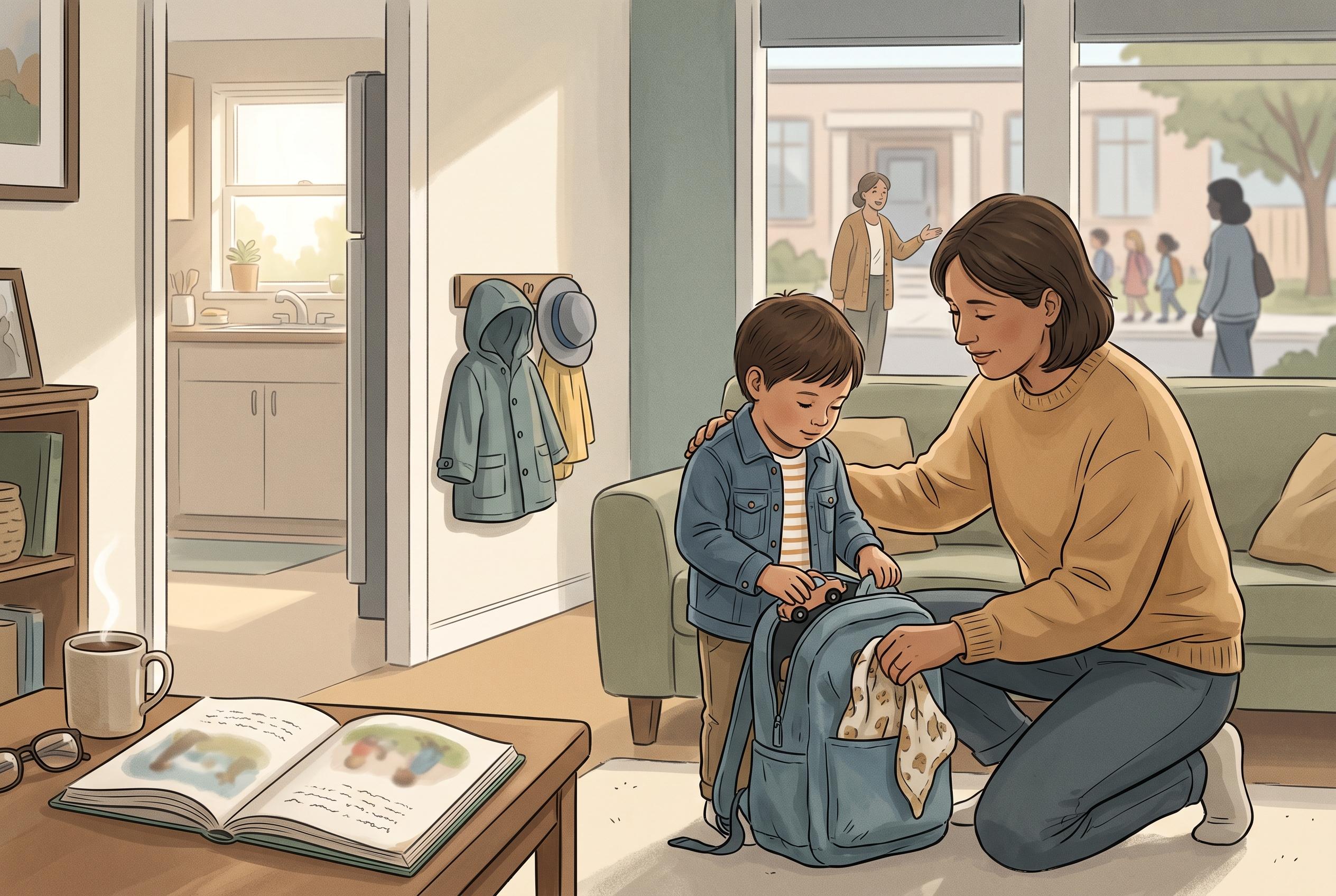

Research at Northeastern University introduces a retrospective scale revealing that consistent, supportive childhood environments , from teachers to strangers , significantly influence adult mental health, resilience, and well-being, even amidst adversity.
A new study suggests that the small, steady comforts of childhood may matter as much as the hardships. Researchers at Northeastern University have developed a retrospective scale that measures positive early life experiences across three areas: predictability, opportunity and safety. Their findings, published in Assessment, indicate that these experiences are linked to lower anxiety and depression, and to greater resilience in adulthood, even when childhood adversity is taken into account.
Kelsie Lopez, a postdoctoral researcher, said the work grew out of a gap in the literature: most neurodevelopment research has focused on stress, instability and deprivation, rather than on the experiences that help children thrive. Working with Laurel Gabard-Durnam and colleagues from Bryn Mawr College, Lopez helped create the POS-DEV Retrospective Scale, which asks adults to recall whether their childhoods included dependable care, chances to build close relationships and a sense of physical and emotional security.
The study drew on responses from about 1,200 adults aged 18 to 65 from varied socioeconomic backgrounds. Participants also completed measures of adverse childhood experiences and current mental health. The researchers found that positive and negative experiences each carried independent weight: higher positive experience scores were associated with better adult mental health, while greater adversity was linked to worse outcomes. According to the journal article, the scale showed strong reliability and validity, suggesting it could be useful in future research on childhood environments.
The findings fit with a wider body of work on positive childhood experiences. Earlier studies have tied supportive relationships, safe neighbourhoods and positive school climates to better adult health, and public health groups have argued that these experiences can buffer the effects of trauma. The Northeastern team also found that the adults who mattered most in childhood were not limited to parents or guardians. Grandparents, teachers, coaches, aunts, uncles and spiritual leaders all featured, alongside less expected figures such as a school bus driver and a stranger at a biker bar.
Disclaimer: This content is for informational purposes only and is not intended to be a substitute for professional medical judgment, advice, diagnosis, or treatment.