

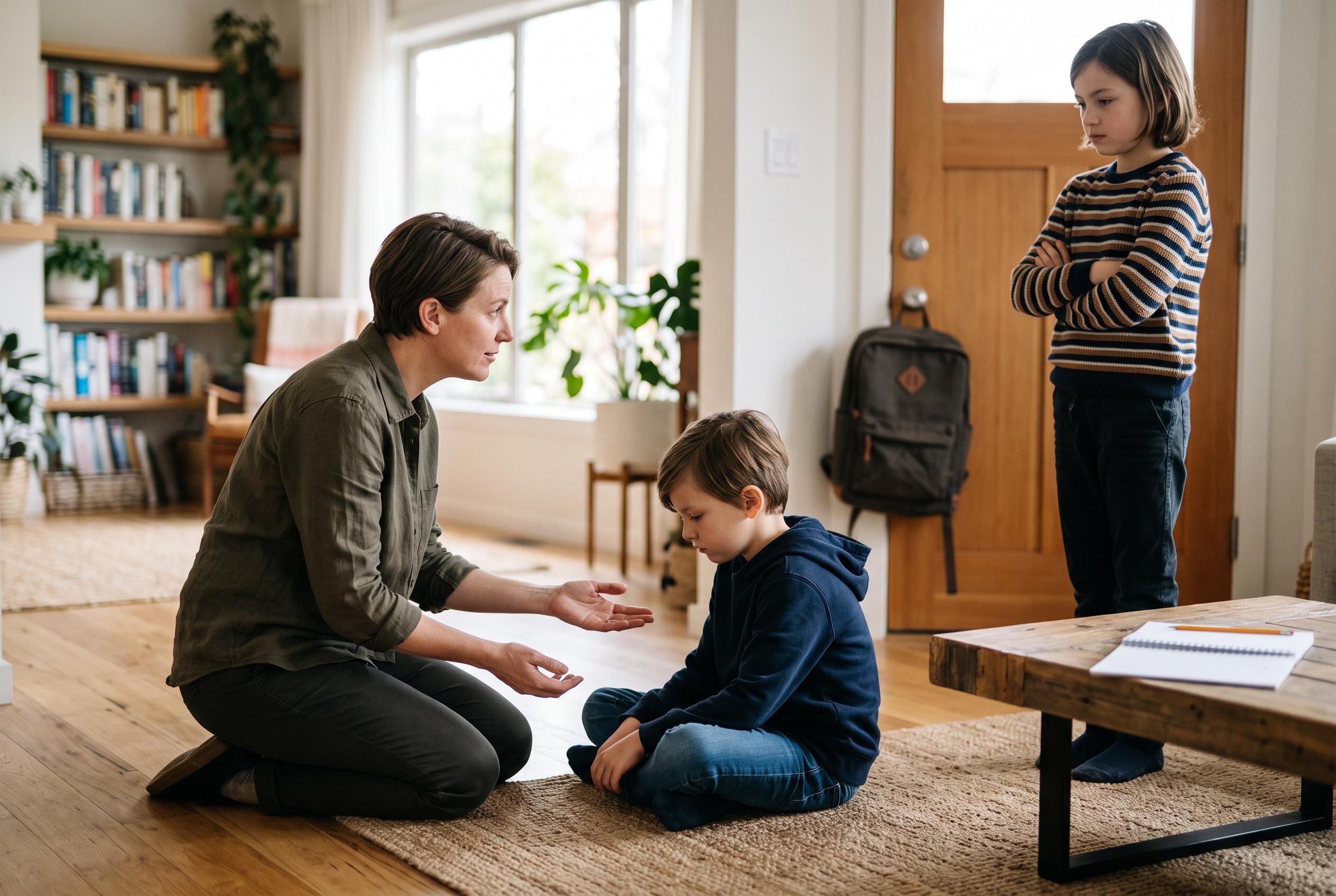

A study by the University of Kansas highlights the importance of addressing sibling aggression early, revealing its potential to influence children’s behaviour beyond the home environment, including risks of depression, anxiety, and delinquency.
A new study is urging parents to treat conflict between brothers and sisters as more than ordinary bickering, warning that aggression in the home can shape children’s behaviour well beyond the family setting.
The research, led by Paula Fite, a clinical child psychology professor at the University of Kansas, examined data from 290 primary-school children who had siblings. Published in the Journal of Psychopathology and Behavioural Assessment, the study found that around one in six children said they had used or threatened physical force to get the upper hand over a sibling, while about one in eight said they had bullied or threatened a brother or sister to get something they wanted.
Fite said sibling aggression has often been overlooked because families tend to regard it as a normal part of growing up. That assumption, she argued, can leave harmful behaviour unchecked. The study distinguishes between proactive aggression, which is deliberate and unprovoked, and reactive aggression, which follows provocation and is carried out in retaliation. The research suggests both forms matter, but they may be linked to different risks later on.
According to Fite, children who show reactive aggression are more likely to feel upset afterwards and may be more prone to depression and anxiety. Proactive aggression, by contrast, is more closely associated with delinquency, substance misuse and risk-taking. The researchers also found that sibling aggression of both kinds was linked to later aggression with peers six months on, reinforcing the idea that patterns learned at home can spill into school and friendship groups.
The study adds to a broader body of research showing that aggression is best understood through more than one lens. Separate work on youth aggression has found that reports from parents, teachers and children themselves can differ meaningfully, underlining the importance of using multiple viewpoints when assessing behaviour. For families, the practical message from the Kansas team is straightforward: repeated insults, threats and physical intimidation between siblings should not be dismissed, and parents may need to step in early rather than assuming children will sort it out on their own.
Disclaimer: This content is for informational purposes only and is not intended to be a substitute for professional medical judgment, advice, diagnosis, or treatment.



