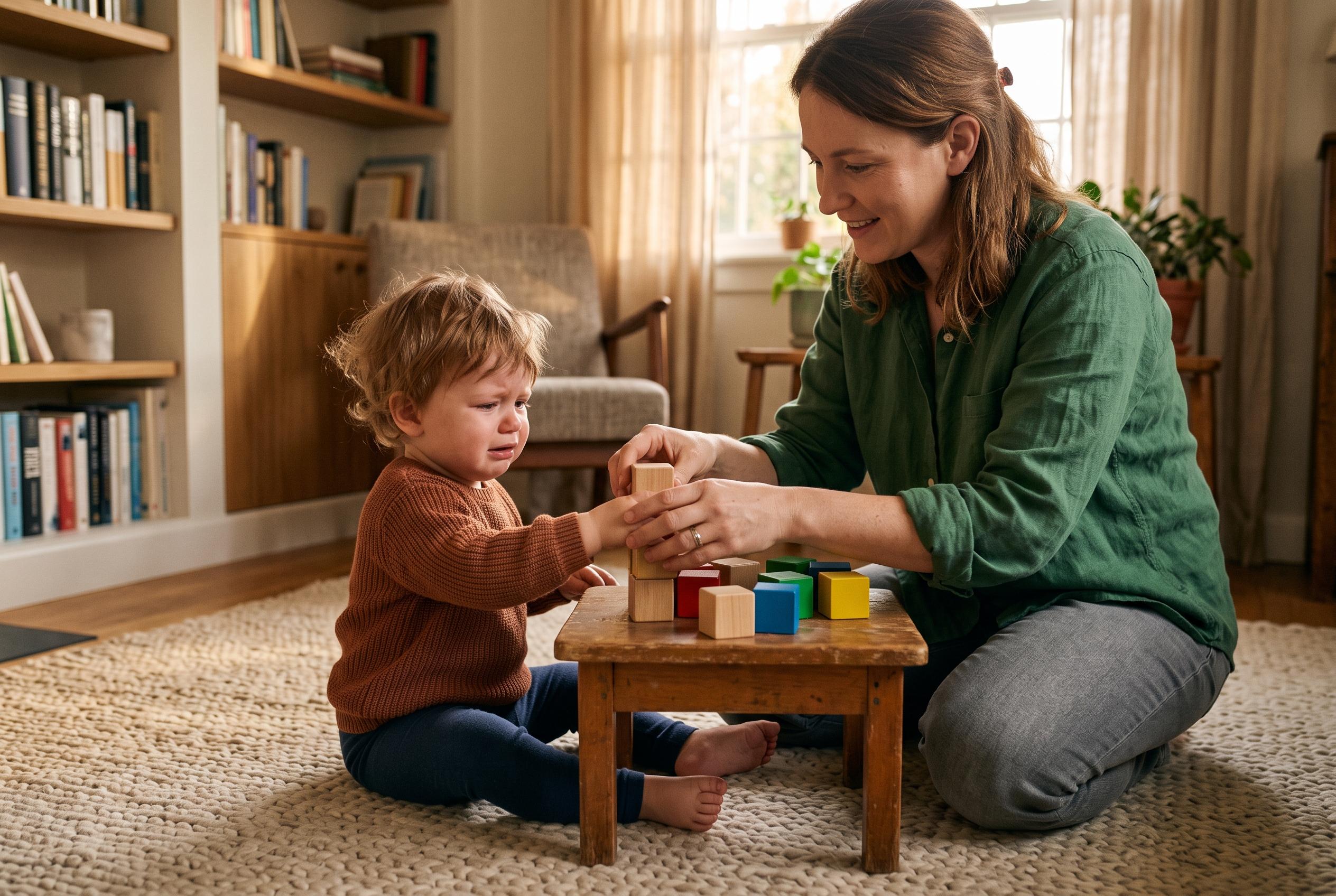

Emerging studies highlight the long-term risks of using screens to soothe toddler tantrums, urging parents to embrace emotional naming and physical diversion instead.
Toddler tantrums are one of the few parts of early childhood that can leave even the calmest parent feeling outmanoeuvred. The basic advice from paediatric experts is consistent: stay composed, do not give in in the heat of the moment, and make the boundary clear once the child has settled. Cleveland Clinic, the Mayo Clinic and Johns Hopkins Medicine all say tantrums are a normal stage of development, especially when children are tired, hungry or frustrated.
What the newer research adds is a warning about screens. A study following 269 toddlers found that 93% had, at least sometimes, shown upset or resistance when media time ended. It also found that when parents repeatedly used screens to soothe difficult feelings, children were more likely to have bigger reactions and more problematic media habits later on. In other words, a tablet may buy quiet quickly, but it can also teach a child that meltdown is the path to relief.
A better long-term approach is to name the feeling, not just police the behaviour. Saying, “you’re really frustrated because it is time to leave the park”, helps children build the language they need to understand what is happening inside them. Johns Hopkins Medicine and the Mayo Clinic both recommend calm, consistent limits, along with praise for good behaviour once the storm has passed. The aim is not to win a shouting match; it is to teach regulation.
Physical diversion can help too. A favourite toy, a brief change of scene or simple movement often works better than a screen because it gives the child something active to do while the emotion ebbs. The key distinction, as the research suggests, is between occasional convenience and making screens the default fix for every difficult moment. Occasional use is unlikely to define a child’s behaviour; dependence on it may.
There is also a language piece that parents should not ignore. Research tracking toddlers over time has linked smaller vocabularies with more frequent, harder-to-settle tantrums, which makes sense when a child can feel intensely but cannot yet explain why. Most tantrums do not signal a problem, but extremely long episodes, self-harm or behaviour that continues well beyond the toddler years merit a conversation with a health visitor or GP. Johns Hopkins Medicine recommends jotting down the triggers, length and frequency for a couple of weeks if concern grows, because a simple pattern note can be far more useful than memory alone.
Disclaimer: This content is for informational purposes only and is not intended to be a substitute for professional medical judgment, advice, diagnosis, or treatment.