

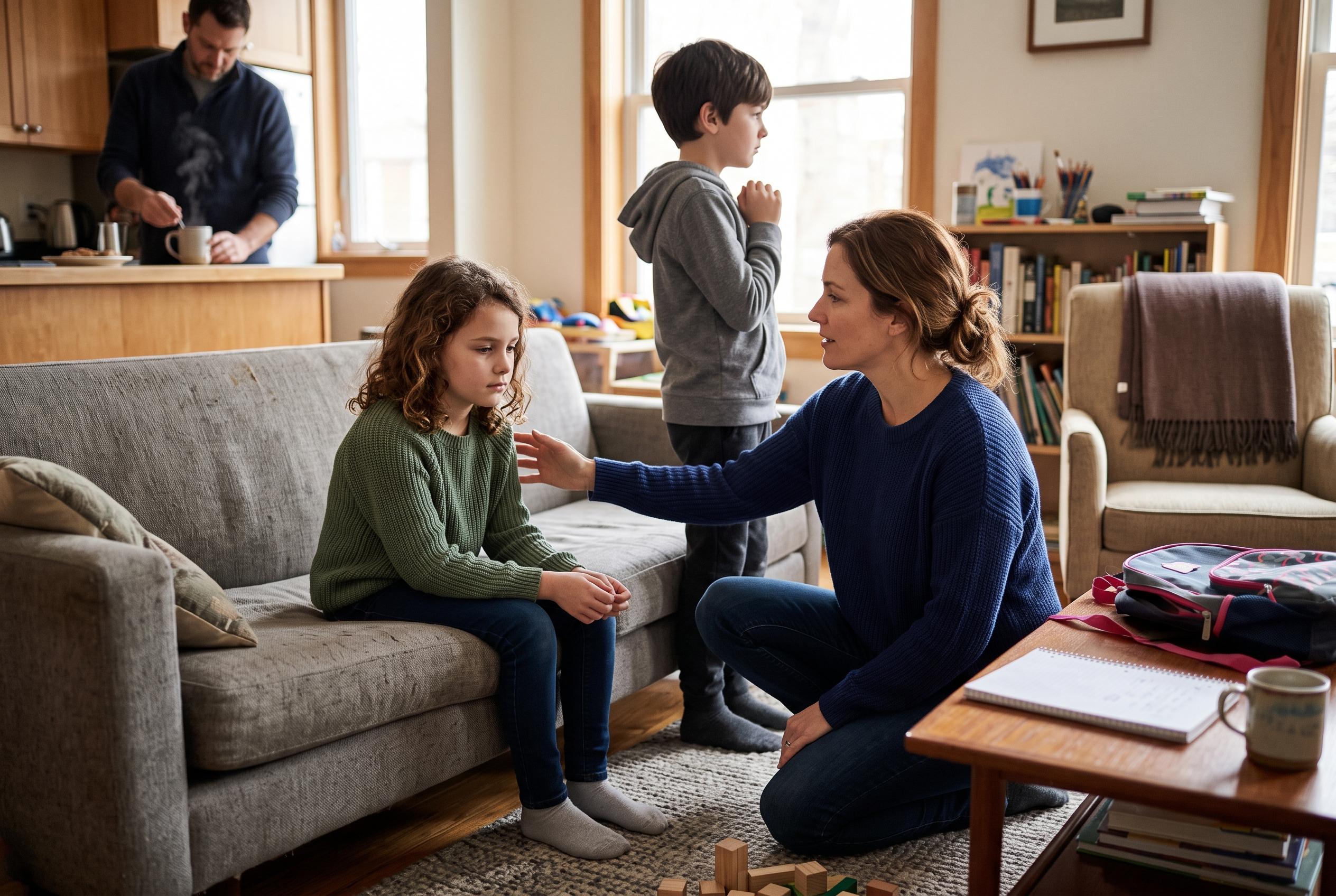

A study from the University of Kansas challenges the common perception of sibling fighting as harmless, highlighting its links to future social and emotional problems and the need for early intervention.
Parents often dismiss sibling fighting as a normal part of growing up, but new research suggests that some of what happens between brothers and sisters is better understood as aggression, not harmless squabbling.
Paula Fite, a clinical child psychology researcher at the University of Kansas, said sibling aggression has been overlooked because families often accept it as inevitable. Writing with colleagues in the Journal of Psychopathology and Behavioral Assessment, she examined reports from 290 primary school-age children with siblings and found that around one in six said they had used or threatened physical force to dominate a brother or sister, while about one in eight said they had threatened or bullied a sibling to get something.
The researchers divided sibling aggression into two broad patterns: proactive aggression, which is deliberate and unprovoked, and reactive aggression, which happens in response to provocation. Fite said reactive behaviour was more common, both among siblings and among peers, and may reflect weak emotion regulation skills. She also said the distinction matters because the two patterns are linked to different risks later on: reactive aggression is more closely associated with depression and anxiety, while proactive aggression is more often tied to delinquency, binge drinking and other risk-taking.
The study also suggests that what happens at home does not stay there. According to the researchers, both forms of sibling aggression were associated with higher levels of peer aggression six months later, raising concern that these habits can spill into friendships and other social settings. Fite said the finding supports earlier intervention rather than waiting for problems to surface outside the family.
One of the more striking findings was that boys and girls did not differ in how often they were reported to be aggressive towards siblings. That contrasts with broader youth aggression research, including work in the Journal of Abnormal Child Psychology, which has found sex differences in antisocial behaviour more generally, with physical aggression tending to be more prominent among boys. Within sibling relationships, however, the University of Kansas team found no such divide.
The researchers also pointed to growing evidence that sibling aggression deserves its own attention in both research and clinical practice. A separate study in the journal Children has used virtual reality to simulate sibling interactions, suggesting that controlled scenarios may help scientists understand how children respond to conflict with a brother or sister. Other research, including studies of clinic-referred children and families facing serious illness, has shown that sibling relationships can be a significant source of behavioural strain and emotional distress. Taken together, the work suggests that repeated teasing, threats and coercion between siblings should not be brushed off as ordinary childhood conflict.
Disclaimer: This content is for informational purposes only and is not intended to be a substitute for professional medical judgment, advice, diagnosis, or treatment.



