
A new study suggests that parental stress, rather than child behaviour, significantly influences children’s screen use, prompting calls for family media rules amid the busy school start period.
Parents are often told that screen time is a child problem. New research suggests it may be just as much a parent problem.
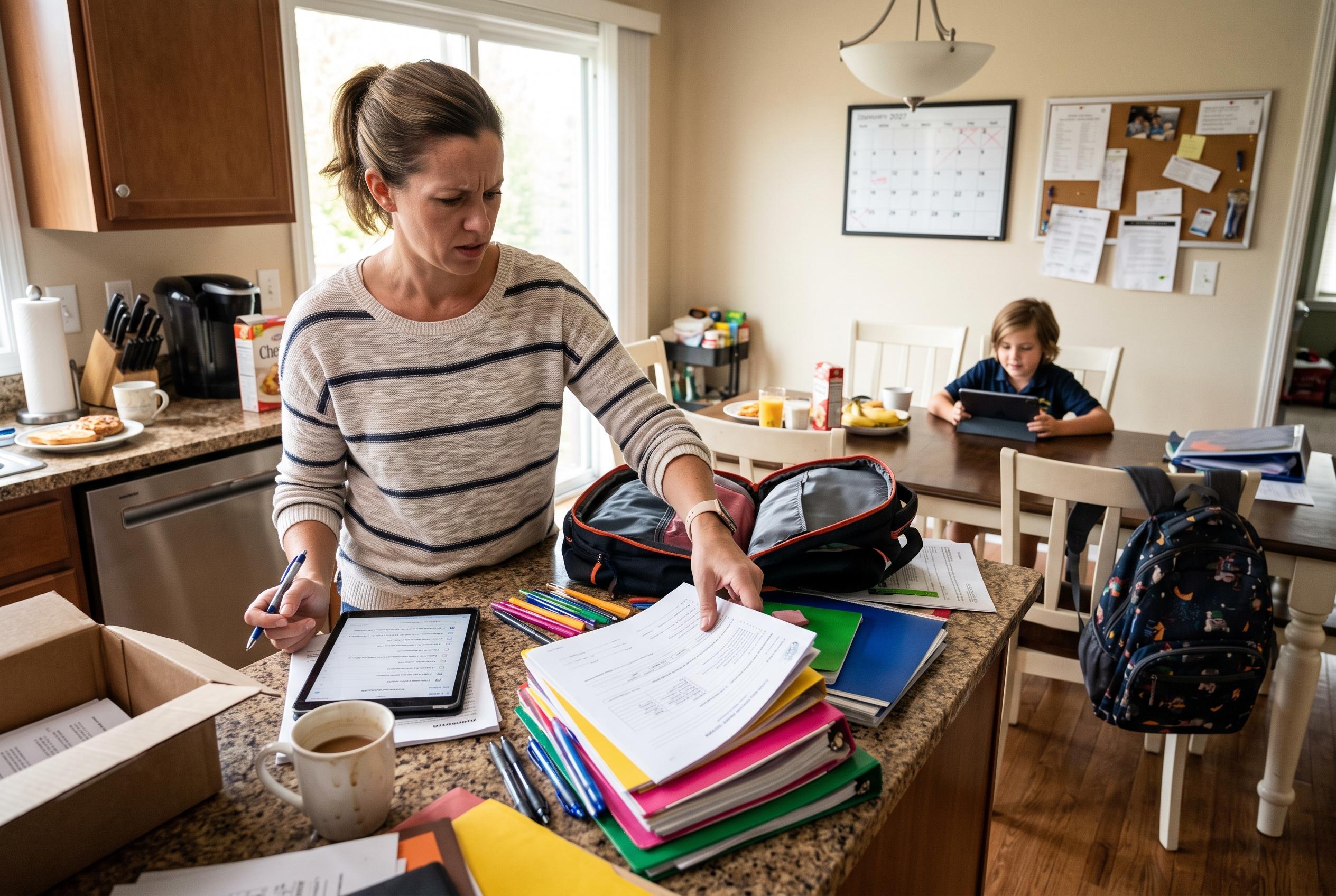
A doctoral student in child and adolescent clinical psychology writes in The Conversation that decisions about handing over a tablet or phone are shaped less by a child’s behaviour than by the adult’s own stress load at that moment. The article describes the familiar end-of-day scene in which a frazzled parent reaches for a screen not because the child has asked for one, but because the household needs a quick reset. The point is not that screens are harmless, but that the impulse to use them as a calming tool often reflects the parent’s capacity to cope.
That interpretation fits broader concern around family stress. In a 2024 advisory, U.S. Surgeon General Vivek Murthy said 33% of parents reported high stress in the previous month, compared with 20% of other adults, and linked that pressure to financial strain, children’s health and technology-related worries. His office has also warned about the potential harms of heavy screen use for children, including developmental, educational and mental health risks. Together, those findings help explain why screens have become so embedded in family life: they are easy, immediate and often effective in the short term.
The new study surveyed 822 parents of children aged 4 to 8 across the U.S. and looked at how different kinds of stress affected screen rules. Parents who felt strain tied to their own lives were less likely to keep firm limits on screen use, while those who found their child harder to manage were more likely to use screens to head off conflict or disruptive behaviour. Stress rooted in the parent-child relationship itself did not have the same effect. The researchers say the pattern held even after accounting for the child’s actual behaviour, suggesting that the adult’s perception of stress may matter as much as the child’s conduct.
With the new school year approaching, the article argues that families may benefit from making media rules before tensions rise. That can include screen-free meals, limits before bedtime and clear decisions about which apps or programmes are allowed. Involving children in those rules may also help. The broader message is simple: if the 6 p.m. scramble is predictable, the response can be planned too.
Disclaimer: This content is for informational purposes only and is not intended to be a substitute for professional medical judgment, advice, diagnosis, or treatment.