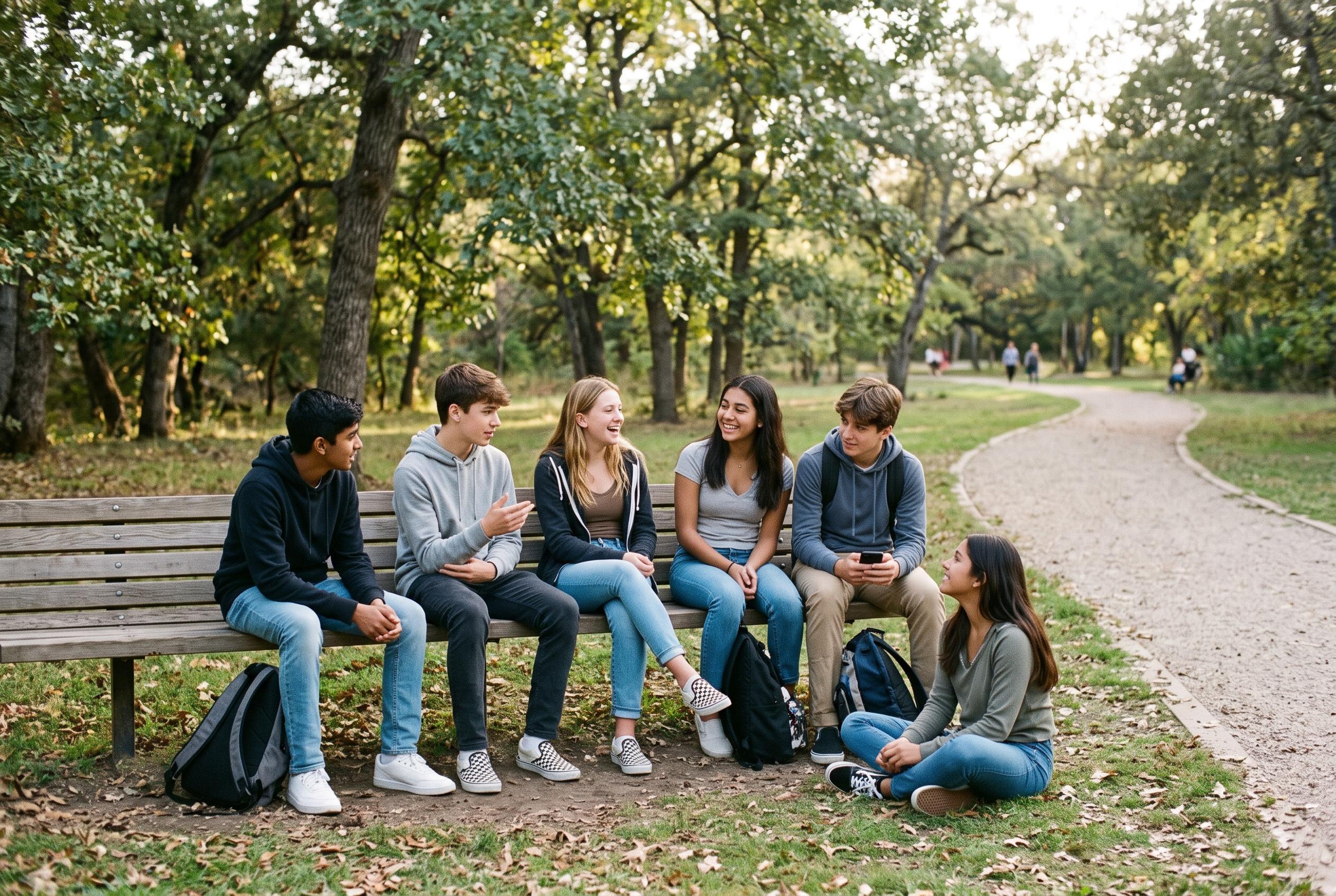

As teenagers spend more time with friends, understanding how peer dynamics affect behaviour is key to prevention. Recent studies reveal insights into how friendship choices can both support growth and pose risks, emphasising the importance of family and community involvement in guiding young people.
As children move into adolescence, their friends can become as influential as their families, shaping how they think, act and see themselves. That influence can be positive: good company can encourage learning, confidence and personal growth. But it can also pull a young person away from school, towards danger or into behaviour that has lasting consequences.
Research published by the National Center for Biotechnology Information says teenagers typically spend twice as much time with peers as with parents or other adults, and friendship choices often reflect shared interests. The same research suggests peer influence can account for a meaningful share of variation in smoking and drinking, with younger teenagers often more susceptible than older ones.
Scientists have also linked adolescent risk-taking to the way the brain develops. A review in the journal Developmental Psychobiology found that the reward system matures earlier than the cognitive control system, which helps explain why peer approval can make risky behaviour feel more appealing. In group settings, that pressure can be even stronger, especially for young people with weaker impulse control or a stronger appetite for sensation-seeking.
The risks are not limited to occasional bad choices. A study published in the International Journal of Environmental Research and Public Health found that association with aggressive, truant or substance-using peers is tied to a wide range of negative outcomes, including antisocial behaviour, employment problems and criminal offending. Another review from the National Center for Biotechnology Information notes that parents’ own risk-taking habits, along with childhood stress, can also affect how adolescents manage emotions, resist impulses and judge danger.
That makes prevention a family task as much as a social one. Children are less likely to be swept along by harmful companions when parents know their friends, keep communication open and set clear boundaries while still giving them room to build healthy independence. Good friendships matter in adolescence; the challenge is helping young people choose the ones that strengthen, rather than endanger, their future.
Disclaimer: This content is for informational purposes only and is not intended to be a substitute for professional medical judgment, advice, diagnosis, or treatment.