
Experts identify behavioural clues that reveal whether a child feels securely attached to their parent, emphasising the importance of trust, openness, and shared routines for emotional growth.
Children often reveal the state of their relationship with a parent long before they can explain it. In a secure bond, they are more likely to seek comfort, share what is on their mind and return to a parent for reassurance when life feels overwhelming. That pattern matters because, as attachment experts note, a child who sees a caregiver as a dependable base is also more likely to explore the world with confidence.
One of the clearest signs is simple: when upset, the child looks for a parent first. Research discussed by Simply Psychology describes this as the idea of a “secure base” and a “safe haven” – a caregiver who is both a point of safety and a source of comfort during distress. The Children’s Hospital at Montefiore says this kind of dependable response helps children build trust, which in turn supports emotional growth and social development.
Another sign is openness. A child who talks freely about school, friends, feelings or worries is showing that they do not expect criticism or rejection. Secure attachment is not about constant agreement or perfect behaviour. It is about a relationship in which the child feels safe enough to be honest. That same trust often shows up when a child asks for help or advice without fear of being mocked or dismissed.
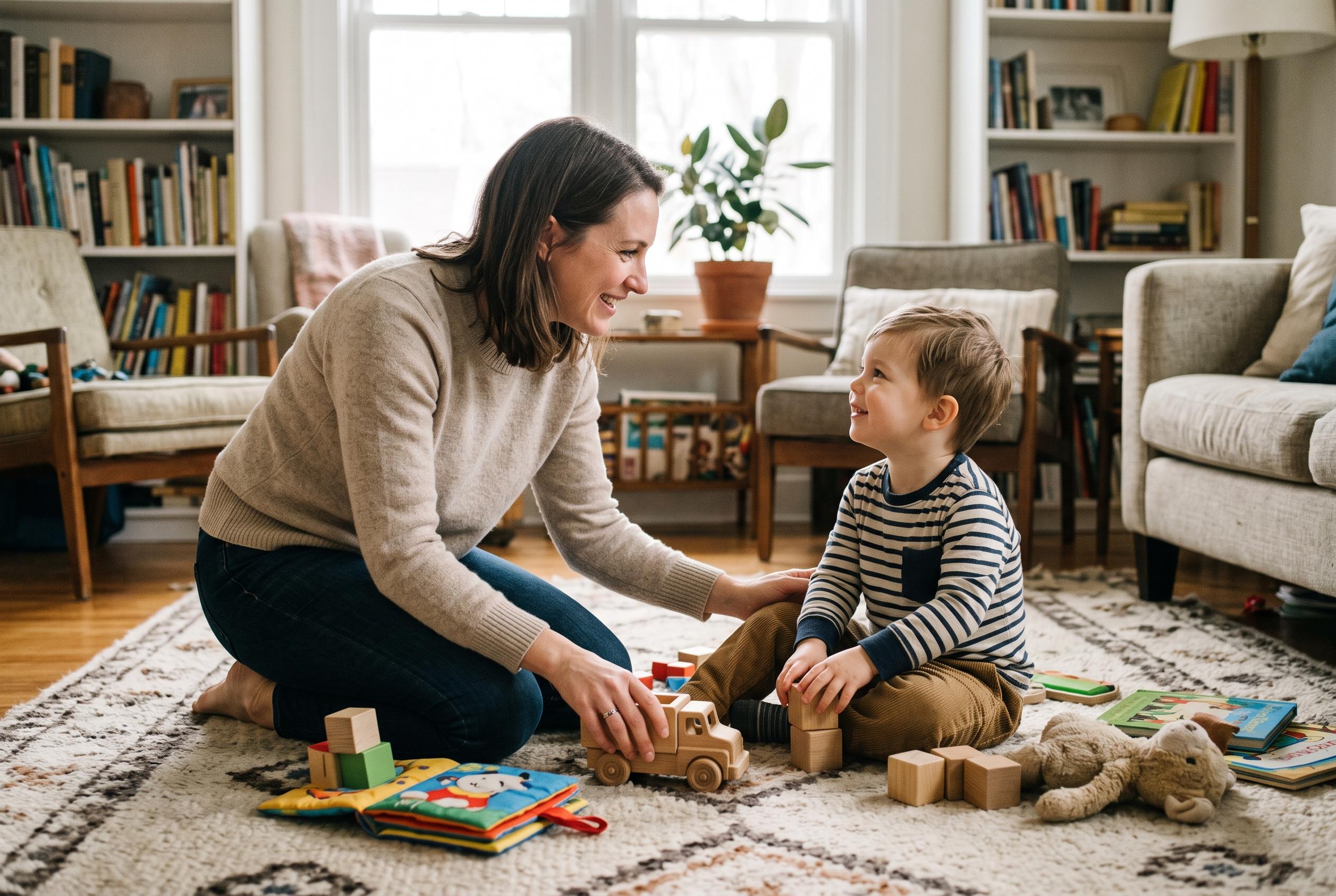
Children may also invite a parent into their world. They might ask to watch a film together, share a hobby or simply want company while they play or study. According to parenting and child-development experts, that willingness to include a parent suggests comfort, affection and a sense that being together is enjoyable rather than tense. Equally telling is a child who can disagree respectfully. The ability to question a decision or offer a different view can signal confidence, not defiance.
Time spent in shared rooms can be another clue. Children who feel emotionally secure are often content to be nearby, even when they are not directly interacting. They do not feel a strong need to withdraw because they are not bracing for criticism or anger. At the same time, specialists caution against reading any single behaviour in isolation. Every child has moments of privacy, moodiness and independence. What matters most is the overall pattern: whether the child repeatedly turns to a parent, communicates openly and seems to trust that support will be there when needed.
Disclaimer: This content is for informational purposes only and is not intended to be a substitute for professional medical judgment, advice, diagnosis, or treatment.