

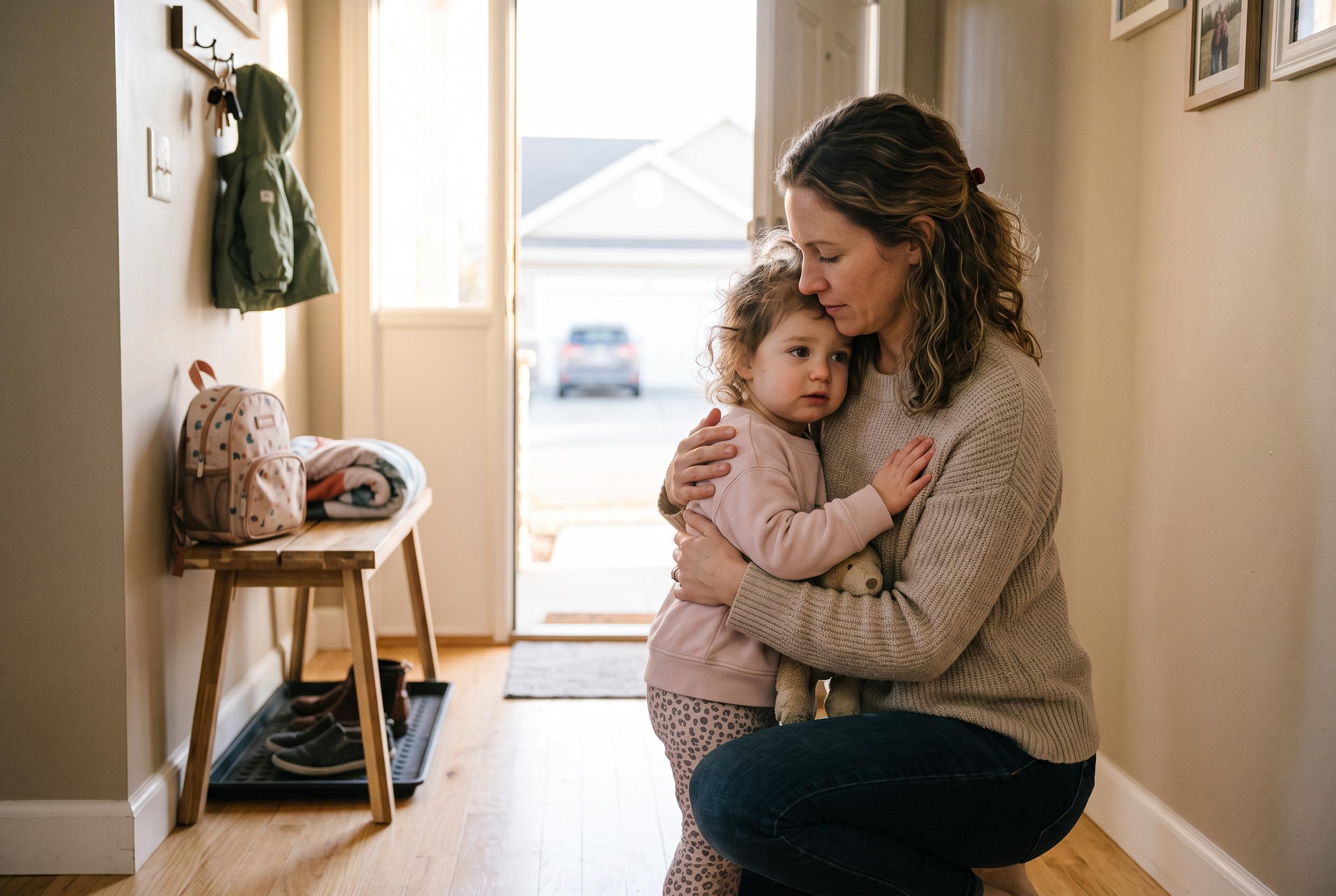

Experts highlight that boosted routines, reassurance, and gradual separations can help parents navigate the common but challenging clingy behaviour in toddlers, which is typically a passing phase.
A toddler who suddenly wants constant proximity can leave parents feeling drained, especially when even a short trip out of the room leads to tears or protests. But child development experts and parenting writers say this kind of behaviour is often a normal phase, not a sign that anything has gone wrong. It commonly appears in the second year of life, when children are becoming more aware of separations but do not yet have the emotional tools to manage them well. Many children grow out of it with time, reassurance and consistency.
There are also practical reasons a child may become more demanding about closeness. According to parenting guidance from several sources, clinginess is often tied to tiredness, hunger, teething, illness, a disrupted routine or a major change at home, such as a new sibling, a move or a parent returning to work. Some children react this way when they are adjusting to new people, new settings or unfamiliar schedules. In that sense, the behaviour is less about defiance and more about a search for safety.
One of the most effective ways to ease the strain is to build predictable routines. Parenting advice commonly recommends keeping morning and bedtime patterns steady, using familiar phrases at drop-off and pick-up, and planning around the times of day when a child tends to become more upset. Several child-care writers also stress the value of dedicated one-to-one attention. A short, uninterrupted stretch of play or affection each day can help meet a child’s need for connection before they seek it in more disruptive ways.
Experts also advise parents not to dismiss the child’s feelings or disappear without warning. Calm acknowledgement, clear explanations and a brief but consistent goodbye ritual can all help. That might mean saying when you will return in terms a toddler understands, such as “after lunch” or “after story time”, rather than giving a clock time that has little meaning for them. The goal is to show that separation is temporary and that the parent will return as promised.
Practising short periods apart can also make a difference. That may involve a playdate, a sitter in another room while the parent is still at home, or a gradual move towards longer separations once the child is comfortable. Some parenting guides describe this as helping the child’s need for reassurance be met before independence is pushed too far. If clinginess remains extreme beyond the preschool years, or if a child seems persistently distressed by separation, family doctors can help rule out other concerns. For most families, though, the phase passes, and patience tends to matter more than pressure.
Disclaimer: This content is for informational purposes only and is not intended to be a substitute for professional medical judgment, advice, diagnosis, or treatment.



