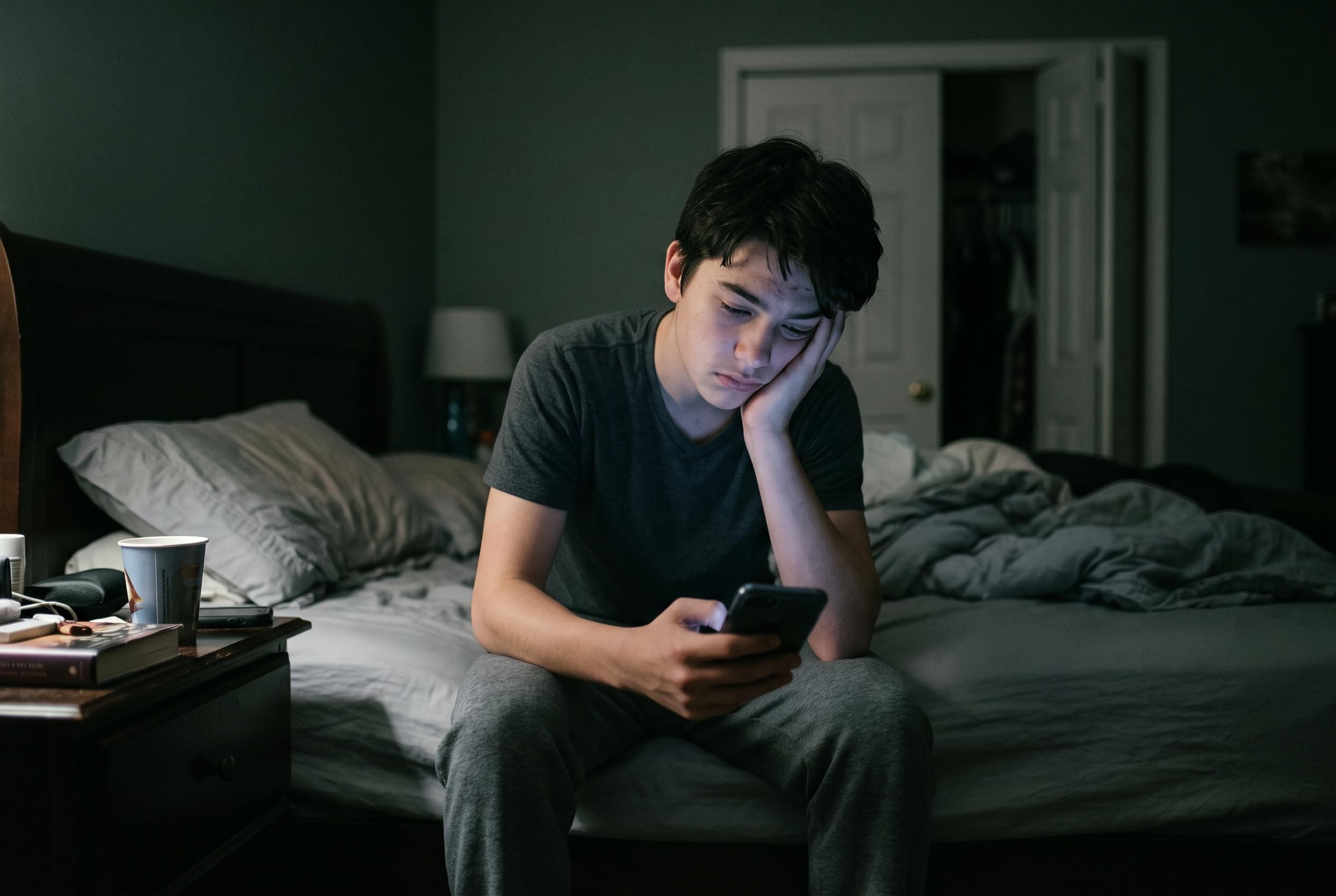

Experts warn that app design, content timing, and usage habits are disrupting sleep, emotional wellbeing, and self-control in young people, prompting calls for stricter boundaries and more balanced digital routines.
Smartphones have become so deeply woven into childhood that they now shape how many young people learn, play, socialise and unwind. Dr Barbara Boatwright argues that the issue is not simply excess screen time, but the way many apps are built to hold attention, trigger reward-seeking behaviour and make it hard to stop. That concern is echoed by the US Surgeon General, who has warned that harmful screen use can interfere with sleep, mental health, attention, physical activity and healthy development.
Research on adolescent brain function suggests that heavy smartphone use is linked with difficulties across several areas, including sleep, emotional wellbeing, self-control and sensory processing, although the evidence does not yet prove simple cause and effect. The American Psychological Association says children’s brains begin to shift around age 10 in ways that make attention and peer approval especially rewarding, while self-regulation continues maturing well into adulthood. That combination helps explain why social media can feel so compelling to teenagers even when they know they should log off.
One of the most worrying effects is constant comparison. Young users are not seeing ordinary life so much as filtered highlights, edited images and carefully staged success, which can distort what seems normal and desirable. The Surgeon General has singled out appearance-based content and social comparison as risks, and recent reporting on a large study found that strongly addictive phone use was associated with a higher risk of suicidal behaviour among young people. Other reviews have also linked problematic smartphone use with social anxiety, depressive stress and broader mental-health strain in young adults.
Sleep is another major fault line. The APA advises that social media should not get in the way of rest or exercise, and notes that use near bedtime is tied to disrupted sleep. Once a child or teenager starts scrolling late at night, the cost is not just lost minutes but a loss of the restorative sleep needed for memory, learning and emotional balance. A tired young person may then reach for the phone again, creating a cycle in which the screen both eases and deepens exhaustion.
Boatwright’s broader point is that not every screen is the same. A child using a device for homework or a teenager video-calling family is not doing the same thing as someone spending hours in an endless feed. The Surgeon General says the effects depend on content, timing, context and whether digital use displaces sleep, movement and in-person relationships. That is why the answer, she suggests, is not to reject technology altogether but to set firmer boundaries: no phones in bedrooms, fewer notifications, screen-free meals and more time for friendship, exercise, books, music and the physical world.
Disclaimer: This content is for informational purposes only and is not intended to be a substitute for professional medical judgment, advice, diagnosis, or treatment.