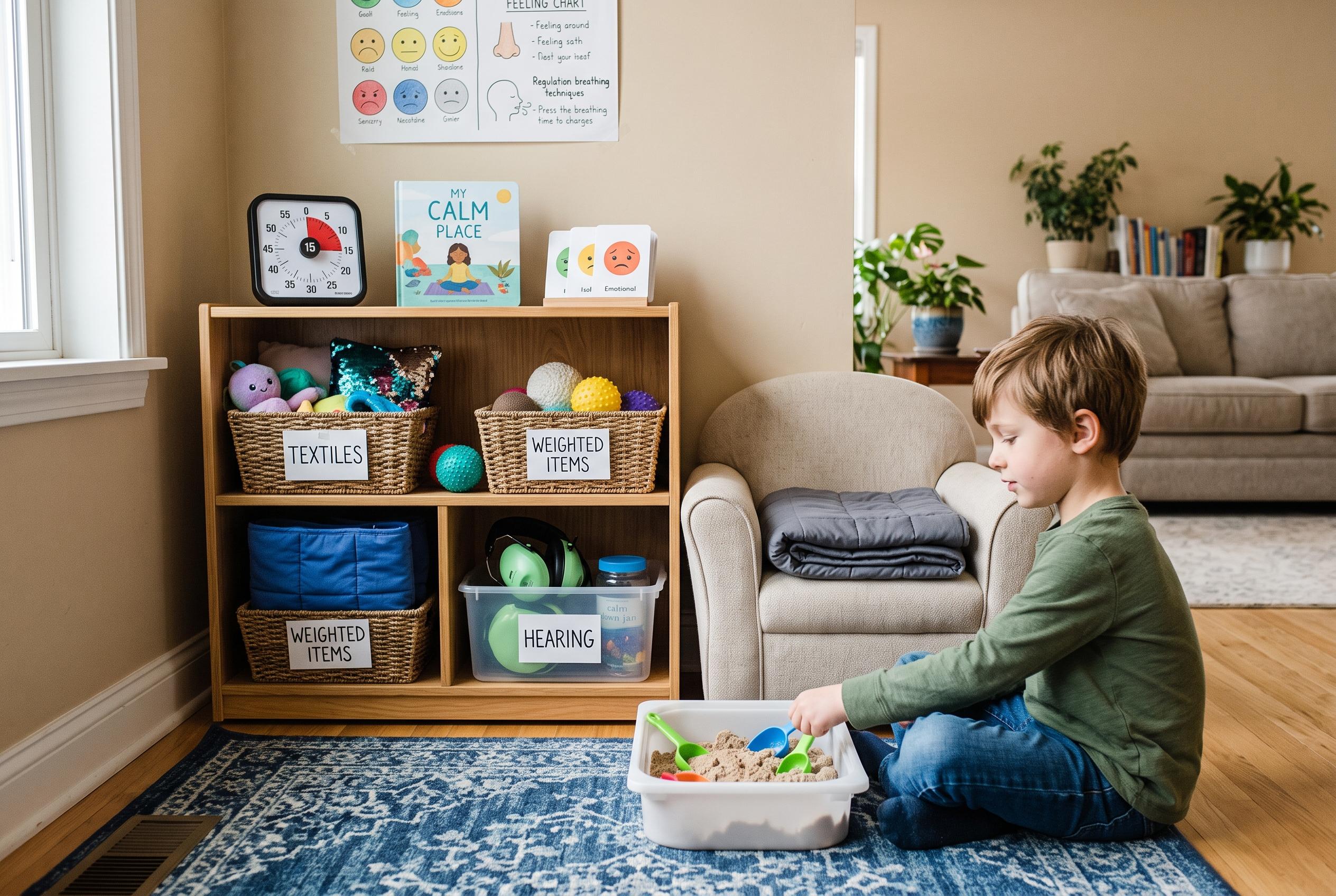

Parenting expert and neurodivergent parent Laura Petix reveals how understanding a child’s sensory needs can transform responses to meltdowns, offering a deeper approach beyond traditional tantrum management.
Parents often assume a child’s meltdown is a tantrum in disguise, but Laura Petix argues that the behaviour may be telling a different story. In her book “The Sensory Code”, the paediatric occupational therapist urges families to look beyond the immediate upset and search for clues about what a child’s nervous system may be trying to communicate.
Petix’s approach is shaped by both her professional work and her home life. As a neurodivergent parent raising a neurodivergent child with sensory differences, she writes from experience as well as training. The central idea in her guidance is that children do not always fit neatly into simple categories such as “sensory seeker” or “sensory avoider”. Many have mixed thresholds: they may crave movement, pressure or closeness while also becoming overwhelmed by loud sounds, certain textures or other forms of stimulation.
That broader view matters because sensory needs can show up in contradictory ways. A child may adore hugs and cuddles yet recoil from sticky hands or scratchy clothing. Others may constantly move, chew, climb or crash into furniture when they are seeking input, while still becoming distressed by crowds, transitions or noise. Petix’s advice is to track the pattern rather than chase a label: notice what a child reaches for, what they resist and when their reactions tend to escalate.
The same principle can help parents respond more effectively in the moment. Rather than trying to force a child to calm down through distraction alone, Petix suggests matching the response to the behaviour. A child who is ripping paper, stomping or wringing their shirt may need a safe outlet for that energy, such as something to tear, squeeze or throw. A child who is withdrawing or hiding may need fewer demands, less light and a quieter space. She also cautions that not every burst of energy should be indulged, especially near bedtime, when a child may still need sensory input but in a more controlled form.
According to publishers listing “The Sensory Code”, the book is due out on October 6, 2026 and is intended as a practical guide for parents navigating sensory processing differences. Petix also wants families to help children build their own language for what is happening inside their bodies. Rather than asking a distressed child, “How are you feeling?”, she recommends simpler questions such as, “What are you noticing?” and “What do you need?” Over time, the goal is self-awareness and self-advocacy: a child who once melted down in a noisy classroom may eventually learn to ask for a quiet space before reaching that point.
Disclaimer: This content is for informational purposes only and is not intended to be a substitute for professional medical judgment, advice, diagnosis, or treatment.