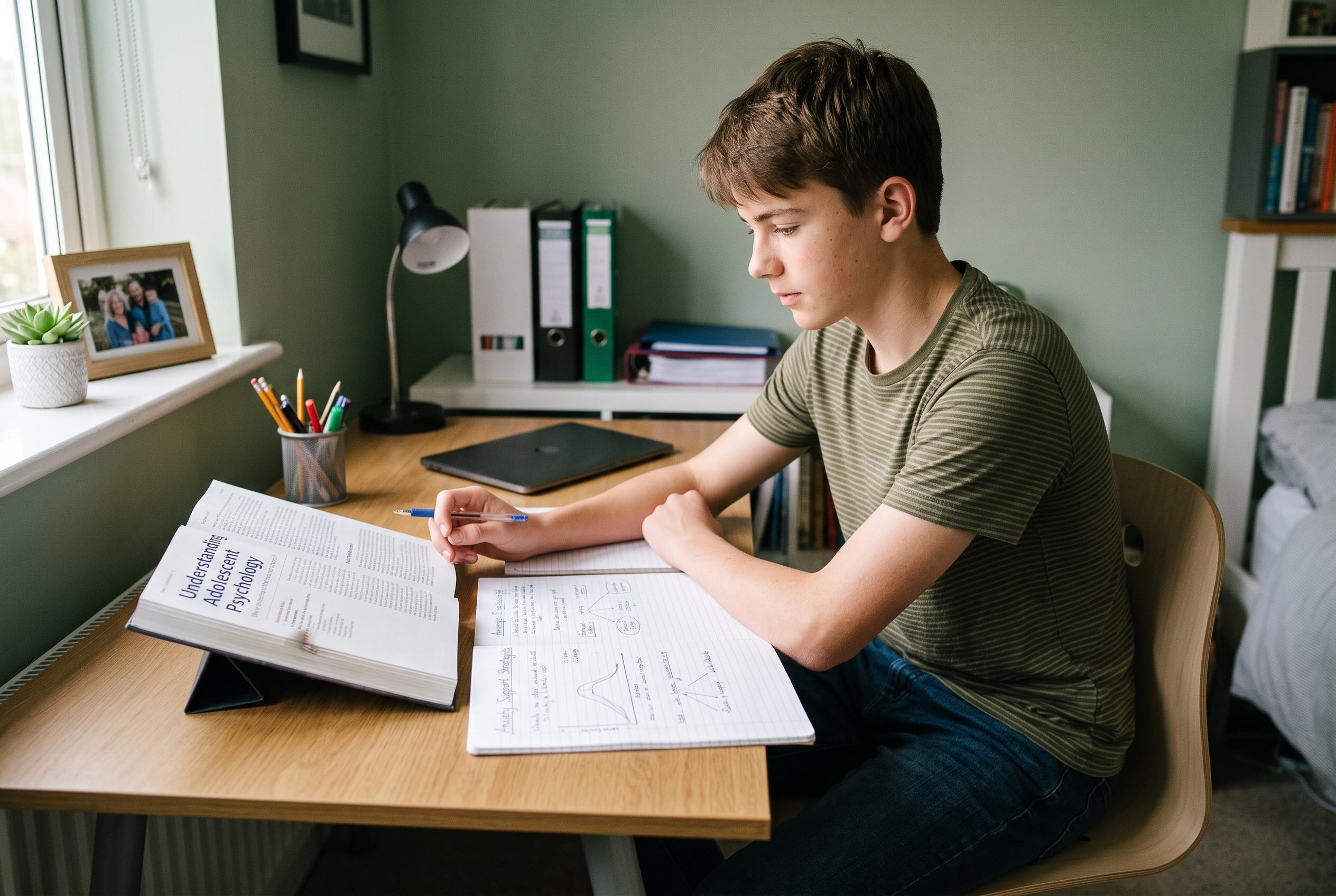

Experts warn that untreated anxiety in teenagers, though common, can interfere with daily life and require prompt, comprehensive support to prevent long-term issues.
Anxiety is a normal part of adolescence, but specialists say it can become a problem when worry stops being temporary and starts shaping everyday life. Johns Hopkins Medicine notes that about 8% of children and teenagers experience an anxiety disorder, and that school pressure, friendships and other teenage stressors can all play a part.
The challenge for parents and carers is telling the difference between ordinary nerves and something more persistent. WebMD says anxiety in teenagers often shows up as constant worry, avoidance of certain situations and physical symptoms such as restlessness or sleep problems. Cleveland Clinic adds that anxiety can also involve uncontrollable thoughts, fear and muscle tension, with symptoms becoming more concerning when they recur frequently and interfere with daily life.
Symptoms are not always easy to spot because anxiety can affect behaviour, emotions and the body at the same time. Drugs.com lists stomach pain, headaches, difficulty concentrating and muscle tension among common signs in adolescents, while Medical News Today says sleep disruption, low energy and feelings of hopelessness may also appear, particularly when anxiety overlaps with depression.
Experts say the causes are often mixed rather than singular. Medical News Today points to factors such as bullying, trauma, family history and lack of emotional support, while Cleveland Clinic says genetics, brain changes, chemical factors and environment can all contribute. In teenagers, social adjustment problems, academic demands and wider family stress can also amplify symptoms, according to Johns Hopkins Medicine.
Support usually starts with listening, routine and small practical steps. Johns Hopkins Medicine advises parents to acknowledge fears, encourage healthy habits and seek professional help when needed. WebMD recommends cognitive behavioural therapy, relaxation techniques and, in some cases, medication, while Drugs.com and Cleveland Clinic both stress that treatment can include therapy, medicine and lifestyle changes. Early intervention matters, particularly because untreated anxiety can become harder to manage over time.
Most teenagers with anxiety improve with the right help, but urgent action is needed if there is any risk of self-harm or immediate danger. Parents and carers should seek professional assessment if symptoms are lasting, worsening or affecting school, relationships or family life. The key message from clinicians is that anxiety is common, treatable and not something families need to face alone.
Disclaimer: This content is for informational purposes only and is not intended to be a substitute for professional medical judgment, advice, diagnosis, or treatment.