

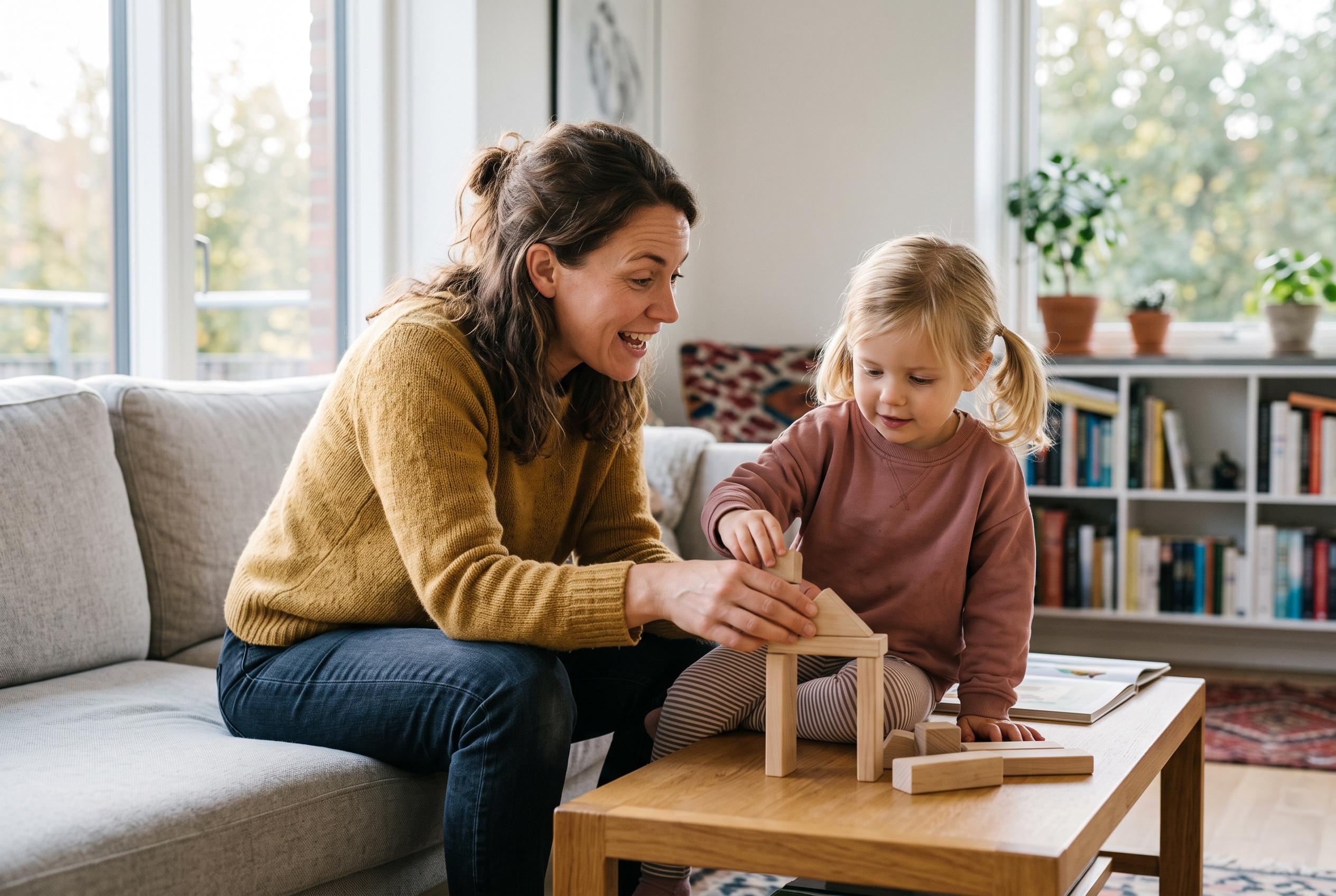

Research suggests that specific parental personality traits, including openness, extraversion, and neuroticism, can shape children’s behaviour, health, and social skills, potentially giving them a better start in life.
Parents’ personalities may shape more than the home atmosphere; they can also influence how children develop in school, friendships, health and later life, according to research on the links between family traits and child outcomes. The idea builds on the long-standing “Big Five” model of personality, which describes people in terms of openness, conscientiousness, extraversion, agreeableness and neuroticism.
A study published in Nature Scientific Reports found that parental personality traits before conception were associated with family resources during pregnancy and after birth, as well as with infant characteristics in the first thousand days of life. That research, based on 665 parents and 1,030 infants in the Victorian Intergenerational Health Cohort Study, suggests that parents’ traits can help shape the early environment in which children grow. Other research has linked parental emotional stability to fewer behaviour problems in toddlers, while a separate study in PubMed found that parents with more educational attainment tended to have children who were more open, more extraverted and more emotionally stable as adults.
Among the traits highlighted in the article is openness when it is paired with low neuroticism. Parents who are curious, imaginative and willing to try new things, but who are not highly anxious or emotionally reactive, may be better able to encourage children to explore interests without feeling pushed into fixed expectations. That combination can help children discover hobbies, build confidence and stick with activities they genuinely enjoy.
Extraversion also appears to matter. Researchers cited in the article suggest that socially confident parents may give children a model for talking to others, making connections and avoiding isolation. A study on parenting and temperament found that fathers’ extraversion, along with mothers’ lower neuroticism, was linked to more positive parenting across children of different temperaments. By contrast, higher parental neuroticism has been associated with worse academic and behavioural outcomes.
The article also points to agreeableness and conscientiousness as useful traits. Agreeable parents may be better at resolving conflict calmly, discouraging gossip and helping children respect other people’s views. Conscientious parents, meanwhile, are more likely to think carefully about boundaries, routines and health, and to push for habits such as exercise and sensible eating. Taken together, the research suggests that personality does not determine a child’s future, but it can tilt the odds by shaping the daily environment in which children learn how to think, cope and relate to others.
Disclaimer: This content is for informational purposes only and is not intended to be a substitute for professional medical judgment, advice, diagnosis, or treatment.



