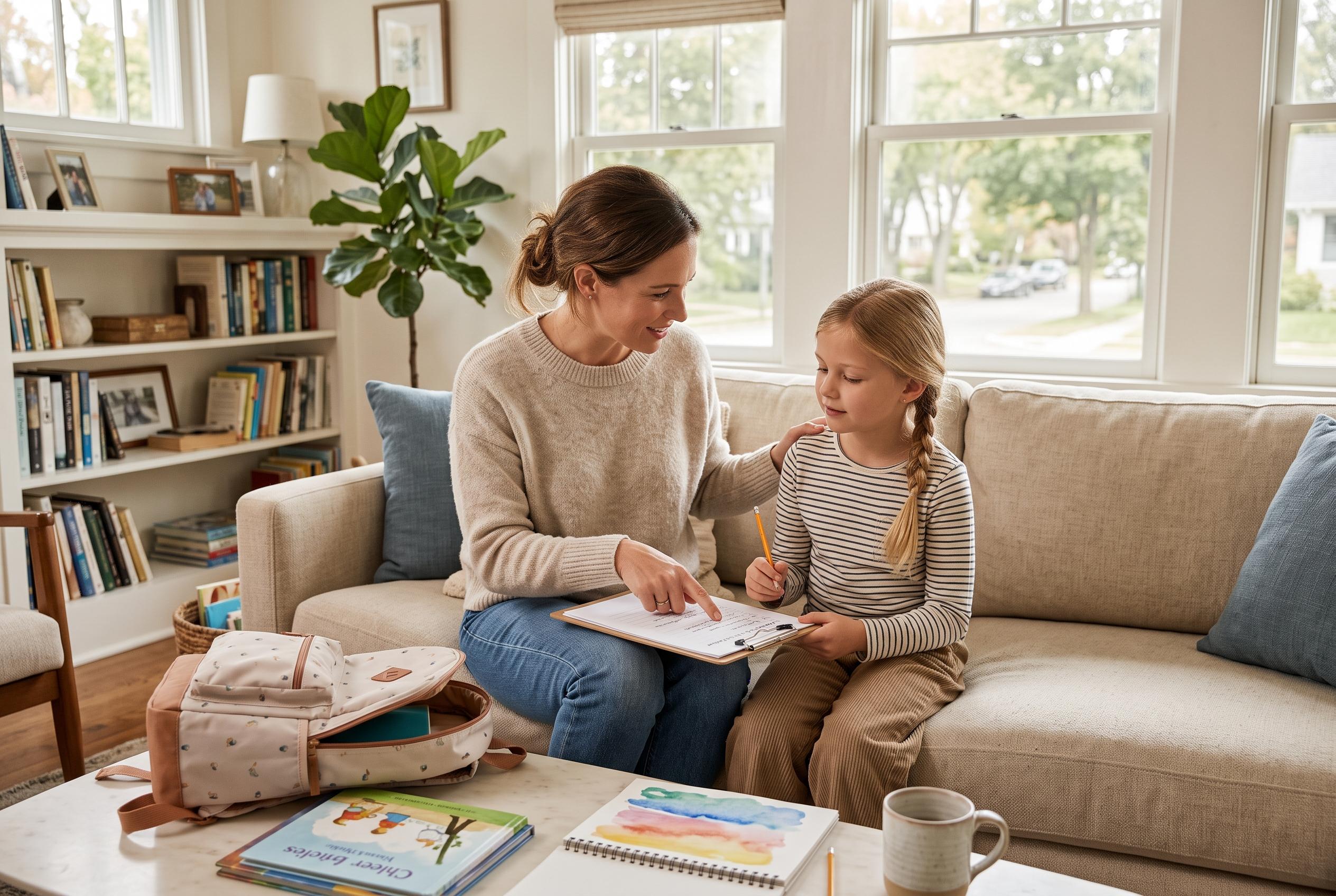

As students return to classrooms across South Florida and the US, experts offer practical advice to help children manage back-to-school anxiety and maintain emotional wellbeing during the pivotal transition from holiday freedom to routine.
With schools reopening across South Florida and much of the US, doctors say many children are feeling the strain of the switch from holiday freedom to classroom routine. Specialists note that some unease is normal, especially after a long break, but persistent distress can become more than simple nerves if it starts to interfere with daily life or getting to school on time.
Dr Molly O’Shea, a Michigan paediatrician and spokeswoman for the American Academy of Paediatrics, told WSVN that the key distinction is whether anxiety is affecting a child’s ability to function. She said parents should pay attention to physical symptoms as well as behaviour, including stomach aches, headaches, sleep disruption, irritability, clinginess or a pattern of avoiding school-related activities. Harvard Health and Mass General Brigham also say common stressors include separation from parents, academic pressure and worries about friends and teachers.
Experts recommend that families begin easing the transition before the first bell rings. Johns Hopkins Medicine advises adjusting bedtimes, choosing clothes and organising school materials in advance, arranging playdates with familiar classmates and visiting the school beforehand. HealthyChildren.org, the parenting site from the American Academy of Pediatrics, says rehearsing the morning routine and talking through specific worries can help children feel more prepared. Several health systems also stress the value of steady home routines, including regular bedtimes and mealtimes, to restore a sense of predictability.
O’Shea also urged parents to talk openly about what their child is feeling rather than brushing it aside. In her view, support should be paired with a clear message that attendance still matters, because staying home too often can reinforce anxiety and make the next return even harder. If symptoms continue beyond the first few weeks or become overwhelming, Johns Hopkins Medicine, Harvard Health and other providers advise seeking help from a paediatrician, therapist, psychologist or school support staff such as a counsellor, nurse or teacher.
Disclaimer: This content is for informational purposes only and is not intended to be a substitute for professional medical judgment, advice, diagnosis, or treatment.