

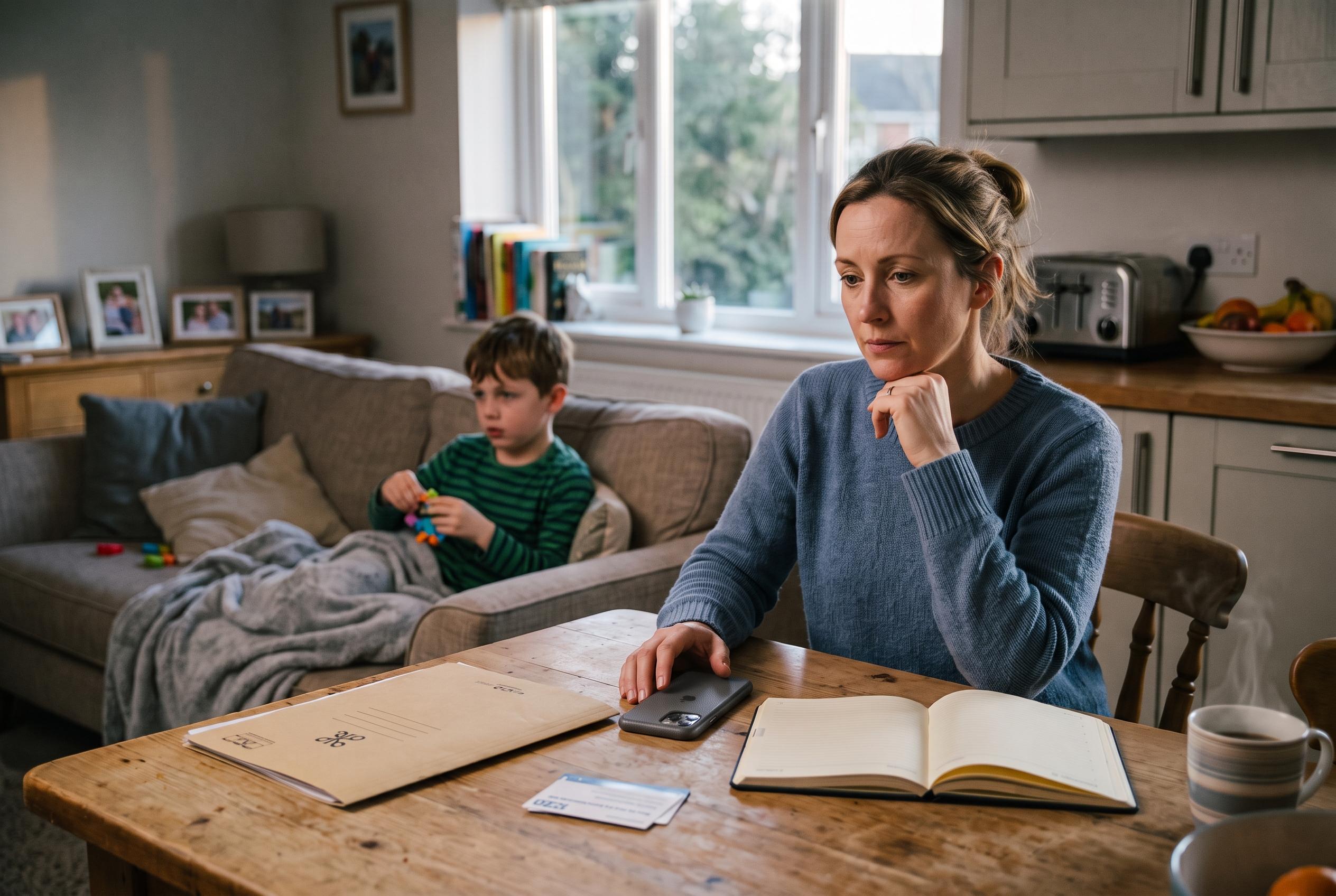

A new study reveals that extensive waiting times for ADHD assessments are compounded by poor communication and lack of interim support, intensifying stress for families and highlighting systemic delays in NHS services.
For many families, the journey towards an ADHD assessment begins quietly: a note from school about behaviour, rising tension at home and a child who starts to believe something is wrong with them. What should be a route to understanding can instead become an extended period of uncertainty, especially when Child and Adolescent Mental Health Services accept the referral and then offer little more than silence. A qualitative study led by Ellen Hedstrom and colleagues, published in Health Expectations, suggests that this waiting period is not a passive pause but an active source of strain for parents and children alike.
The research drew on interviews with 41 parents of children aged five to 11 across London, Southampton and Nottingham, with nearly half still waiting for an initial CAMHS appointment and many already waiting well over 18 months. The study found that the lack of updates left parents feeling powerless, forced to chase services themselves and often unsure how to prepare their children for an assessment that seemed endlessly out of reach. Some families considered private diagnosis, but cost and doubts about whether schools would accept the result left them stuck. Others described patchy information before assessment, weak crisis support and a scramble to piece together advice from social media and parent networks.
That experience sits against a wider national backlog. NHS England’s 2025 taskforce estimated that about 621,000 children and young people in England have ADHD, while recent reporting has pointed to waitlists stretching beyond a year for many families. Separate overviews published in 2026 suggested that waits for NHS ADHD assessment can vary sharply by area, with some children facing roughly 12 to 24 months through CAMHS and some adult services reporting waits of several years. In that context, the parents in the new study were not describing an isolated failing, but a system in which delay has become normalised.
The authors argue that the damage is not caused only by the length of the queue, but by the absence of communication, signposting and interim support while families wait. Their recommendations are practical: clearer information about likely waits, regular digital check-ins, named contacts, online resources and better psychoeducation for parents. The study also underlines a broader point for schools and services alike: children should not have to wait for a formal diagnosis before adults begin making simple, reasonable adjustments that reduce distress and protect learning. For families already under pressure, being kept informed may be more than a courtesy; it may be the first sign that help is finally on its way.
Disclaimer: This content is for informational purposes only and is not intended to be a substitute for professional medical judgment, advice, diagnosis, or treatment.



