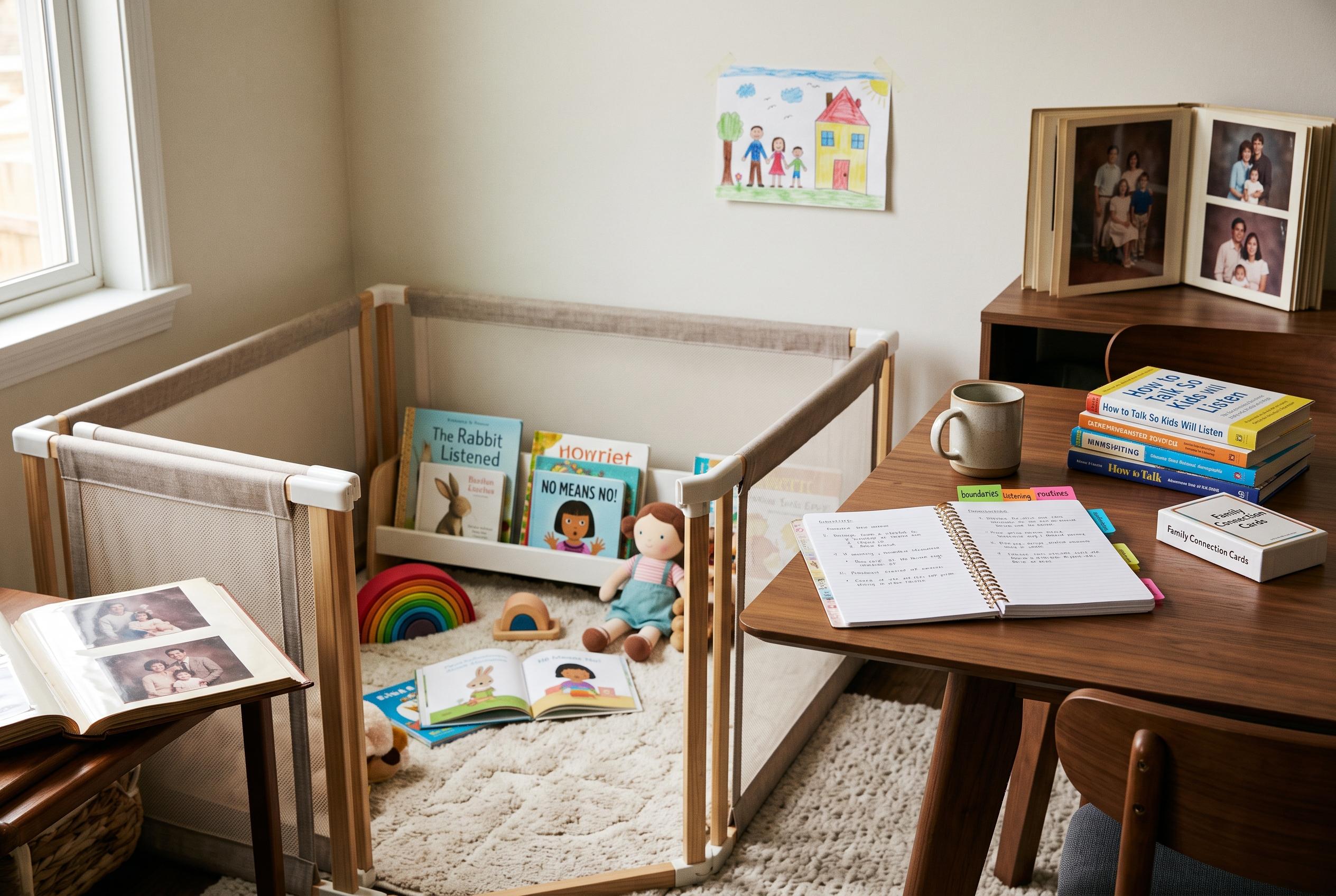

As millennial parents embrace flexibility, emotional openness, and respect for children’s boundaries, family gatherings reveal a evolving approach that contrasts sharply with generational norms, prompting both debate and adaptation.
Family gatherings can become a small referendum on how parenting has changed. Millennial parents often approach children with more flexibility, more emotional language and more respect for personal boundaries than many grandparents expected. What looks like softness to one generation can feel like progress to another, especially when the goal is to raise children who understand consent, self-control and how to speak for themselves.
One of the clearest examples is physical affection. Many younger parents now let children decide whether they want to hug or kiss relatives, preferring a wave, high-five or no greeting at all. Psychology Today has argued that respecting a child’s refusal teaches autonomy and self-respect, and that view captures a much wider shift in parenting: affection is still encouraged, but it is no longer treated as something adults are entitled to demand.
The same change shows up in everyday discipline. Instead of issuing commands and expecting instant obedience, many millennial households use negotiation, limited choices and short conversations to move the day along. Bedtime, meals and transitions can take longer, but the approach reflects a belief that children learn reasoning and self-advocacy by practising them early. To older relatives raised on firmer rules, that can look like chaos; to younger parents, it can look like preparation.
Emotional openness is another fault line. A toddler’s tantrum is now more likely to be met with a calm explanation of what the child is feeling than with silence or punishment. That style, often linked to gentle parenting, treats emotions as something to be named and managed rather than hidden. Even clothing choices have become part of the same philosophy, with many parents happy to let children pick mismatched outfits if it means the child feels confident and in control.
Food and screens are also sources of tension. Snack drawers at child height and occasional tablets at the table may strike grandparents as indulgent, but many parents see them as practical tools rather than signs of surrender. The bigger pattern is that millennial parents are less likely to accept inherited rules simply because they are old. As a result, many now turn first to online advice, parenting accounts and forums rather than family tradition, a shift that can leave grandparents feeling sidelined. Still, the divide is less about respect than it is about how differently each generation defines it.
Disclaimer: This content is for informational purposes only and is not intended to be a substitute for professional medical judgment, advice, diagnosis, or treatment.