

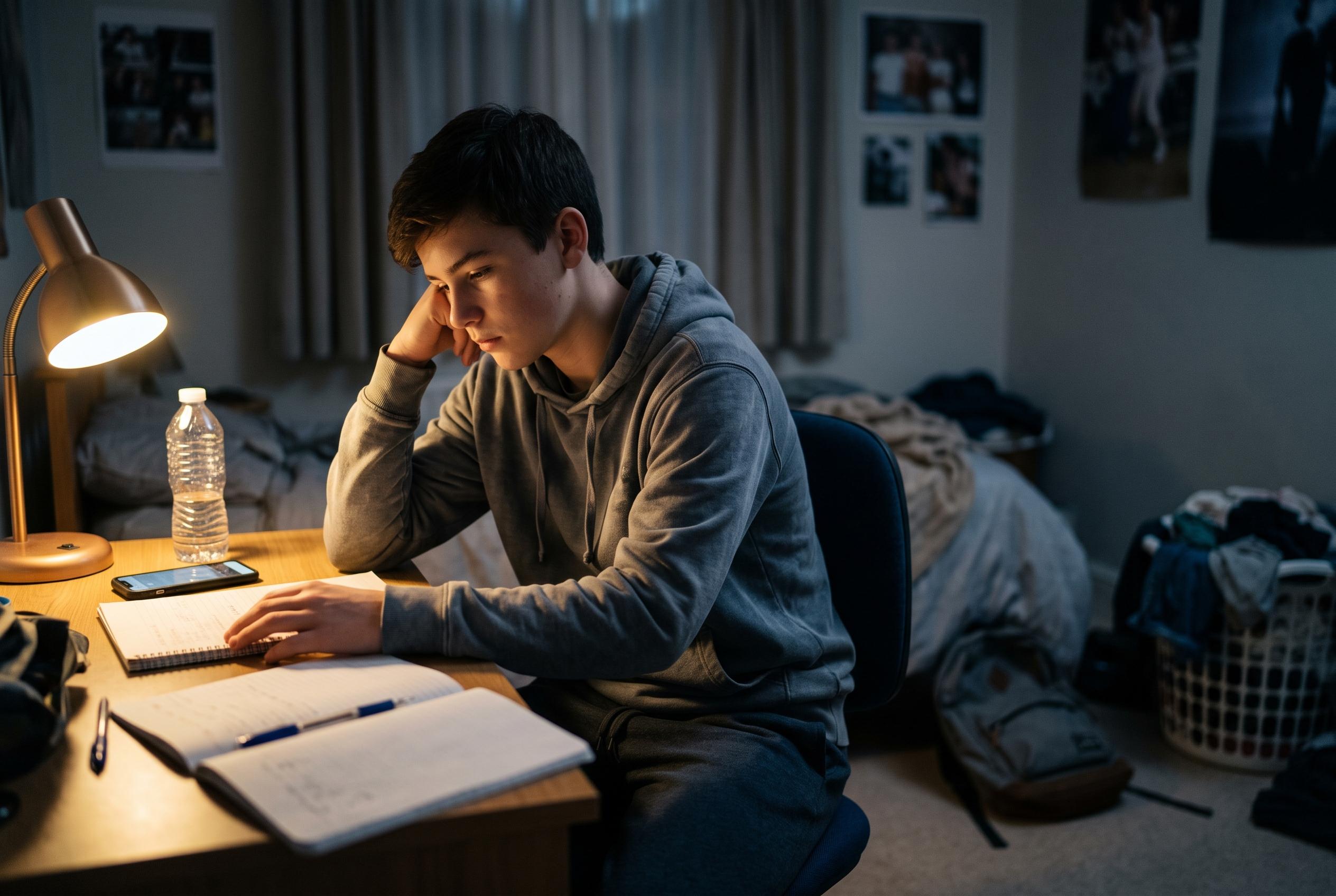

A new study suggests that loneliness and sleep quality significantly influence teenagers’ self-efficacy, with implications for mental health amid rising adolescent challenges worldwide.
Adolescence is a sensitive stage for mental health, and the World Health Organisation says about one in seven 10- to 19-year-olds worldwide lives with a mental disorder. Against that backdrop, a new study in Frontiers in Psychiatry suggests that loneliness may do more than sap teenagers’ mood: it may also weaken their confidence in their own abilities.
The research, based on 1,323 students in grades 7 to 9 at two middle schools in Baotou, Inner Mongolia, found that higher loneliness was linked with lower self-efficacy, a psychologist’s term for belief in one’s ability to cope and perform tasks. The authors also found that internet addiction partly explained that link, with more lonely adolescents showing more problematic internet use and, in turn, lower self-efficacy.
Sleep quality also appeared to matter. The study reported that poorer sleep altered both the direct relationship between loneliness and self-efficacy and the first stage of the pathway from loneliness to internet addiction. In practical terms, the findings suggest that sleep problems may go hand in hand with stronger effects of loneliness on teenagers’ psychological adjustment, while better sleep may soften some of that pressure.
The findings fit with broader public health concerns. The WHO says half of all mental health conditions begin before age 14, and UNICEF estimates that around 166 million adolescents lived with mental disorders in 2019. In the United States, the CDC says more than half of adolescents discussed their mental and emotional health with a professional in the past year, but one in five still reported unmet mental health care needs, underlining the gap between need and access.
The Chinese study is cross-sectional, so it cannot prove cause and effect, and the authors note that the sample came from only two schools. Even so, the results point to a familiar but important message for parents and caregivers: loneliness, sleep and screen use are not separate issues. Taken together, they may shape how well adolescents feel able to handle school, peers and daily life.
Disclaimer: This content is for informational purposes only and is not intended to be a substitute for professional medical judgment, advice, diagnosis, or treatment.



