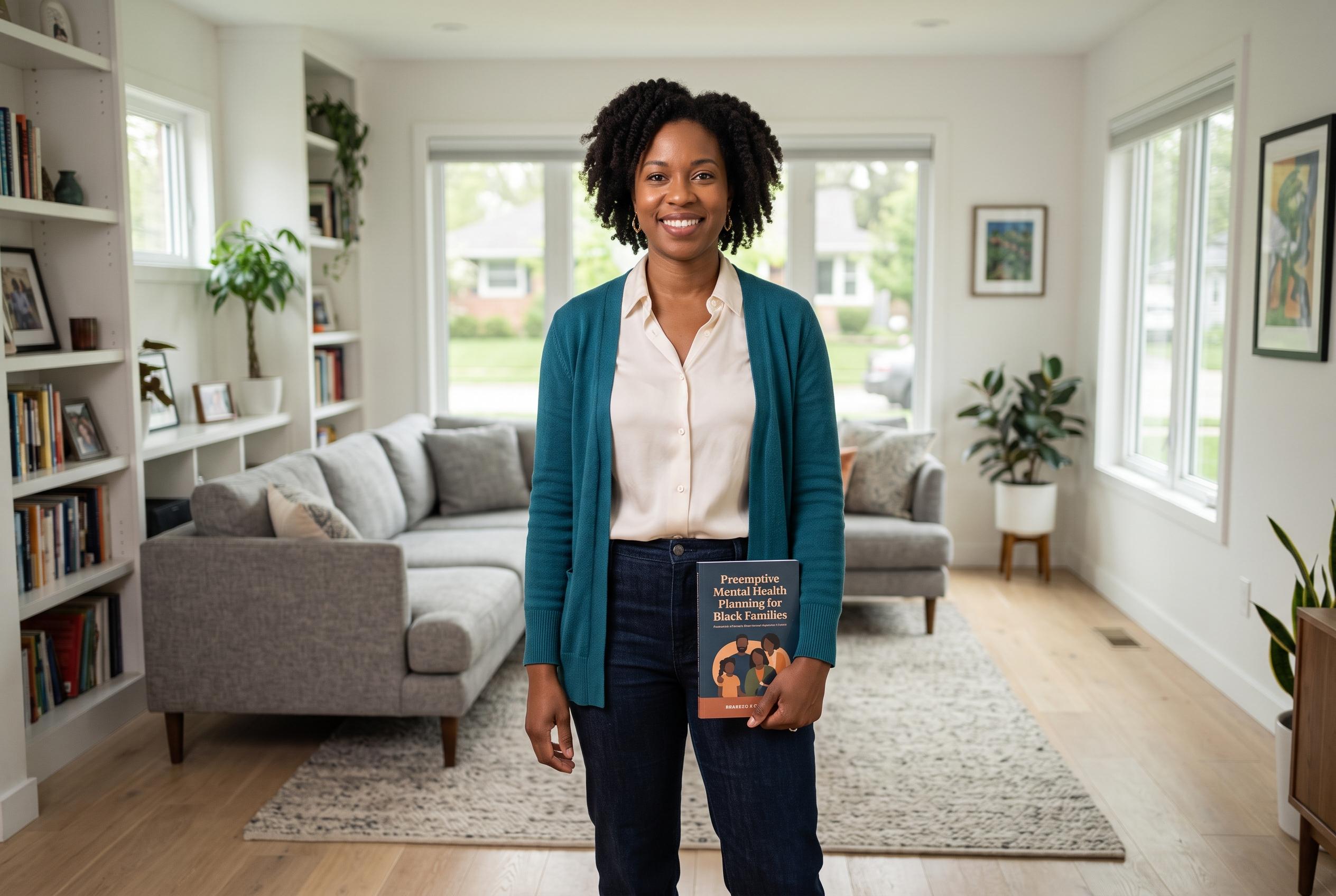

Kelechi Ubozoh highlights the importance of proactive mental health preparations for Black families, unveiling her new psychiatric guide designed to empower communities before crises occur.
Kelechi Ubozoh says her work in mental health advocacy was shaped by her own experience of crisis care and by what she saw as the failures of a system that too often leaves Black families without guidance, dignity or access. In an interview with Rolling Out, the writer, coach and former investigative reporter said that early encounters with institutional treatment convinced her that healing could not depend on waiting until a crisis had already begun.
That perspective helped drive the creation of “What I Wish My People Had Known, The Psychiatric Green Book: A Guide for Black Folks”, which Ubozoh co-authored with Yolo Akili Robinson, founder of the Black Emotional and Mental Health Collective. What began as a quick idea for social media posts or a short guide expanded into a fuller manual after conversations with disability rights advocates, an anti-racist psychiatrist and policy experts. The result, released on July 28, is designed to give families historical context, legal basics and practical checklists for moments when a loved one is in psychiatric care.
Ubozoh said the most important preparation happens before a crisis. Families, she argued, should help loved ones create a psychiatric advance directive, or PAD, spelling out preferred treatment, medication and who should be involved in care. She also stressed the value of a release of information form, which can allow trusted relatives to speak with clinicians and find out where a patient is being treated. Without that paperwork, she said, families may struggle even to locate a loved one or obtain basic updates.
For families already dealing with an admission, Ubozoh urged consistent presence and careful documentation. She advised visiting regularly, asking questions about treatment, making sure concerns are written into the chart and learning as much as possible about prescribed drugs and their side effects. She also emphasised that caregivers need support of their own, whether through therapy, support groups or time to process what is happening, because relatives cannot effectively advocate if they are running on empty.
Her warnings were matched by a wider critique of how Black people often experience mental healthcare. Ubozoh said many families hesitate to seek help because of the history of racism and abuse in medical settings, but she also rejected the idea that hospitals are either wholly harmful or reliably restorative. The guide, she said, aims for nuance: some people benefit from inpatient care, while others emerge traumatised, overmedicated or worse off than when they entered.
BEAM, which Robinson founded, is part of that attempt to build alternatives and supports that feel culturally grounded. The organisation, which has hubs in Los Angeles and Atlanta and serves people nationally, focuses on community-based healing, culturally responsive care and practical aid such as the Black Parent Support Fund. Ubozoh said that was one reason the Green Book was built with both a longer guide and free checklists for people who need immediate steps rather than a dense read. The resource is available on a pay-what-you-can basis, with checklists free, and Spanish-language materials are in development.
Disclaimer: This content is for informational purposes only and is not intended to be a substitute for professional medical judgment, advice, diagnosis, or treatment.