

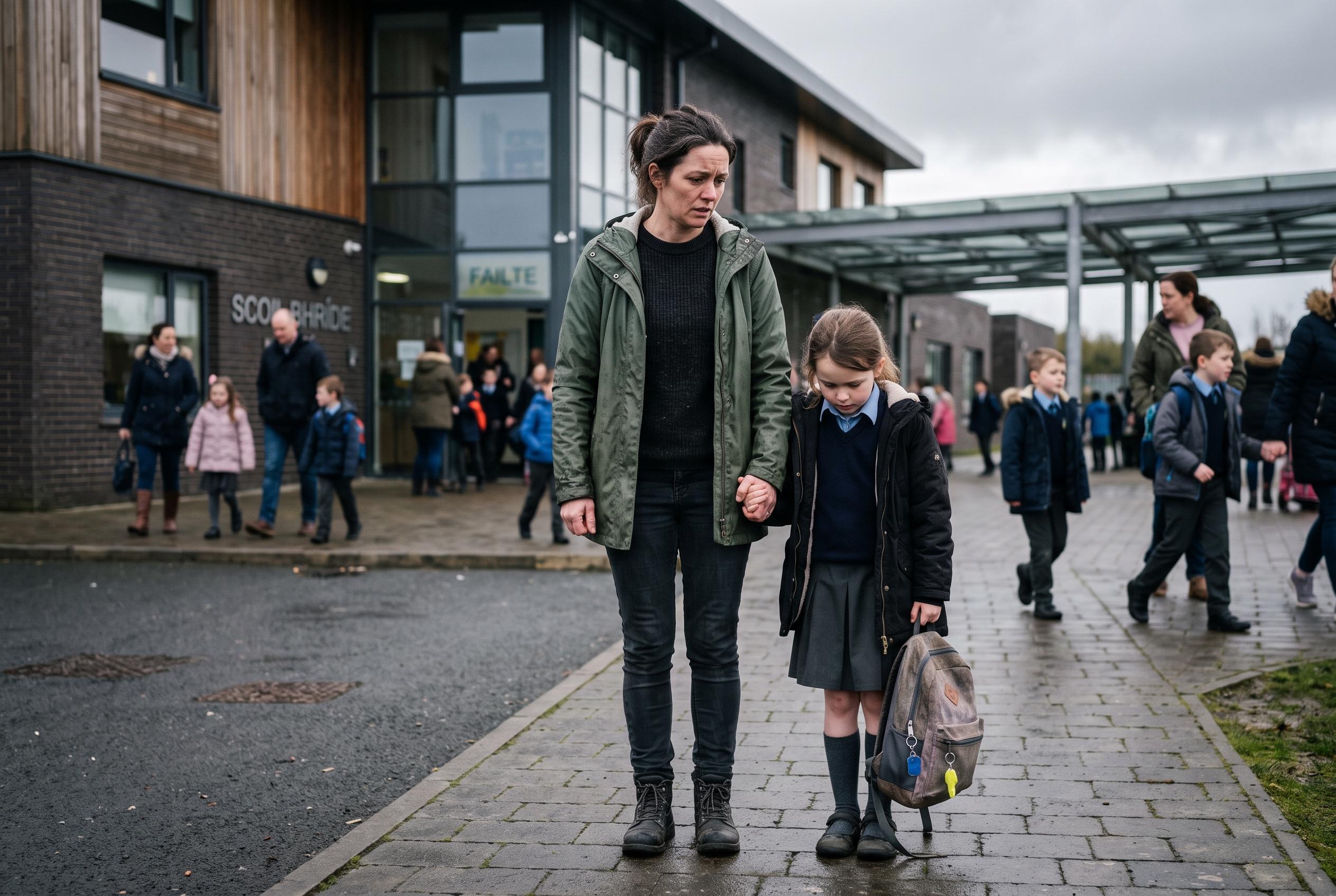

A new report from the ESRI and Tusla uncovers increasing school absences among Irish pupils, highlighting the influence of socio-economic challenges, family circumstances, and mental health on attendance rates since the pandemic.
New research from the Economic and Social Research Institute, published in partnership with Tusla Education Support Service, suggests that school absence has become more common among young people with socio-emotional difficulties and among those who say they do not like school. Using Growing Up in Ireland data, the study tracks pupils from age nine to 13 and points to a wide set of influences, from family circumstances and classroom relationships to area-level disadvantage and children’s own attitudes to school.
The report says absence is particularly high among children from unskilled manual and non-employed households, families under financial pressure, lone-parent homes and families in which mothers have lower levels of education. It also finds that pupils living in rented accommodation, and those in places with weaker social capital and fewer facilities for teenagers, are more likely to miss school. National figures, the ESRI says, show that absence has risen in Ireland since the pandemic, echoing trends seen in other countries.
Disability emerges as another strong factor. The report says young people with a disability are far more likely to be absent than their peers, and that absence tends to rise when a disability becomes apparent between ages nine and 13. It also links higher absence to harsher parenting, less consistent routines around bedtimes and breakfast, bereavement, addiction in the family and bullying at age nine. By contrast, schools that involve pupils more in decision-making tend to record lower absence.
Emer Smyth, one of the report’s authors, said the findings show that attendance is shaped by “a range of factors” and that responses need to be “multi-dimensional and integrated”. Anna Moya, another author, said the links between absence and disadvantage point to the need for broader anti-child poverty policy, alongside mental health and parenting supports. Áine O’Keeffe, national service director of Tusla Education Support Service, said the agency had commissioned the report to better understand the interplay between individual, family, school and community factors affecting attendance, and that frontline teams continue to work with children, families and schools to improve it.
Disclaimer: This content is for informational purposes only and is not intended to be a substitute for professional medical judgment, advice, diagnosis, or treatment.



