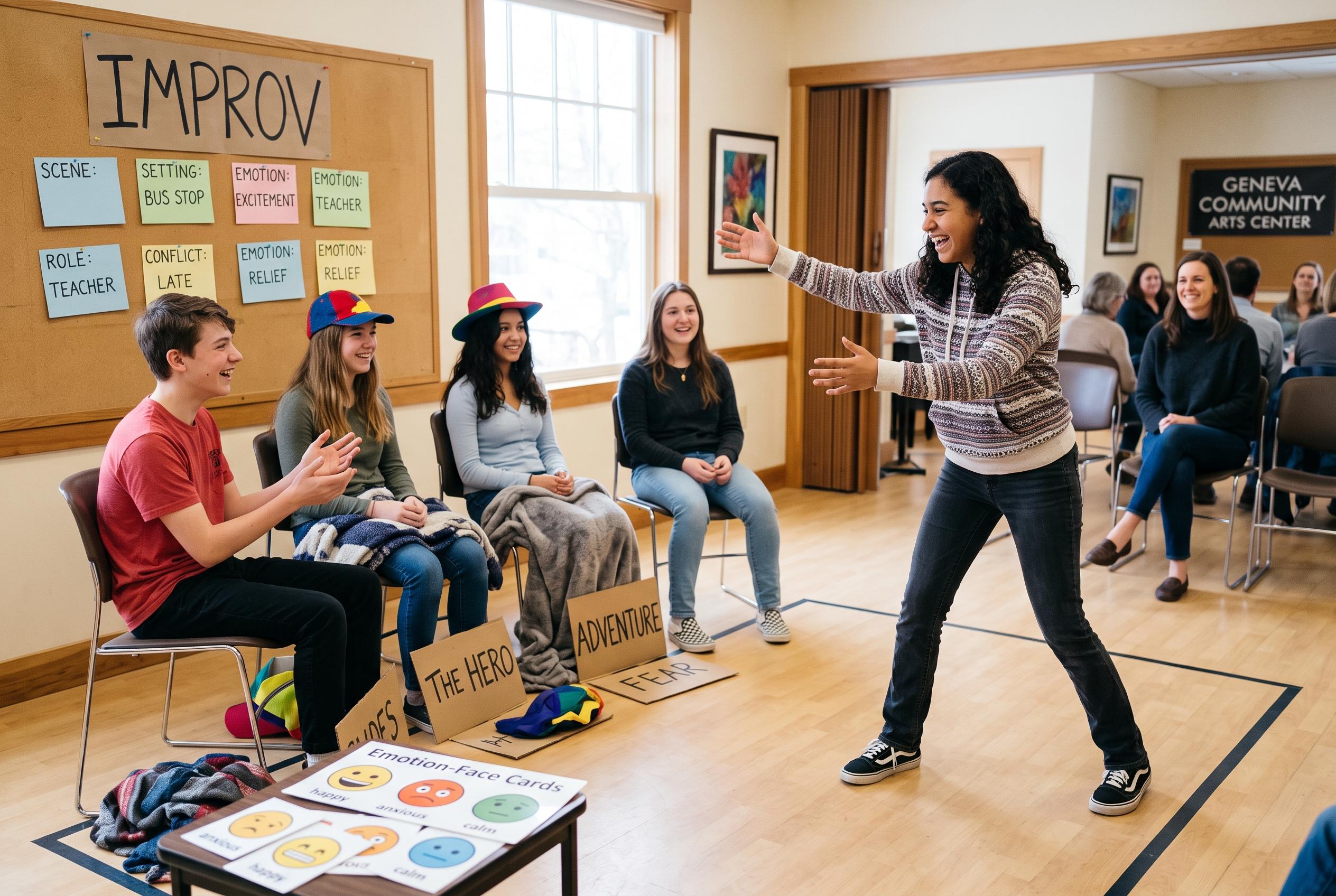

A Geneva study reveals that engaging vulnerable teenagers in improvisational theatre can prevent emotional decline, highlighting its potential as a practical mental health support tool for struggling adolescents.
A classroom experiment in Geneva suggests that not all social and emotional learning has the same effect on teenagers , and that the students who may need support most are often the ones who benefit from it first. Researchers at the University of Geneva and partner institutions tested improvisational theatre, mindfulness meditation and emotion-focused board games with 300 students aged 15 and older across three schools offering vocational and upper secondary education. The work was published in Social and Emotional Learning: Research, Practice, and Policy.
The findings did not show a broad uplift across the whole group. Instead, the clearest gains were protective: among students who began the study with higher anxiety, the activities appeared to help prevent the slide in self-efficacy and emotional and behavioural difficulties that was seen in the control group, which took part in an office skills course with no social or emotional content. That context matters. The World Health Organisation says one in seven people aged 10 to 19 lives with a mental health condition, and anxiety, depression and behavioural disorders are among the biggest causes of illness and disability in adolescence.
Of the three interventions, improvisational theatre stood out. After nine weekly 90-minute sessions, students in that group showed stronger cognitive empathy, meaning a better ability to understand another person’s point of view, and a greater willingness to collaborate. Those changes were visible regardless of whether participants had high or low anxiety at the start. The researchers said the appeal of the format was important too, with improvisation proving the most popular activity among students.
Nathalie Mella, who co-led the study with David Sander, said the central lesson was less about dramatic gains for every teenager than about preventing decline among those already under strain. “The most important finding is not a dramatic improvement among all students, but rather that these activities appear to have prevented a decline in those who were already the most vulnerable,” she said in material released by the University of Geneva. The researchers are now extending the work in a new project focused on improvisational theatre and students from migrant backgrounds, building on the idea that playful, socially connected classroom settings may offer a practical way to support vulnerable adolescents.
Disclaimer: This content is for informational purposes only and is not intended to be a substitute for professional medical judgment, advice, diagnosis, or treatment.