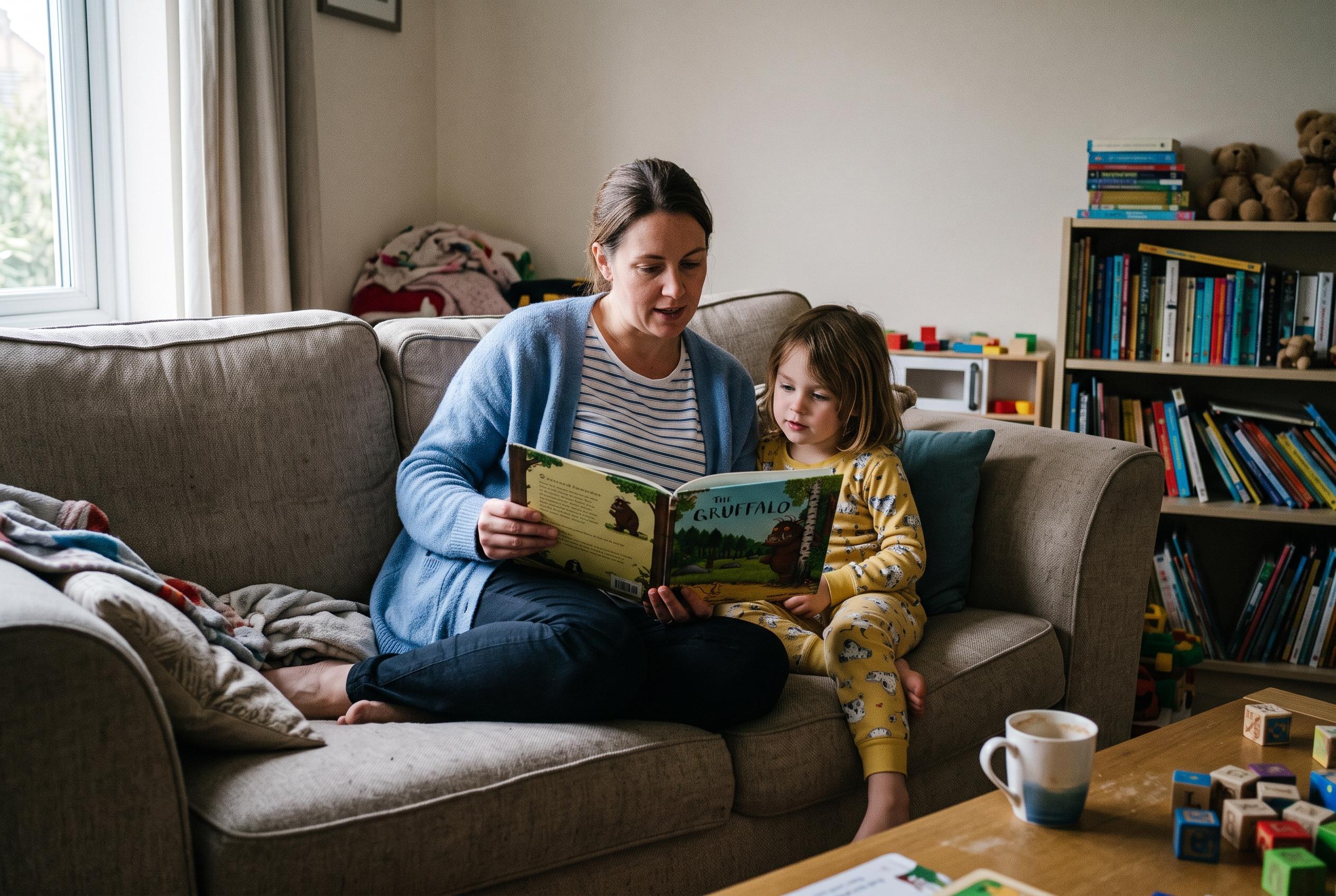

Expert advice emphasises shielding children from parental disputes, maintaining routines, and seeking professional support to reduce the emotional impact of family conflict amid separation.
When a separation turns hostile, children can end up carrying the weight of adult conflict. The most helpful parents are often those who keep their children away from legal arguments, resist the urge to turn them into messengers, and make home feel steady even when family life is changing.
That means avoiding questions that put a child in the middle, such as where they want to live or what happened at the other house. Yale Medicine says children do better when they are shielded from parental conflict, and that open communication should not come at the cost of emotional pressure. The aim is to let lawyers and judges deal with custody issues while parents concentrate on being calm and dependable.
Therapy can also be useful, but it is not an automatic fix. Yale Medicine says counselling may help when a child shows signs of distress, while the Agatsu Foundation notes that the level of conflict between parents is often a better predictor of harm than divorce itself. Signs that a child may need extra support can include withdrawal, aggression, sleep problems, changes in appetite or trouble at school, according to HealthyPlace and Dasher Law Firm.
It is also important not to use access to the other parent as a weapon. Oregon Law Help says safety is the main reason to limit contact, but in ordinary cases children generally benefit from continued relationships with both parents. Cutting off contact out of anger can deepen a child’s insecurity and make reconciliation harder later.
Day-to-day behaviour matters as much as legal strategy. Parents should keep exchanges short and peaceful, avoid shouting or public scenes, and use text messages or co-parenting apps if direct conversation tends to escalate. Letting children move their clothes, toys and other personal items between homes can also reduce tension and remind them that they do not have to choose sides to feel settled.
In more serious high-conflict cases, a court may be able to appoint a family counsellor or similar professional to help rebuild trust. That kind of support can give parents and children a structured way to talk through hurt feelings, but it works best when adults accept that healing takes time and that children need consistency more than drama.
Disclaimer: This content is for informational purposes only and is not intended to be a substitute for professional medical judgment, advice, diagnosis, or treatment.