


Preparation, flexibility and giving children control over costumes and activities can help make Halloween safer, calmer and more inclusive.
Halloween can be a joyful occasion for children, but for those with sensory sensitivities, anxiety, ADHD or autism, the season can also bring discomfort and stress. The strongest message for parents and carers is that inclusion begins with preparation: when adults recognise that children experience the same event in different ways, they can reduce pressure, offer choices and make the night feel safer and more manageable. According to the lead article and supporting guidance from sensory-focused parenting resources, the most effective approach is to put a child’s comfort, rather than appearance or expectation, at the centre of the plan.
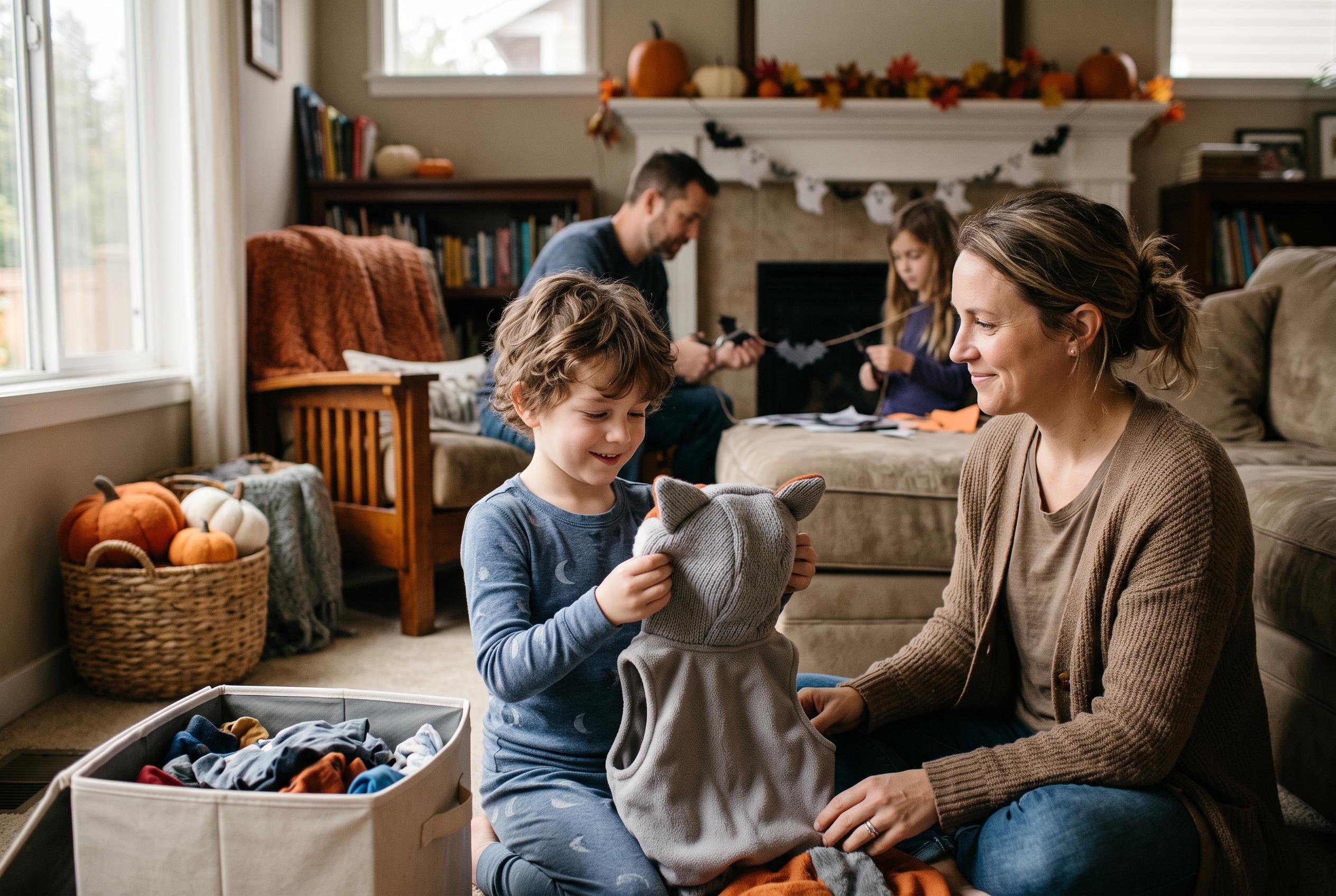
For many children, the biggest challenge is the costume itself. Fabric texture, masks and unfamiliar accessories can all feel unsettling, so experts recommend letting children help choose what they wear and allowing them to try items out before Halloween arrives. A favourite T-shirt, soft clothing or a simple themed accessory may be enough. Several specialist sources also advise introducing costume elements gradually and, where masks are involved, showing children the face behind the disguise so they can connect the costume with something familiar. The key is to avoid forcing participation before a child is ready.
Sensory overload is another common hurdle. Flashing decorations, loud sounds, crowds and unexpected visits can quickly become too much for children who are sensitive to noise or busy environments. The guidance recommends planning shorter outings, visiting familiar streets earlier in the evening and bringing along comfort items such as headphones or a preferred toy. Adults should watch for early signs of distress, including restlessness, ear-covering or withdrawal, and be ready to leave or pause if needed. A calmer, shorter experience is often more valuable than a longer one that leaves a child overwhelmed.
Predictability can make a major difference for children who struggle with change. The supporting articles suggest explaining Halloween in advance, using pictures or simple stories to show what may happen and rehearsing trick-or-treating through play. Families can practise knocking on a door, saying “trick or treat” and receiving sweets, if that is part of their celebration. Keeping familiar routines, such as meals, rest and bedtime, can also help children feel secure. Clear expectations about where the family is going, how long they will stay out and when they will return home can reduce anxiety and make the night feel more understandable.
The wider lesson, echoed across the related advice, is that children should never be pushed into a version of Halloween that does not suit them. Not every child will want to wear a costume, walk up to strangers or take part in spooky activities, and that is entirely acceptable. Pumpkin decorating, autumn crafts, stories or a treasure hunt at home can offer the same sense of fun without the pressure. Parents are encouraged to acknowledge fear rather than dismiss it, to avoid comparing siblings or peers and to support each child’s preferred level of participation. When adults replace pressure with choice and uncertainty with preparation, Halloween can become not only safer, but more welcoming and memorable for children of all needs and temperaments.
Disclaimer: This content is for informational purposes only and is not intended to be a substitute for professional medical judgment, advice, diagnosis, or treatment.



