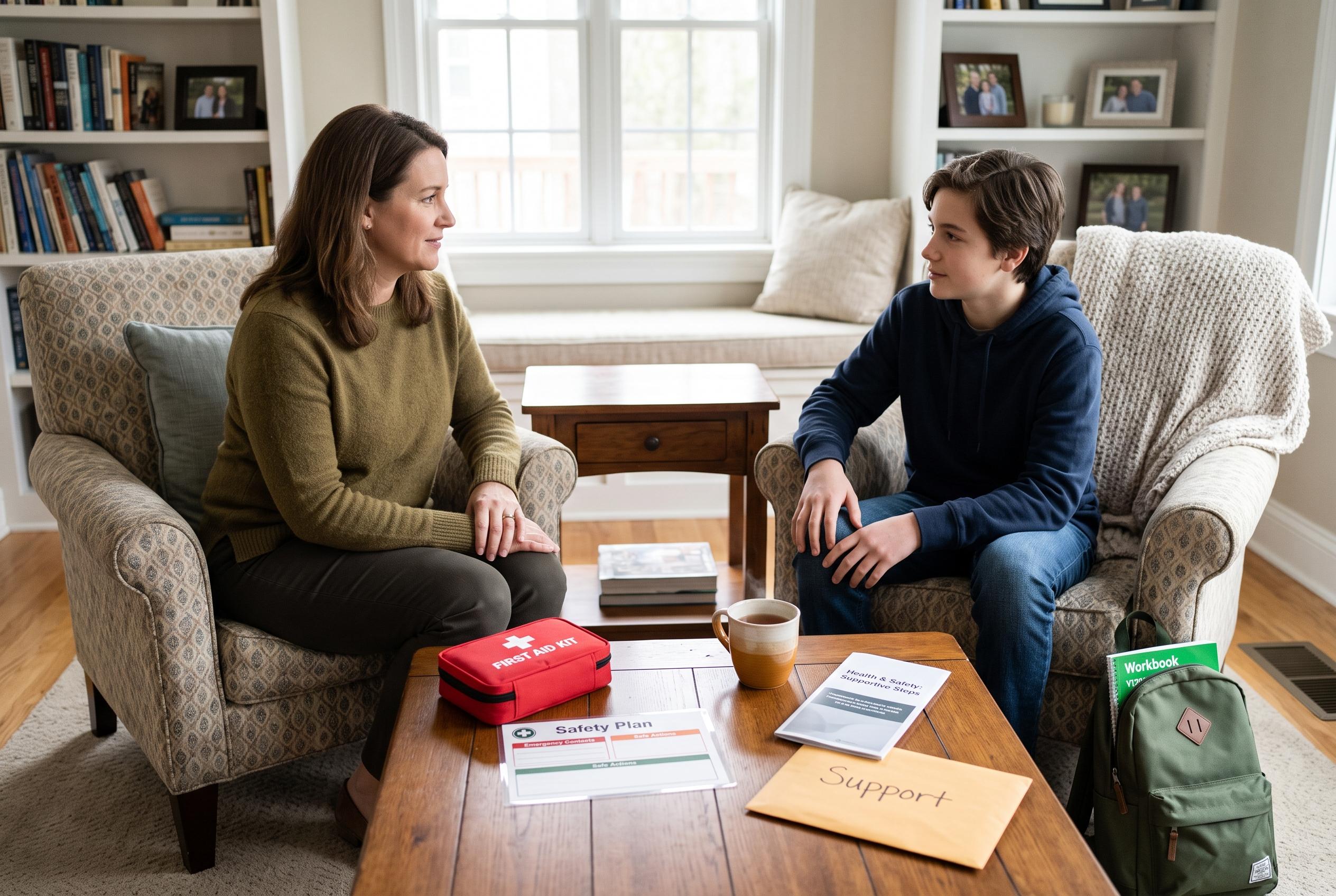

Parents are advised to maintain calm, foster open communication, and recognise warning signs when addressing potential drug or alcohol use in children, prioritising safety and support over confrontation.
If you suspect a child is using drugs or alcohol, the first step is to stay calm. Fear is a natural reaction, but panic can make it harder to notice what is actually happening. Many warning signs, including mood changes, tiredness, secrecy or falling school performance, can also be linked to stress, bullying, mental health problems or ordinary adolescent change.
Parents are often advised to look for patterns rather than one-off incidents. Repeated changes in sleep, appetite, friends, money use, appearance or attendance at school matter more than a single unusual episode. The CDC says it helps to prepare before speaking, create a safe setting and aim for an honest, open conversation rather than a confrontation.
When you do talk, timing matters. A private, calm moment is far better than a heated argument or a discussion in front of siblings or friends. SAMHSA says a strong, open relationship is one of the most important protections during the teenage years, and that parents who talk early and often about substance use are better placed to influence safer choices.
The tone should be direct but gentle. Instead of accusing a child of drug use, it is usually better to describe what you have noticed and explain why it worries you. MedlinePlus recommends keeping conversations short, informal and repeated over time, with a clear message about your concerns and a willingness to listen.
If a child admits to using substances, the priority is safety, not punishment. Ask what they have taken, how often, who they have been with and whether they have felt pressured. The Office of Disease Prevention and Health Promotion says parents should also be ready to explain risks clearly and help children practise how to say no to peer pressure.
Some situations need urgent action. Emergency help is needed if a child is unconscious, struggling to breathe, fitting, hallucinating, overheating or cannot be woken. It is also important to involve a GP, school safeguarding lead or local youth drug and alcohol service if there are concerns about exploitation, violence, self-harm or pressure from older peers. As the Kids Mental Health Foundation notes, substance use can be tied to anxiety, grief, trauma, loneliness or family conflict, so support should address the wider picture as well.
Disclaimer: This content is for informational purposes only and is not intended to be a substitute for professional medical judgment, advice, diagnosis, or treatment.