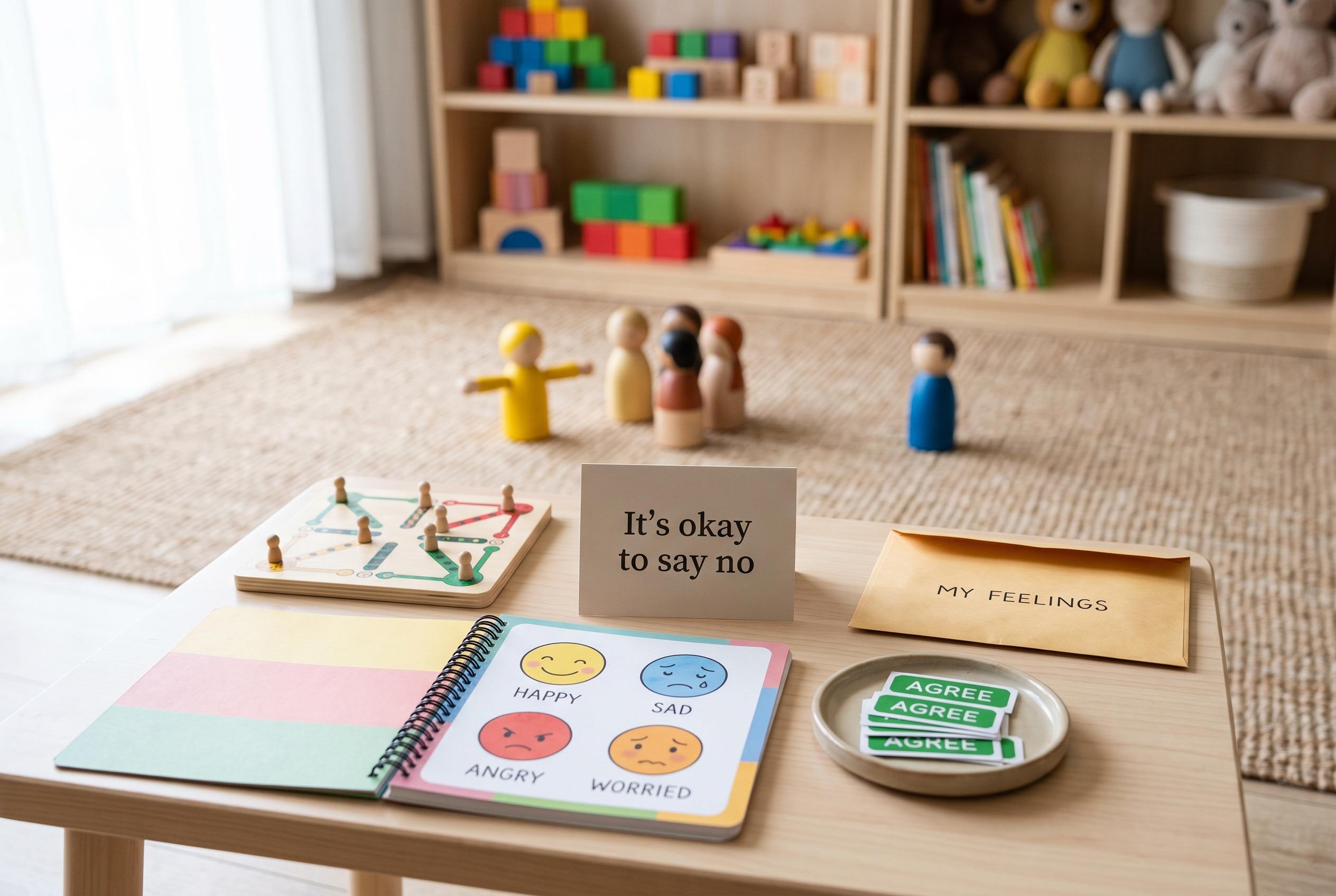

Excessive emphasis on politeness and agreement in upbringing may mask underlying emotional insecurities, with recent research highlighting how certain parenting patterns influence a child’s ability to manage feelings and assert boundaries.
A child who is polite, accommodating and eager to keep everyone happy is not necessarily emotionally secure or especially adept at managing feelings. In some cases, that outwardly pleasant behaviour masks a deeper pattern: anxiety about rejection, a reluctance to set limits and a habit of treating other people’s comfort as more important than one’s own.
That pattern can begin at home. Development research has long shown that parenting style matters, with warm, consistent and clearly communicated expectations tending to support confidence, resilience and self-regulation. By contrast, harsh, controlling or emotionally distant caregiving can make children more likely to become anxious, submissive or overly focused on pleasing others in order to feel safe.
One common route is a household in which being agreeable is valued above all else. Children may repeatedly hear that they should not upset others, should always give way and should avoid disagreement. Those lessons can be useful in teaching manners, but when they are emphasised too strongly, a child may absorb the idea that other people’s feelings matter more than their own. Over time, that can make it difficult to assert boundaries, object to unfair treatment or simply say no.
A similar dynamic can emerge when parents are controlling or quick to anger. If a child learns that disagreement leads to shouting, punishment or disapproval, they may start reading adult moods constantly and adjusting their own behaviour to prevent conflict. What looks like maturity can actually be a survival strategy. Later in life, that child may carry the same reflex into friendships, romantic relationships and work, focusing first on what others want rather than on personal needs.
Emotional neglect can have a comparable effect. When children are ignored, dismissed or left to cope alone, they may blame themselves for the distance and assume they need to become easier to manage in order to be loved. Research on parental influence on emotional development suggests that warmth and responsiveness help children understand and regulate feelings, while conditional approval and psychological control can undermine autonomy and increase vulnerability. In practice, that can produce adults who apologise too quickly, avoid conflict and feel uneasy when they are not useful to others.
Constant criticism and comparison can deepen the problem. A child who is told that an achievement is never quite good enough may grow up believing that approval must be earned repeatedly and can be withdrawn at any moment. That helps explain why some adults become highly sensitive to praise or disapproval and work hard to please others as a way of proving their worth. Studies of parenting styles and child development consistently point to the value of balanced expectations: enough structure to guide behaviour, but enough warmth to support self-respect.
There is also a difference between kindness and self-erasure. A child who has been bullied, excluded or rejected may become especially alert to social cues and overcompensate by being agreeable and easygoing. Yet a person who never complains, never refuses and never protects their own interests may not be especially emotionally intelligent. They may simply have learned that keeping the peace feels safer than being honest. What children need most is not training to win universal approval, but guidance that helps them be considerate without disappearing into other people’s expectations.
Disclaimer: This content is for informational purposes only and is not intended to be a substitute for professional medical judgment, advice, diagnosis, or treatment.