

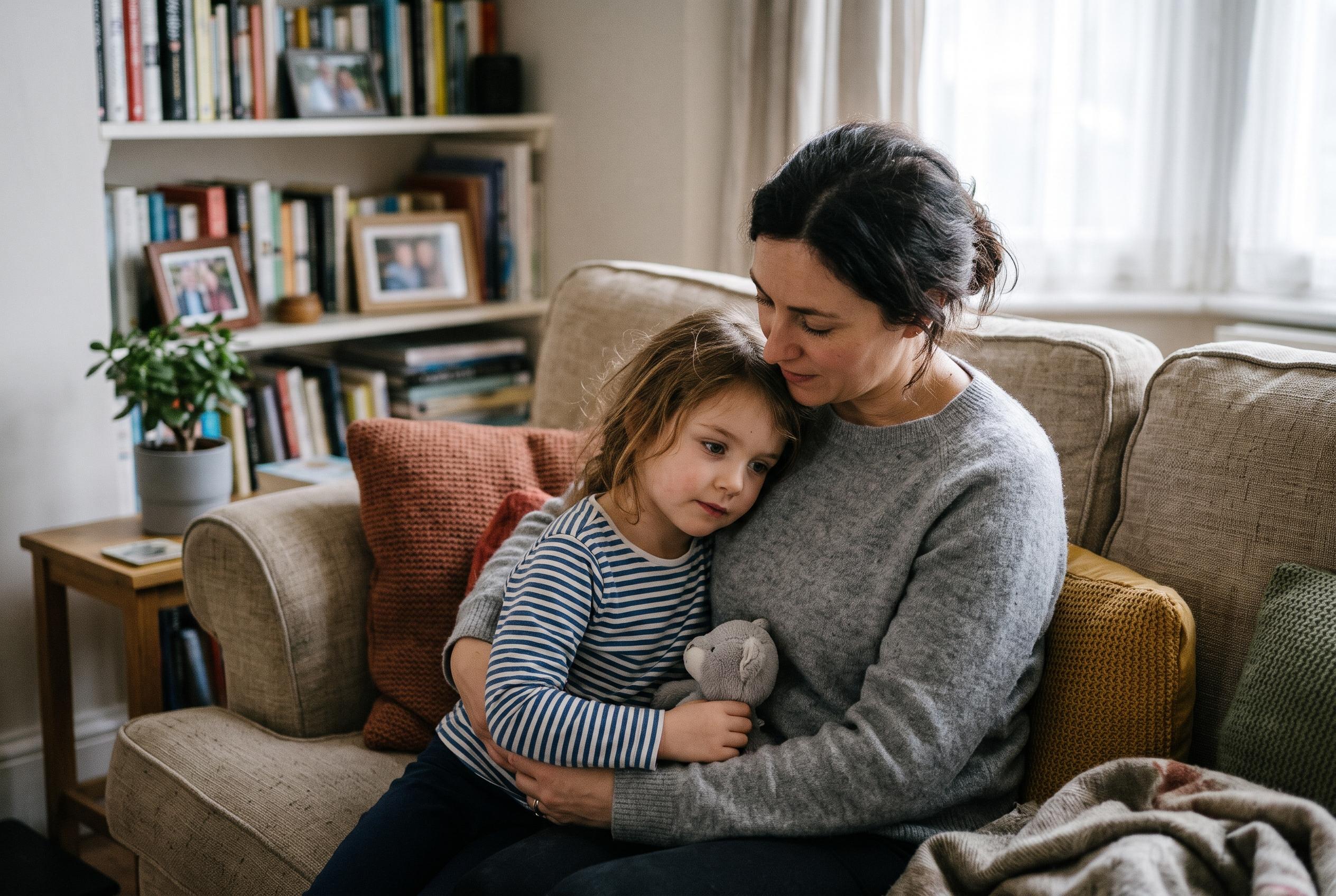

Children can absorb adults’ fear of military escalation through tone, routines and conversations, even when they do not understand the news. Experts explain the warning signs and how families can restore a sense of safety.
In homes where adults are glued to breaking news, scrolling through analysis and worrying about what comes next, children are often absorbing the atmosphere long before they understand the facts. As fear about military escalation becomes part of daily conversation, the real question for families is not only how much distress parents feel, but how that distress reaches children and shapes their sense of safety.
Experts say children do not need to grasp the details of conflict to feel its effects. According to Psychology Today, they often pick up on tone, facial expressions and interruptions in ordinary family routines. The National Institute of Mental Health says children may sense stress in their environment even when they cannot explain why adults are anxious, while UNICEF notes that young people are especially sensitive to changes in the emotional climate at home. That means even a child far from any direct danger can still experience a kind of borrowed fear.
The signs are not always obvious. Some children ask repeated questions, cling more closely to parents or become unusually quiet. Others show their distress through sleep problems, nightmares, difficulty concentrating, bed-wetting, nail-biting or irritability. The National Institute of Mental Health, the Centres for Disease Control and Prevention and the American Psychological Association all say anxiety in children can appear as changes in behaviour, emotional withdrawal or physical complaints, and that these reactions should be watched for if they persist or intensify.
Simply turning off the television is not enough. Children may hear fragments of alarming news from classmates, social media or adult conversations, and without a clear explanation they may imagine something worse than the truth. Experts from UNICEF and the APA recommend giving children age-appropriate information, answering questions honestly but simply, and keeping routines as steady as possible. That includes regular meals, sleep and play, as well as avoiding frightening discussions in front of them. Parents are also advised to manage their own reactions, because children often mirror the emotional state of the adults around them.
What matters most is reassurance without dismissal. Telling a child there is nothing to worry about may shut down the conversation rather than ease the fear. It is better to acknowledge that the child’s feelings are real, invite more questions and remind them that they are not alone. If anxiety becomes severe, lasts for a long time or begins to interfere with sleep, school, play or family life, the NIMH, CDC and UNICEF all advise seeking help from a mental health professional. In times of uncertainty, families may not be able to control the world outside, but they can still protect the emotional space inside the home.
Disclaimer: This content is for informational purposes only and is not intended to be a substitute for professional medical judgment, advice, diagnosis, or treatment.



