

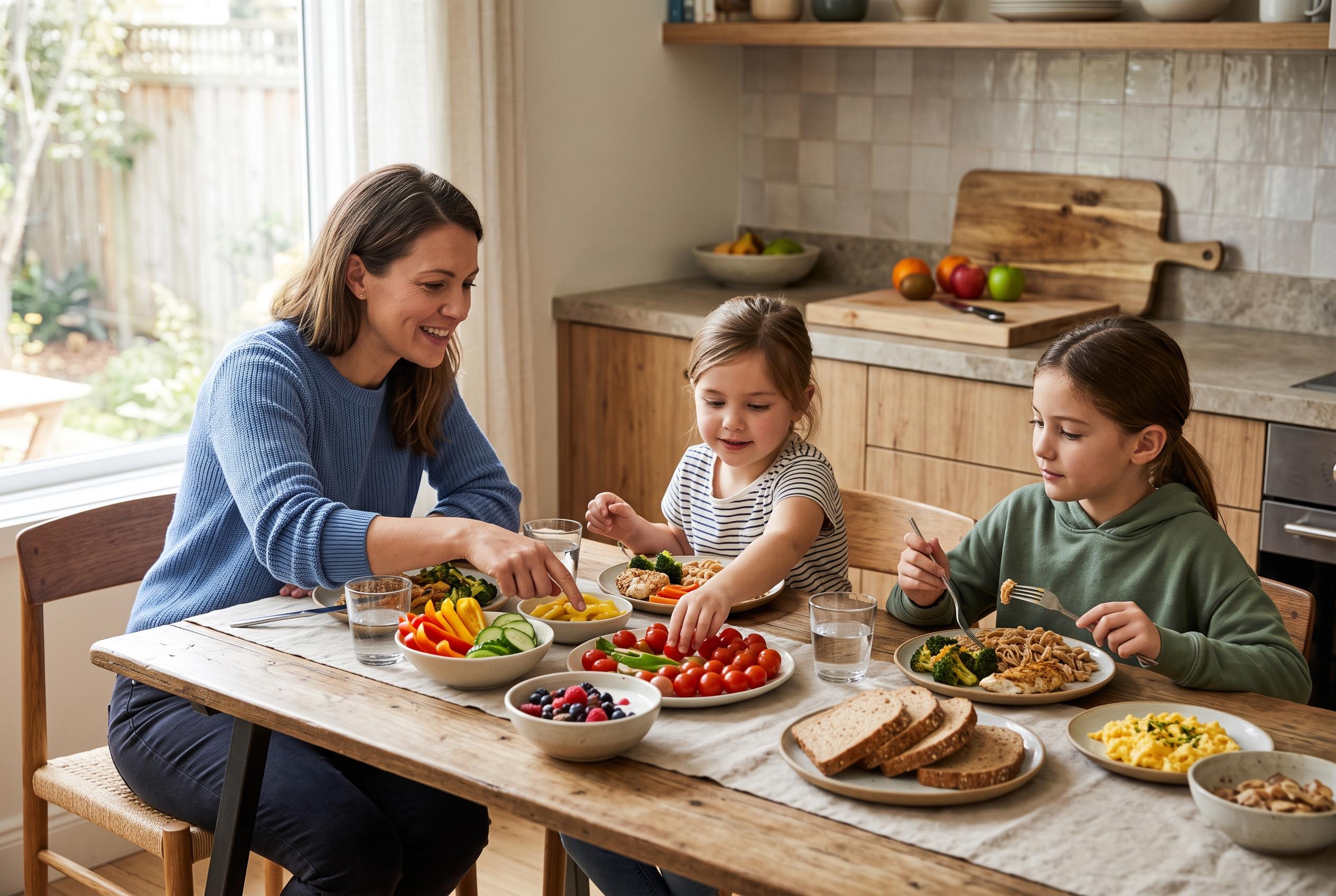

Experts advocate that fostering balanced eating habits in children hinges on guidance rather than control, emphasising repetition, positive language, and involving children in meal choices to build lasting healthy relationships with food.
Teaching children to eat well is less about control than guidance. Nutritionist Isabella Trejo and psychologist Natalia Sandoval argue that adults should decide what food is available, when it is served and where it is eaten, while children should be allowed to decide whether they eat and how much. That approach, they say, helps preserve structure without turning meals into a battleground.
The reason matters. Forcing a child to finish everything on the plate can teach them to ignore fullness and eat to please others rather than to respond to hunger. Healthline notes that this can weaken a child’s ability to recognise natural appetite cues. Sandoval also warns against using sweets, cakes or fast food as rewards, because that can make those foods seem more valuable while turning other foods into a chore.
Experts cited by Prensa Libre say the better path is repetition without pressure. If a child rejects a food, parents can offer it again later in a small portion and in a calm setting. The American Academy of Pediatrics recommends regular meals, family dining and steady routines, while UCSF Benioff Children’s Hospitals advises that mealtimes should stay focused on eating rather than discipline or conflict.
Language also shapes habits. The Utah health article advises parents to avoid calling foods “good” or “bad”, because that can create guilt or shame. Instead, adults can explain that some foods, such as fruit and vegetables, help give energy and nutrients, while other foods are enjoyed in smaller amounts. The point is not to ban anything, but to give children a clearer sense of balance.
Involving children can make that lesson more lasting. Healthy Children suggests letting them help plan meals, while UCSF and other paediatric guidance recommend simple tasks such as choosing fruit, washing vegetables or helping to serve food. According to Prensa Libre, children who see adults eating a varied diet, speaking respectfully about their bodies and enjoying food without punishment are more likely to develop the same habits. Over time, that can help them build a healthier relationship with food that lasts beyond childhood.
Disclaimer: This content is for informational purposes only and is not intended to be a substitute for professional medical judgment, advice, diagnosis, or treatment.



