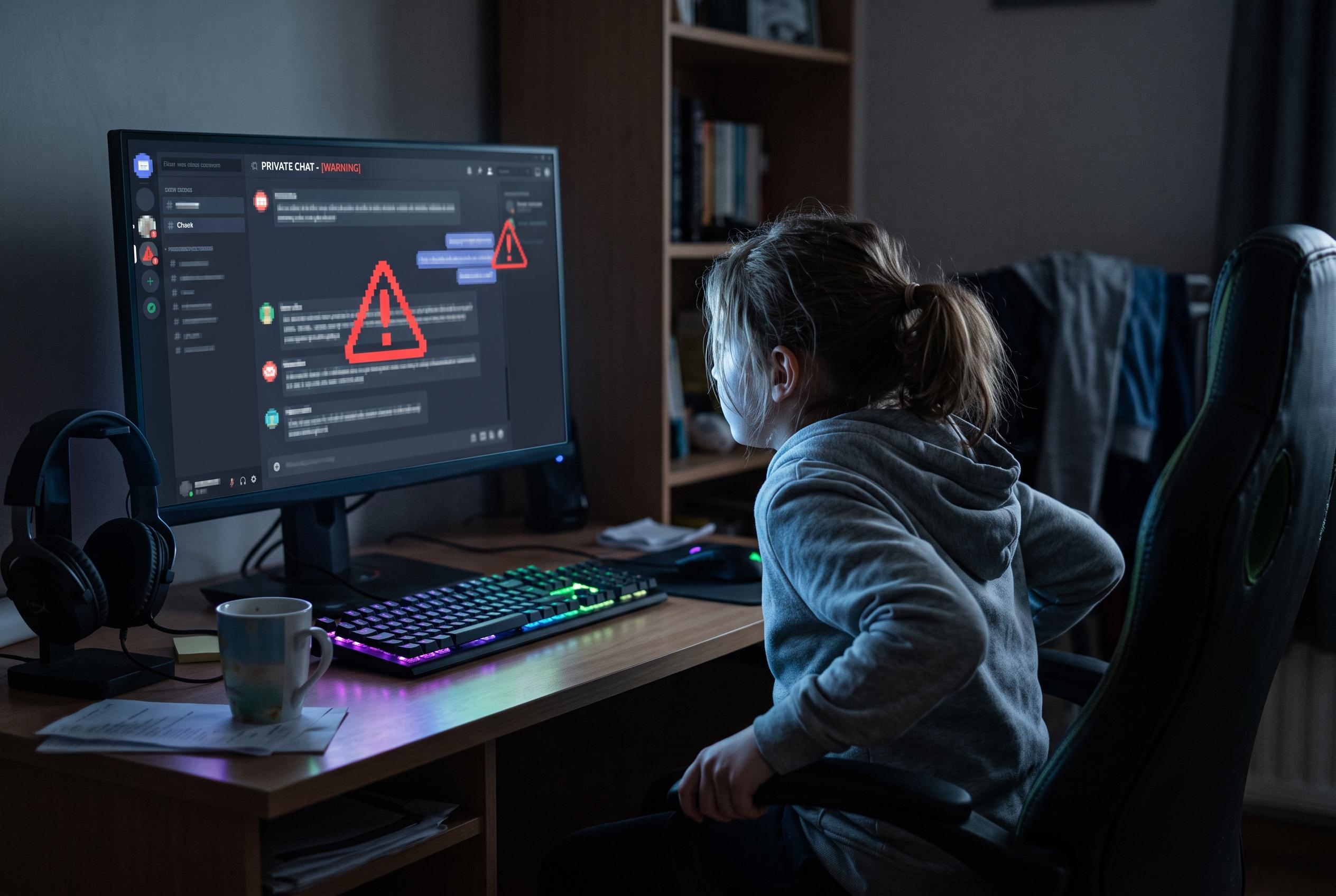

Law enforcement agencies highlight a disturbing rise in online child sexual exploitation, with minors increasingly vulnerable to sextortion tactics via gaming chats and social media, prompting urgent calls for parental awareness and action.
Online child sexual exploitation can begin in places parents may regard as harmless, from gaming chats to social media direct messages, and the consequences can be devastating. A cautionary example comes from Liam, who described how an online friendship built through gaming gradually turned into coercion after he sent intimate images and the other person began demanding more, then threatening to expose him when he refused. His account, shared through A21 and highlighted by Movieguide, reflects a pattern law enforcement agencies say is increasingly common.
The FBI says sextortion usually involves an offender pressuring a minor to produce explicit material and then using threats to force compliance, often after initial contact on gaming platforms or social media. In a public warning, the bureau said these schemes may begin with an offender posing as a peer, building trust and then turning manipulative. The Department of Homeland Security has also stressed that child sexual exploitation and abuse now includes tactics such as catfishing and the use of artificial intelligence to create sexualised material involving minors.
The scale of the problem appears to be growing. The Department of Homeland Security says reports of online child sexual exploitation and abuse have risen sharply over the past three years, while the Crimes Against Children Foundation has said one in five teenagers has experienced sextortion. The FBI has separately warned that financial sextortion, in which offenders demand money or gift cards to keep images private, is increasingly targeting boys aged 14 to 17.
Experts say the first response from parents matters. The Internet Watch Foundation advises families to avoid blame, to speak calmly and honestly and to reassure children that the aim is support rather than punishment. The FBI likewise urges parents, teachers and caregivers to talk early about online risks and to report incidents to local authorities or federal investigators. Liam’s experience, painful as it is, underlines that asking for help can be the step that stops the abuse from getting worse.
Disclaimer: This content is for informational purposes only and is not intended to be a substitute for professional medical judgment, advice, diagnosis, or treatment.