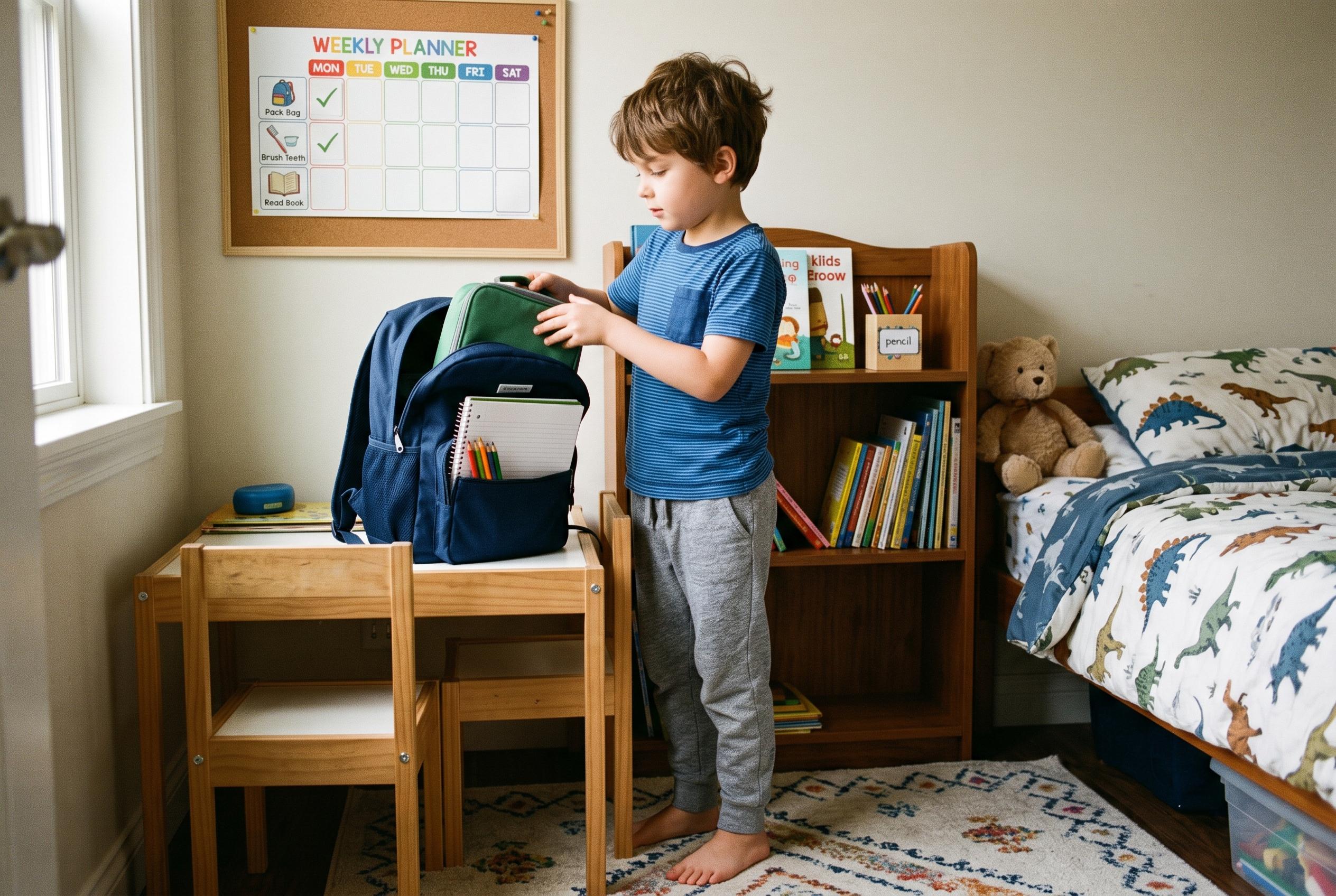

Psychologist Evgenia Arutyunyan recommends a three-week gradual shift in sleep and routines to ease children into the new school year, emphasising emotional and academic preparation over last-minute cramming.
August is the month when many parents are buying uniforms and school supplies, but clinical psychologist Evgenia Arutyunyan says the most important preparation for the new term is not in the pencil case. Speaking to AIF Zdorovye, Arutyunyan argued that the best way to ease children back into school is to restore routines gradually over about 3 weeks, rather than trying to force an abrupt return to early starts and heavy study.
Her first recommendation is to reset sleep. Children often drift later during the holidays, and a sudden change back to term-time hours can leave them tired, distracted and less able to concentrate. Arutyunyan advises moving bedtimes and wake-up times earlier step by step, while also using morning daylight and reducing bright evening light and screen use to help the body’s internal clock settle. Other school psychology guidance also stresses beginning this transition at least 2 weeks before classes resume.
Arutyunyan says age matters when it comes to rest: children aged 6 to 12 need 9 to 12 hours of sleep a night, while teenagers need 8 to 10 hours. That, she says, supports both concentration and emotional stability. The broader point is to keep summer from becoming either a complete break from structure or a crash course in next year’s syllabus.
Instead of trying to cover an entire grade level in advance, she recommends short, spaced study sessions with regular recall, a method that helps children retain information more effectively. She also says parents should watch for signs that a child is tiring, such as more mistakes, irritability and wandering attention, and stop for a break before frustration takes over. Similar back-to-school advice from school psychology specialists in the United States also emphasises routine, healthy habits and time for social adjustment.
Where there are gaps in learning, Arutyunyan says the first step is diagnosis rather than more of the same homework. A child may be struggling because they do not know the material, do not understand the wording of problems or feel anxious. Once the cause is clear, targeted help, including a tutor if needed, is more effective than repeating undifferentiated lessons.
She also places weight on emotional readiness. Parents should talk through the school day in advance, prepare a study space, walk the route to school and ask what specifically is worrying the child. In her view, naming fears makes them easier to manage. The goal, she says, is not only academic readiness but a child who reaches September rested, calmer and better prepared to cope with pressure.
Disclaimer: This content is for informational purposes only and is not intended to be a substitute for professional medical judgment, advice, diagnosis, or treatment.