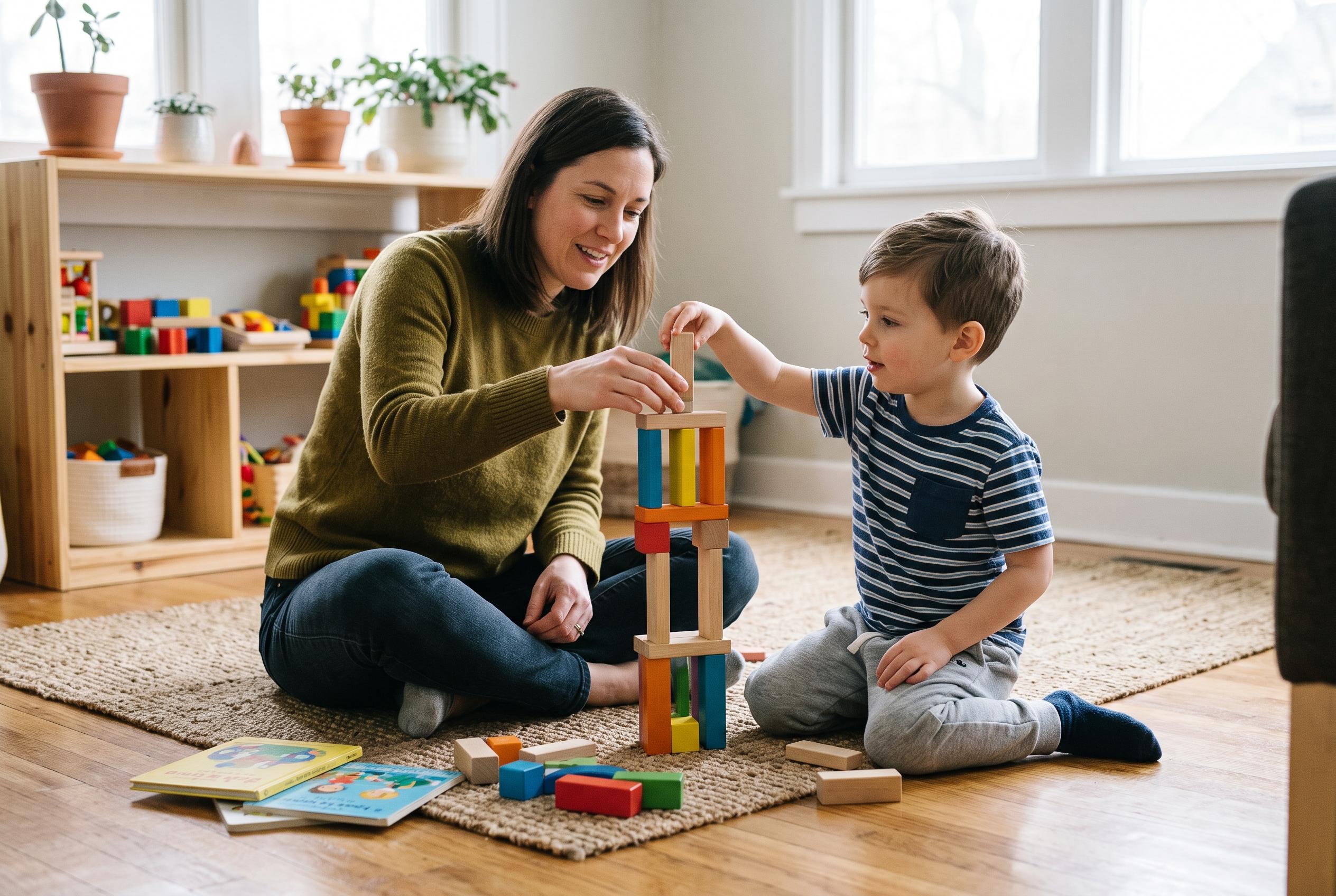

New insights highlight that resilience in children stems from stable relationships and skill-building, rather than shielding them from difficulties, emphasising the role of supportive environments in fostering adaptation and confidence.
Raising a resilient child is less about removing obstacles than about giving children the support to meet them. The idea, as outlined by the Harvard Centre on the Developing Child, is that resilience is learned over time through stable relationships, practice and a supportive environment rather than something children are simply born with. That matters because the everyday disappointments of childhood, from lost friendships to poor marks, can either become turning points for growth or reasons to shut down.
Psychologists generally describe resilience as the capacity to adapt in the face of stress, adversity or trauma and then regain a sense of balance. Research reviewed in PubMed also suggests it is shaped by multiple layers of influence, including a child’s own emotion regulation and thinking skills, as well as the quality of family, school and community relationships. In other words, resilience is not toughness in the old-fashioned sense. It is flexibility, recovery and the confidence that setbacks can be managed.
That distinction helps explain why overprotecting children can backfire. When adults step in too quickly to remove every difficulty, children miss the chance to practise coping, problem-solving and persistence. The article’s advice to let children wrestle with manageable struggles, while remaining nearby and emotionally available, aligns with research showing that supportive caregiver relationships are central to resilient outcomes. Just as important is the tone adults use: validating a child’s feelings before offering solutions helps them learn that distress is tolerable and temporary.
Practical resilience-building starts early and can be folded into ordinary routines. Children benefit from clear expectations, age-appropriate responsibilities and chances to make decisions, because those experiences build a sense of competence. Harvard’s guide stresses that protective relationships work best when paired with active skill-building, while a review of studies on children facing social adversity found that cognitive skills, emotion regulation, school engagement and community support all play a part. Schools and wider communities therefore matter too, not just parents, because resilience is strengthened by the systems around a child.
Sensitive and anxious children may need a slower, more graduated approach, but the goal is the same. Rather than avoiding every uncomfortable situation, adults can break challenges into smaller steps, normalise strong emotions and celebrate small acts of courage. Research on resilience has also increasingly focused on how context shapes thriving under pressure, suggesting there is no single formula that works for every child. What remains consistent is the value of steady adults who stay close, model calm problem-solving and trust a child’s ability to recover. Over time, that trust becomes the child’s own.
Disclaimer: This content is for informational purposes only and is not intended to be a substitute for professional medical judgment, advice, diagnosis, or treatment.