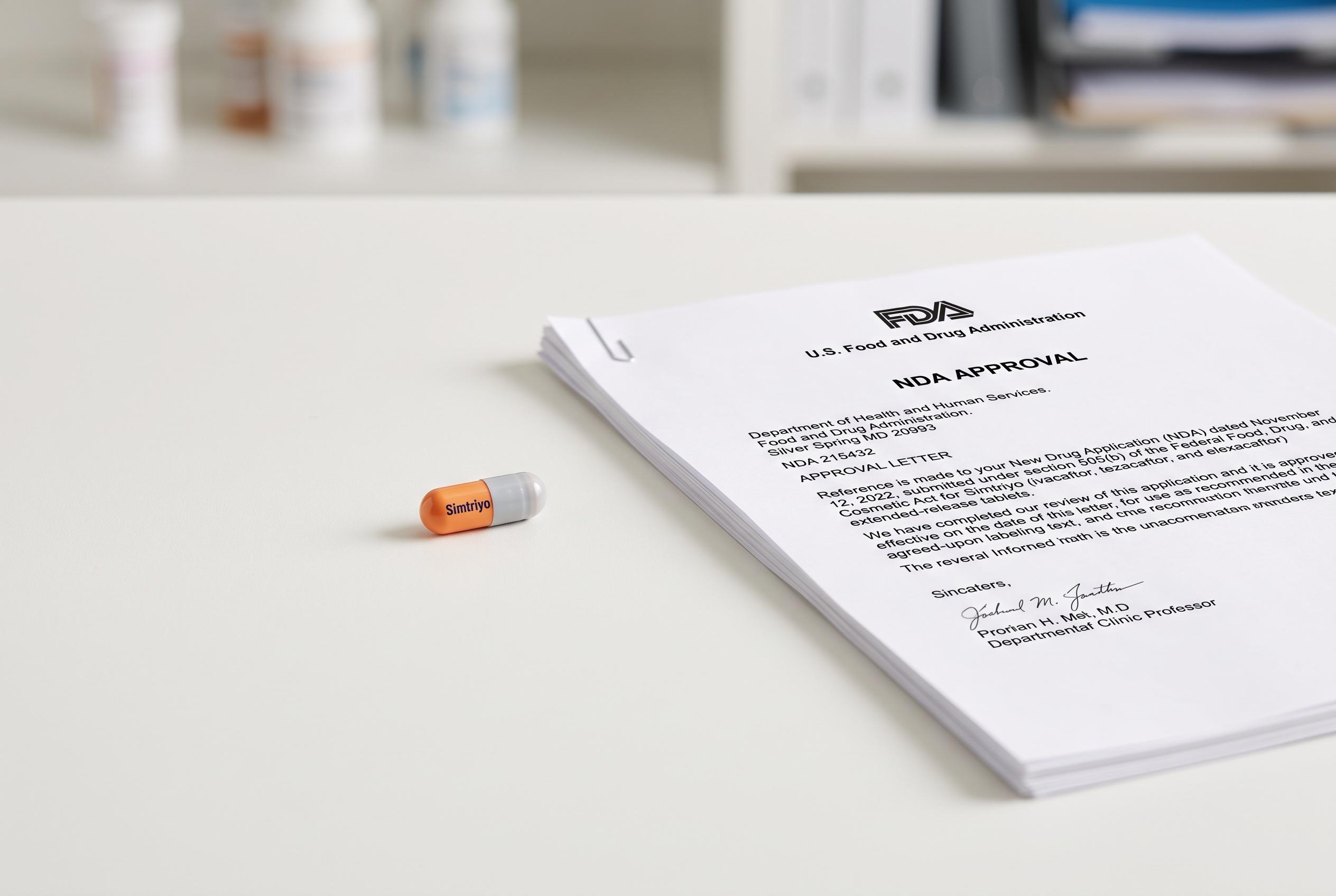

The US Food and Drug Administration has approved Simtriyo, a novel extended-release capsule by Otsuka Pharmaceutical, offering a new mechanism for treating attention-deficit hyperactivity disorder in patients aged 6 and over, amid warnings for potential misuse and side effects.
The U.S. Food and Drug Administration has approved Simtriyo, Otsuka Pharmaceutical’s once-daily extended-release centanafadine capsule, for attention-deficit hyperactivity disorder in adults and children aged 6 and over who weigh at least 20kg, the company said. Otsuka said the medicine is the first approved norepinephrine, dopamine and serotonin reuptake inhibitor for ADHD, giving doctors a treatment that works through a different mechanism from older options.
The approval is based on four Phase 3 trials in adults and paediatric patients that, according to Otsuka, showed statistically significant and clinically meaningful improvements in ADHD symptoms versus placebo. The company said Simtriyo should reach the market later this year, once the US Drug Enforcement Administration has completed scheduling.
WebMD reported that Simtriyo is classified as a central nervous system stimulant, despite its distinct mechanism, and that its prescribing information carries boxed warnings for abuse, misuse and addiction, as well as suicidal thoughts and behaviour in paediatric patients. The same report said common side effects include skin rash, reduced appetite, nausea and headache, while children in studies experienced weight loss and slower growth over time.
The approval adds another option for a condition that can affect attention, behaviour, school performance, work and relationships across the lifespan. Clinical experts generally stress that ADHD treatment has to be individualised, because some patients respond well to existing medicines while others struggle with limited benefit or side effects. Otsuka said Simtriyo is not recommended for children younger than 6 or for those weighing under 20kg, and that it was designed to broaden the choices available to clinicians managing a highly variable disorder.
Disclaimer: This content is for informational purposes only and is not intended to be a substitute for professional medical judgment, advice, diagnosis, or treatment.