

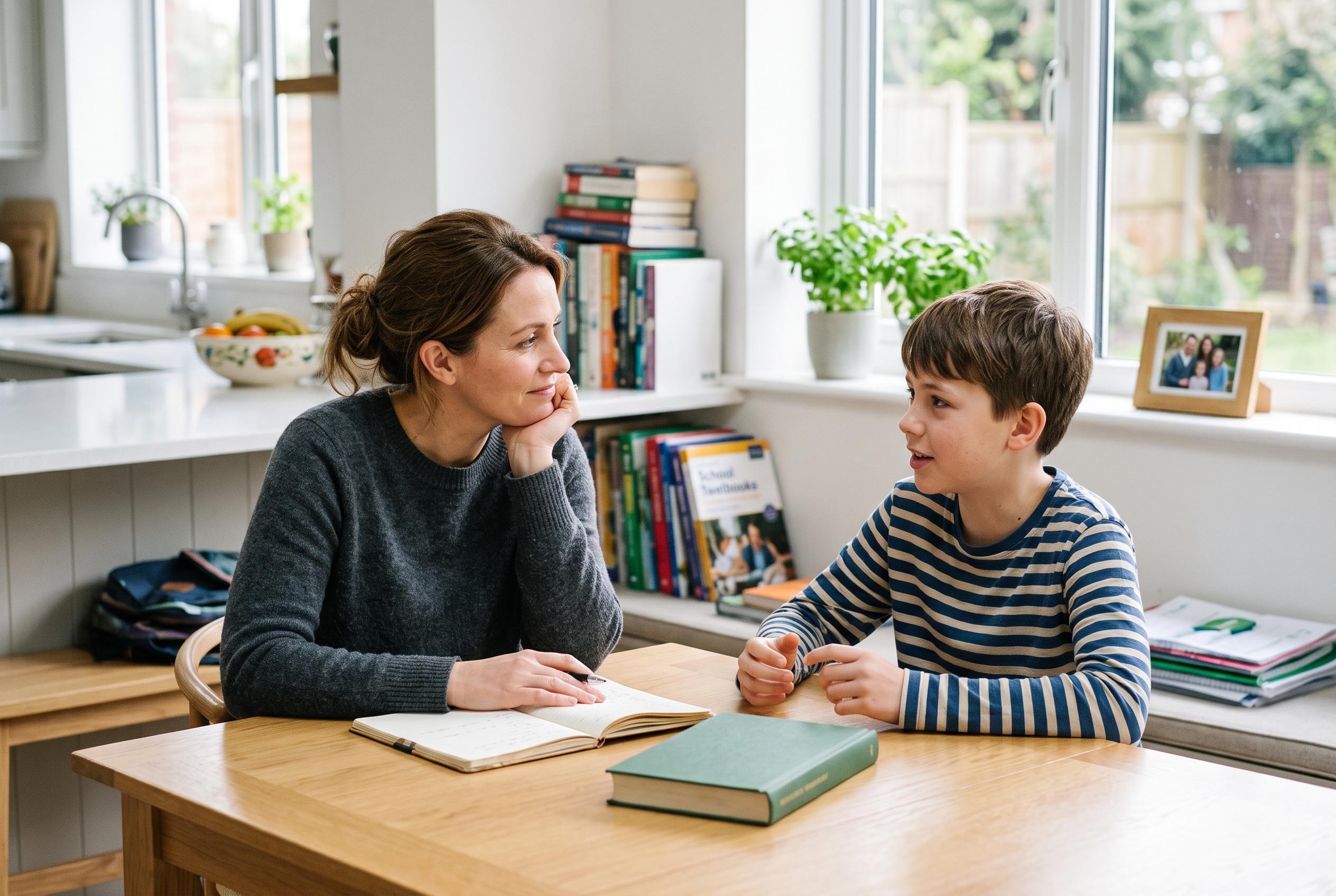

Psychologists and health organisations recommend that parents initiate ongoing, age-appropriate conversations about sex, emphasising honesty and trust to combat misinformation and confusion among children and teenagers.
Many parents put off talking to children about sex because they fear awkwardness, assume school will cover it, or believe the topic can wait until the teenage years. Yet children are already absorbing ideas about relationships, bodies and intimacy from friends, social media and the internet long before many adults feel ready to speak. The result, experts say, is often not innocence but confusion.
At a recent webinar, psychologist Muthoni Muriithi argued that silence in the home can make sexuality feel taboo, leaving children to conclude that they should not raise questions with their parents. She said young people are still curious, still developing and still looking for guidance, which makes it especially important for adults to stay approachable rather than distant or judgemental. Muriithi also warned that a household built on commands alone, without explanation, may teach obedience without understanding.
Her advice reflects broader guidance from paediatric and family health organisations, which say the sex conversation should begin early and unfold over time. The Mayo Clinic recommends using everyday moments to answer questions honestly and in a way that matches a child’s maturity, while HealthyChildren.org advises parents to use the correct names for body parts and keep responses simple for younger children. The common thread is clear: children do better when adults speak plainly, calmly and without shame.
Muriithi said parents should not assume that talking about sex encourages sexual activity. Instead, she argued, open conversation helps children make sense of physical changes such as breast development in girls and voice changes in boys, while also protecting self-esteem. When children feel embarrassed about their bodies or believe certain subjects are off-limits, they may become anxious, withdrawn or unwilling to share difficult experiences such as bullying, sexual harassment or exposure to pornography.
That is why, experts say, parents need to build trust before they expect disclosure. A child who feels safe is more likely to ask difficult questions and to speak up when something is wrong. Muriithi suggested that parents move away from lectures and towards conversation, using open-ended questions such as what young people are saying about relationships or what questions teenagers are too afraid to ask. Health guidance from Better Health Channel and the Child Mind Institute makes a similar point: the goal is not one difficult talk, but many smaller ones that grow with the child. In practice, that can start with something as simple as teaching children the correct names for their body parts and continuing from there as questions become more complex.
Disclaimer: This content is for informational purposes only and is not intended to be a substitute for professional medical judgment, advice, diagnosis, or treatment.



