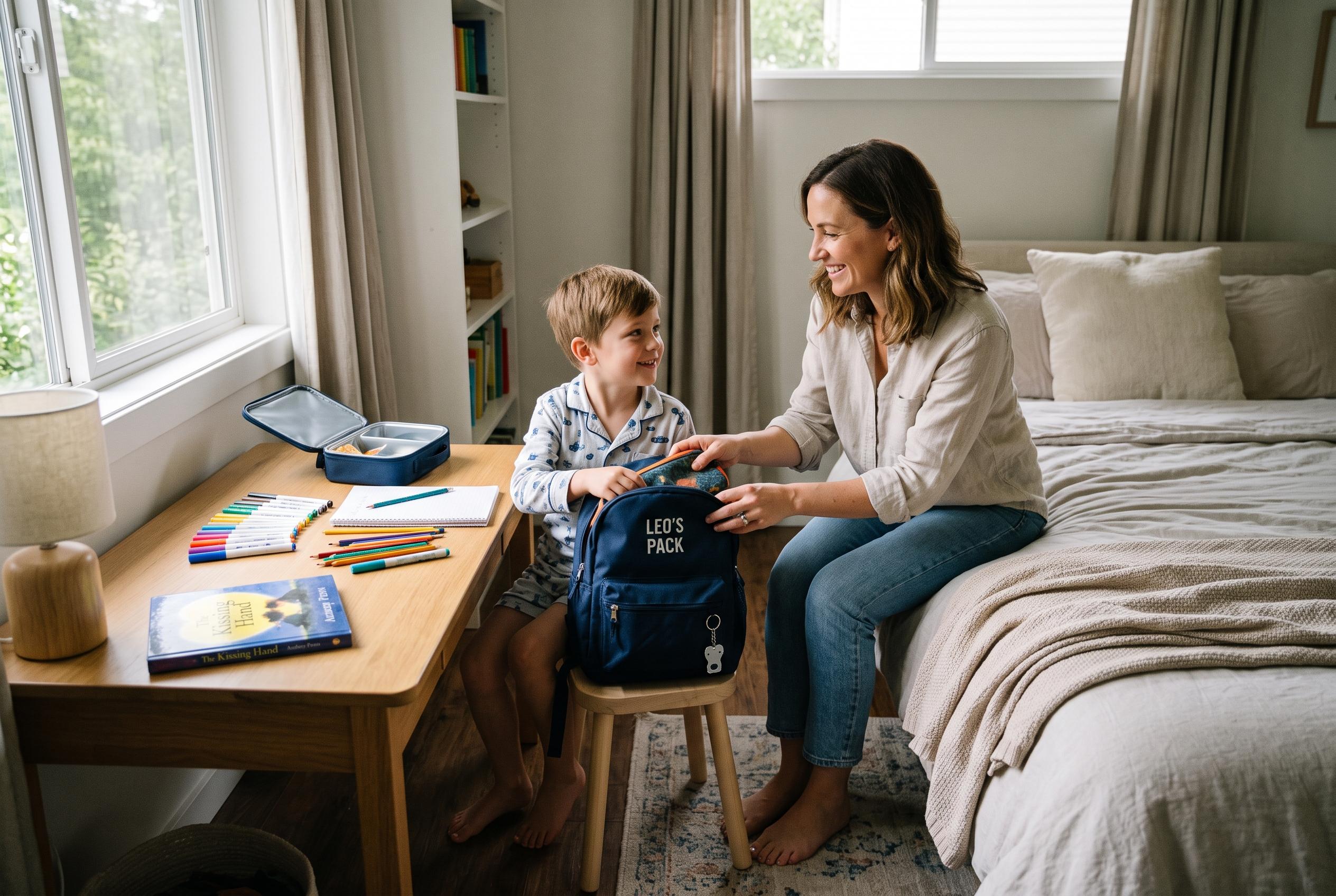

As children face the stresses of returning to school, experts offer fresh insights on easing anxiety, emphasising the importance of preparation, familiarity, and positive modelling to support young students’ mental wellbeing.
The start of the school year can trigger more than ordinary nerves for children and teenagers, with experts warning that the shift in routine can tip into anxiety that shows up in the body as much as the mind. Signs can include stomach aches, headaches, sleep problems and repeated requests for reassurance, according to guidance from Johns Hopkins Medicine, Harvard Health and the Kids Mental Health Foundation. They also note that when worry begins to interfere with attendance or day-to-day functioning, it may need more than reassurance alone.
Doctors and child mental health specialists recommend naming the fear rather than dismissing it. Talking through what is driving the worry can help children feel understood, while also making the problem seem more manageable. Johns Hopkins advises families to prepare for the return to school in practical ways, such as setting bedtimes earlier, laying out clothes in advance and rehearsing morning routines so the first day feels less unfamiliar.
Familiarity can also reduce dread. Harvard Health and Children’s Nebraska both suggest visiting the school before term begins, while Johns Hopkins recommends arranging time with familiar peers to ease social transitions. Experts also say parents should model calm behaviour, make sure children are eating well, sleeping enough and getting regular exercise, and look for moments to praise independent behaviour that builds confidence.
Dr Molly O’Shea, a paediatrician and American Academy of Pediatrics spokeswoman, said parents should be careful not to turn anxiety into a reason to stay home. “Any attendance is better than no attendance when it comes to school anxiety. And it’s so tempting as a parent to say, okay, we’ll take a mental health day today. And you’ll kind of gather your strength and be able to go again, go tomorrow, when actually that reinforces the anxiety and makes it even harder to go the next day,” O’Shea said. If symptoms continue for more than a few weeks, or if school refusal becomes a pattern, several experts advise involving a paediatrician, therapist or other mental health professional.
Disclaimer: This content is for informational purposes only and is not intended to be a substitute for professional medical judgment, advice, diagnosis, or treatment.