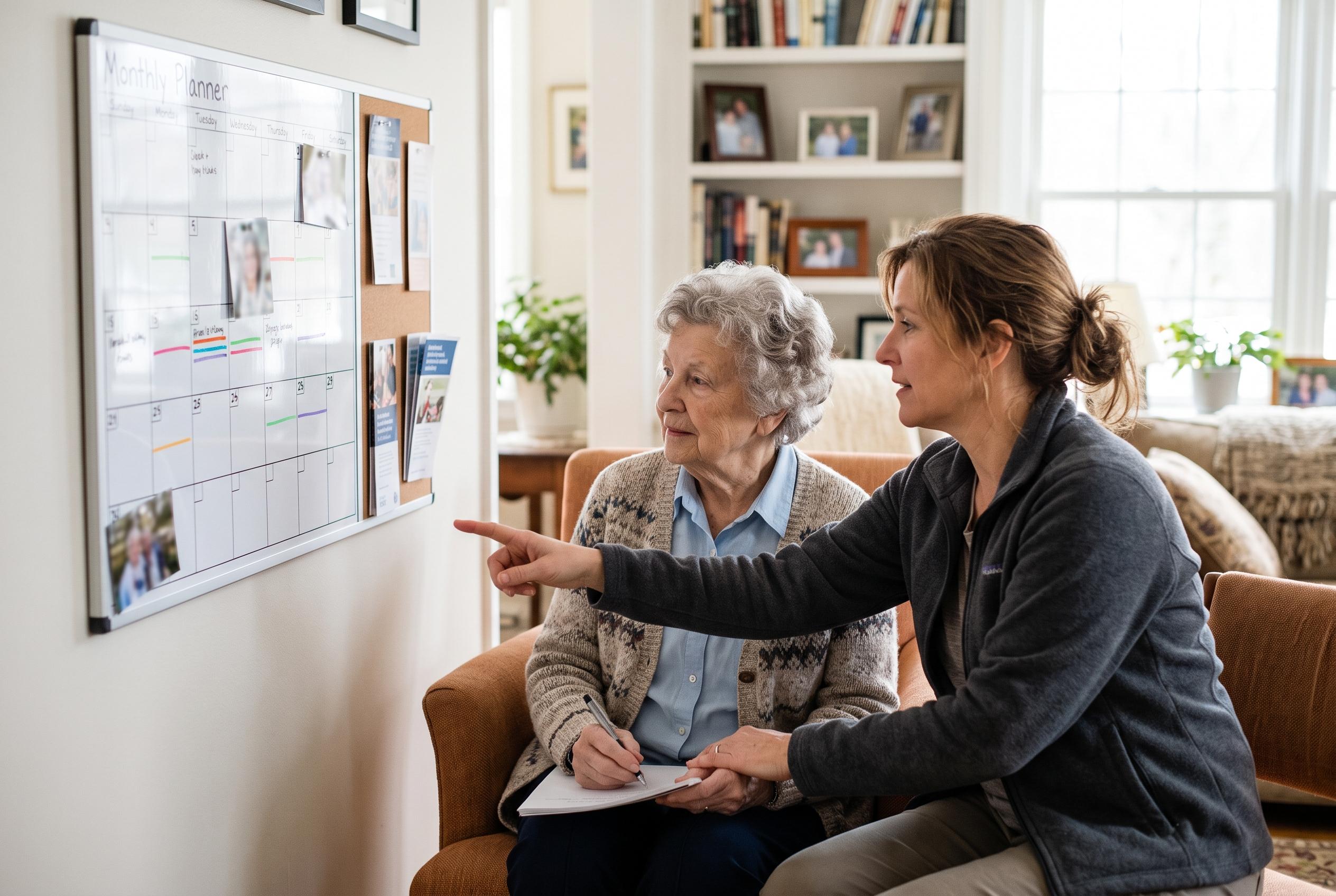

Public health agencies in the US emphasise that early planning and access to support are crucial for caregivers of those with dementia, highlighting strategies to manage daily tasks, safety, and caregiver wellbeing.
Caring for a parent or other loved one with dementia can be exhausting, but public health agencies say planning early and getting support can make a real difference. The Centers for Disease Control and Prevention says more than 11 million adults in the United States provide unpaid care for someone with dementia, and that caregivers face higher risks of anxiety, depression and poorer health than other family carers. That is why experts recommend treating caregiver health as part of the care plan, not an optional extra.
Specialists also urge families to prepare for the day-to-day realities of Alzheimer’s disease, which can affect memory, judgement and behaviour in ways that change over time. MedlinePlus advises caregivers to learn about the illness early so they can plan for future needs, while the National Institute on Aging says routines, clear communication and practical adjustments can help with bathing, dressing, grooming and other daily tasks. The institute also notes that familiar activities such as gardening, eating out or travelling may still be possible if they are adapted to the person’s abilities.
Safety is another major concern. The Alzheimer’s Association highlights wandering as a common challenge and recommends practical steps to reduce risk, including keeping a close eye on exits, using safety measures at home and knowing how to respond if a person becomes disoriented. The association also operates a 24-hour helpline that offers confidential support, crisis help and local resources in more than 200 languages, which can be especially valuable for families who suddenly find themselves overwhelmed.
Perhaps most importantly, caregivers are being urged not to isolate themselves. The CDC and the National Institute on Aging both stress the need for breaks, support groups and other forms of respite, with the NIA also encouraging carers to seek help before stress becomes a health problem. For many families, the hardest lesson is that good care for a person with dementia depends on keeping the caregiver well enough to keep going.
Disclaimer: This content is for informational purposes only and is not intended to be a substitute for professional medical judgment, advice, diagnosis, or treatment.