

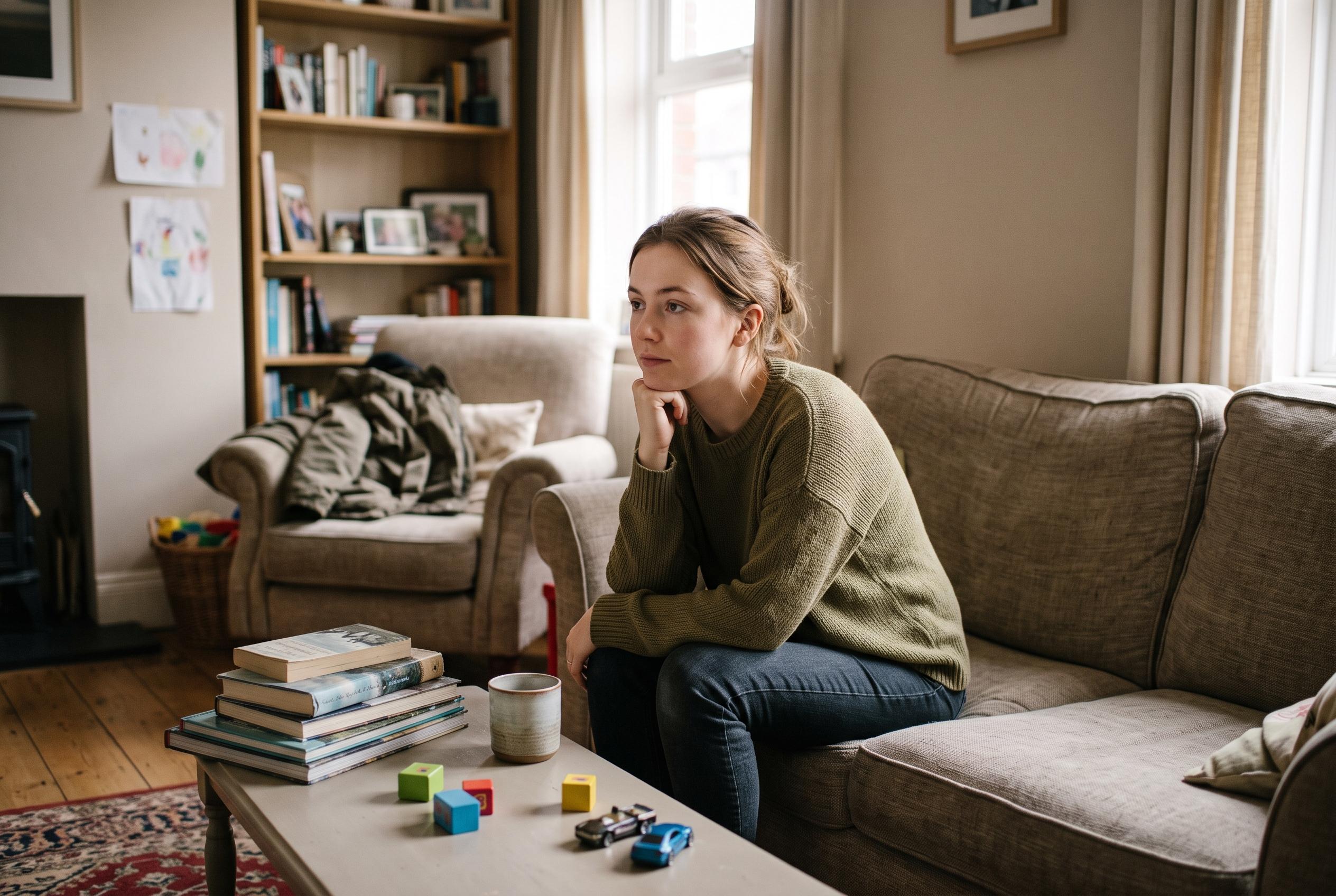

A Concordia-led study links low household organisation in childhood to heightened stress-hormone responses and greater depression and anxiety symptoms in early adulthood.
A long-running household pattern may shape mental health risk well into early adulthood for the children of parents with bipolar disorder, according to a Concordia-led study published in Psychoneuroendocrinology. The researchers found that young people who grew up in homes marked by low organisation and inconsistency were more likely to show a stronger cortisol awakening response years later, a biological marker linked to how the body handles stress. Those higher cortisol levels were also associated with more symptoms of depression and anxiety.
The study followed 132 young people, including 68 with a parent who had bipolar disorder and 64 whose parents had no history of an affective disorder. Families were assessed when the children were between four and 12 years old, with parents reporting on the level of structure, support and control in the home. Roughly 12 years later, the participants returned for saliva testing over three days and completed structured mental health assessments. The researchers say the pattern points to the importance of predictable routines and stable routines during childhood, especially in families already carrying elevated psychiatric risk.
The findings also add to a wider body of research suggesting that the stress system in bipolar disorder does not behave in a single, simple way. Earlier studies, including work published in journals indexed by PubMed and Springer, have reported both blunted and heightened cortisol awakening responses in people with bipolar disorder, depending on illness phase and other factors. Some studies have linked a flattened response to depressive episodes and greater perceived stress, while others have suggested an enhanced response may be present in some patients, underlining the complexity of the hypothalamic-pituitary-adrenal, or HPA, axis in this illness.
Mark Ellenbogen, the study’s lead author and a professor in Concordia’s psychology department, said the results suggest that genetics alone do not explain the higher risk faced by these children. He said stressful households, especially those affected by parental hospital admissions and high neuroticism, may alter stress-hormone regulation over time. The research team says its next step is a randomised controlled trial of a prevention programme called Reducing Unwanted Stress in the Home, or RUSH, aimed at families in which a parent has an affective disorder.
Disclaimer: This content is for informational purposes only and is not intended to be a substitute for professional medical judgment, advice, diagnosis, or treatment.



