

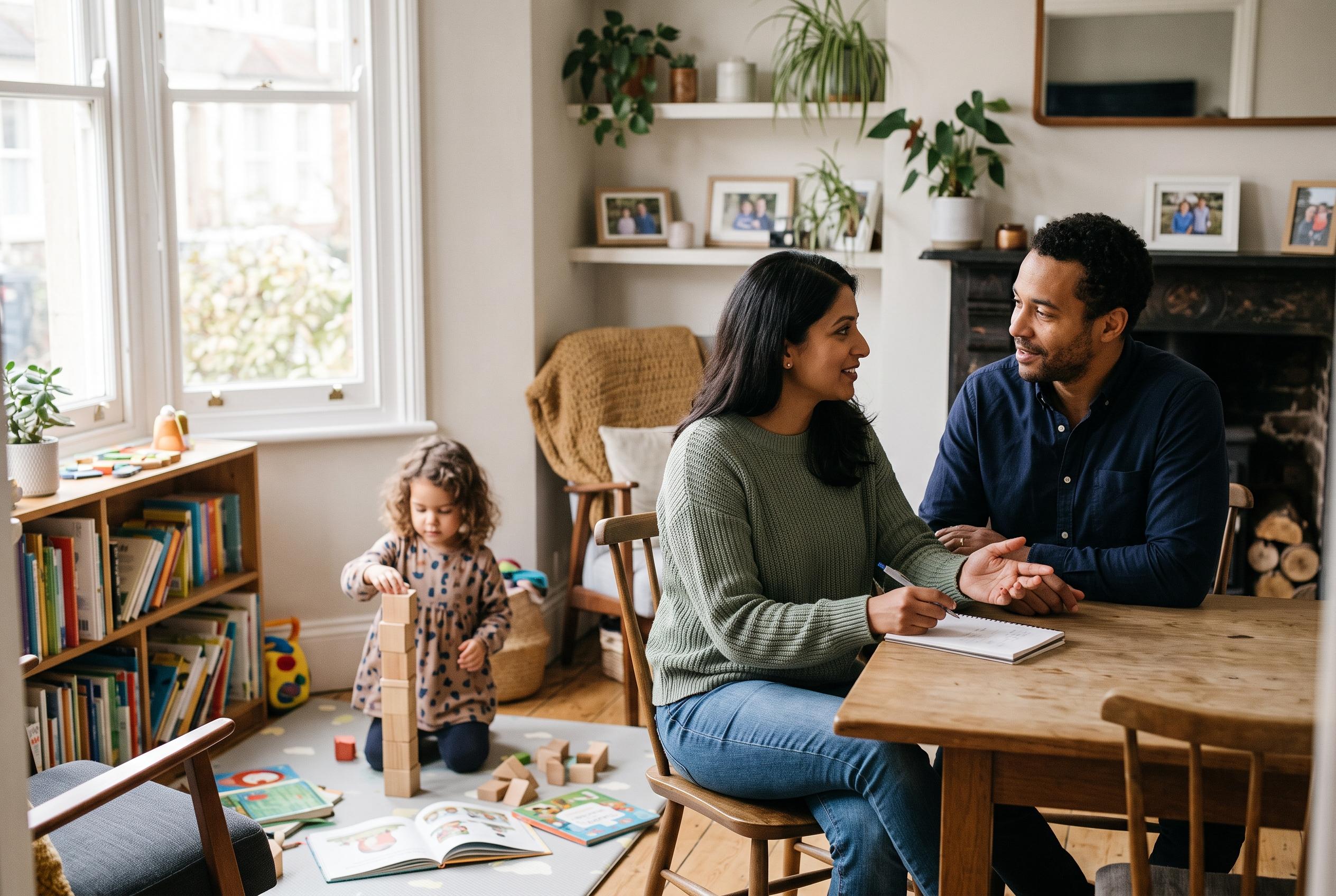

Parents do not need identical approaches to raise children well, but experts say shared goals, consistent boundaries and calm conflict resolution are crucial.
Parents do not have to approach child-rearing in exactly the same way for a household to function well. One adult may be firm about routines and limits, while the other is more relaxed about screen time, independence or chores. Psychologists say that variation is common because parents bring different temperaments, experiences and beliefs to the job, and it does not automatically mean children are at risk of harm.
Developmental research often groups parenting into four broad styles: authoritative, authoritarian, permissive and uninvolved. Authoritative parents combine warmth with clear expectations, explaining rules and encouraging independence. Authoritarian parents place greater emphasis on obedience and discipline. Permissive parents are affectionate but set fewer limits, while uninvolved parents provide little guidance or emotional support. The American Psychological Association says the authoritative approach is generally linked with the strongest child outcomes.
Even so, the fact that two parents differ in style is not, by itself, a problem. As The Conversation reports, children can benefit from having one parent who brings structure and another who is more spontaneous or playful. What tends to matter more is how disagreements are handled. When adults listen to each other, compromise and resolve differences calmly, children can learn useful ways to manage conflict themselves.
Difficulty arises when parents undermine one another, disagree repeatedly over key rules or respond very differently to the same behaviour. If one parent insists on a consequence while the other quietly backs down to avoid an argument, children may become confused about expectations and may learn to test boundaries with whichever adult is easier to sway. Researchers also note that ongoing conflict, children feeling caught in the middle and rising behaviour problems are warning signs that co-parenting has become strained.
Experts recommend that parents begin by agreeing on the goal rather than fighting over who is right. That might mean deciding together that a child needs to learn to follow instructions, or that screen habits should be healthier, before settling on practical steps such as a clear daily limit and a consistent response when time is up. They also advise discussing disagreements privately, not in front of children, and reviewing rules as children grow and need more independence.
When differences remain difficult to bridge, parenting programmes or support from a psychologist can help families build a more coordinated approach. But cooperation does not mean accepting unsafe or harmful practices. If a child’s safety is at issue, parents should seek professional advice. The broader lesson from the research is simple: effective parenting does not require perfection or identical styles, but it does depend on shared purpose, consistency where it matters and a willingness to adapt.
Disclaimer: This content is for informational purposes only and is not intended to be a substitute for professional medical judgment, advice, diagnosis, or treatment.



