

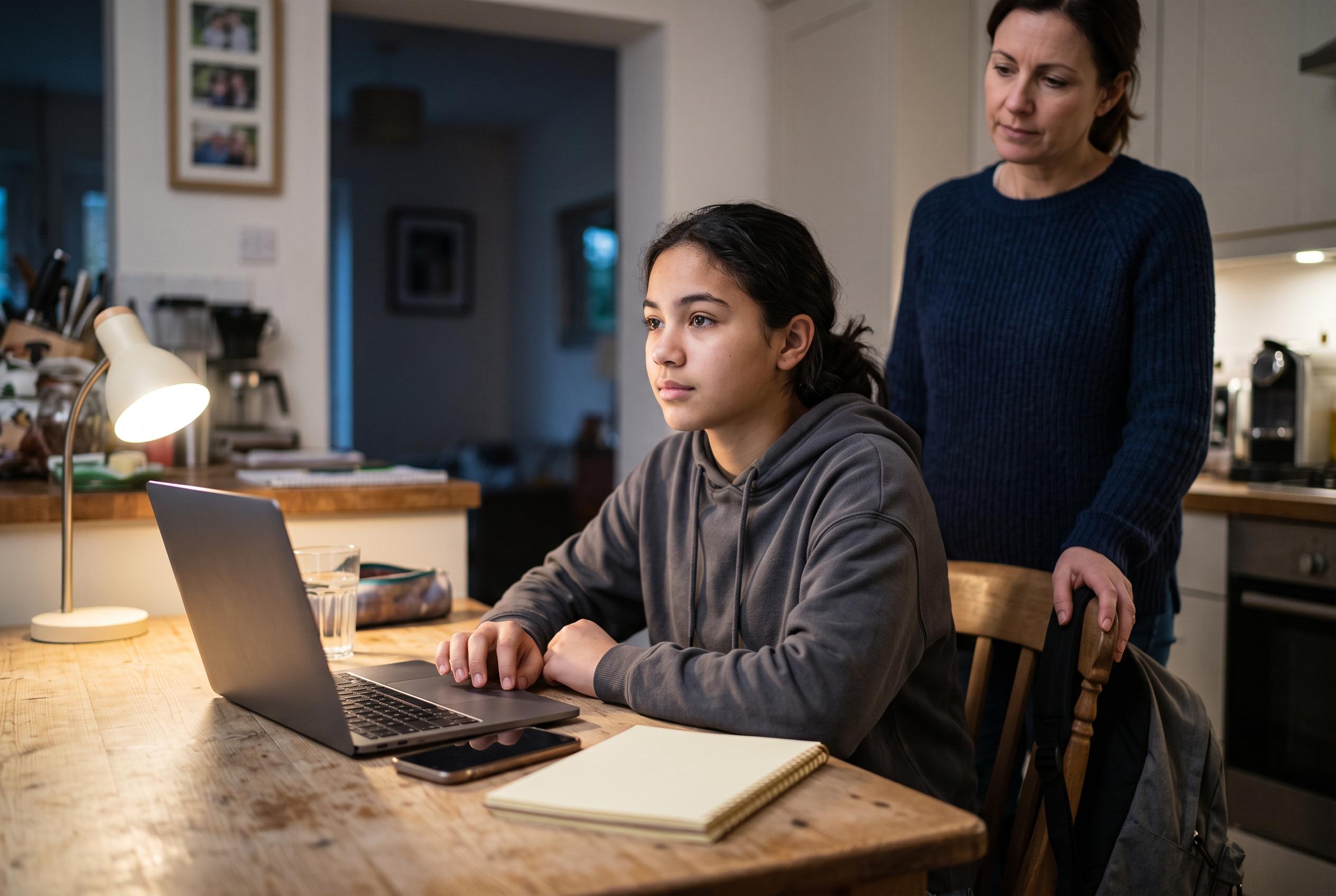

As governments around the world implement social media restrictions for minors, researchers highlight the importance of evaluating whether these policies truly enhance young people’s wellbeing rather than merely reducing screen time.
As governments move to curb teenage access to social media, researchers are warning that the real test is not whether platforms are simply “good” or “bad”, but whether restrictions actually improve young people’s lives. Australia became the first country to bar social media use for under-16s in December 2025, with Indonesia quickly following. The European Union has taken a narrower path, blocking access for children under 13 and personal accounts for those under 15, while experts say the effects of such rules could vary sharply by age, background and existing mental health. According to Camilla Iannone, who leads mental health evidence work at Wellcome, the key question is how changing the digital environment affects teenagers’ wellbeing, not just how much time they spend online.
The policy push comes as big tech faces growing legal and regulatory pressure. Meta agreed to pay up to $18 billion to settle claims in the United States that Facebook and Instagram harmed children, and the company has said it will add “safety by design” measures for younger users, including hiding the number of likes on posts. But researchers and campaigners say it remains unclear whether such design changes will meaningfully alter behaviour or improve mental health. In the wider debate, some public health specialists argue that the most important issue is not platform use itself, but the mechanisms behind any improvement, such as more sleep, more face-to-face contact or reduced exposure to harmful content.
Early evidence from Australia suggests the practical challenges are substantial. An evaluation published in the British Medical Journal found little sign of a major drop in social media use three months after the ban took effect, with many teenagers still finding ways around age checks. Australia’s online regulator also reported that more than 80% of children were still using a restricted online platform. That has led researchers to conclude that implementation, not just legislation, will determine whether the policy has any measurable effect on mental health.
In the UK, the government is planning to introduce its own social media ban in spring 2027, creating what many academics see as a rare chance for large-scale independent research. Wellcome says it will fund studies involving tens of thousands of teenagers to assess the impact of the policy on mental health and wellbeing. Iannone said young people involved in shaping the research pushed the discussion beyond harms alone, asking what role social media plays in their lives and what might replace it if access is cut off. That shift matters, because teenagers themselves describe social media as a source of learning, friendship, creativity and support, as well as risk.
The broader lesson, researchers say, is that restrictions should be judged on what they change in daily life, not only on whether they reduce screen time. That means examining whether teenagers spend more time outdoors, sleep better, study more or build stronger relationships, and whether some simply drift into boredom or less regulated corners of the internet. With Australia, the UK, the EU and Meta all taking different approaches, scientists say the moment offers an unusually clear opportunity to compare outcomes and learn which interventions, if any, actually support adolescent mental health.
Disclaimer: This content is for informational purposes only and is not intended to be a substitute for professional medical judgment, advice, diagnosis, or treatment.



