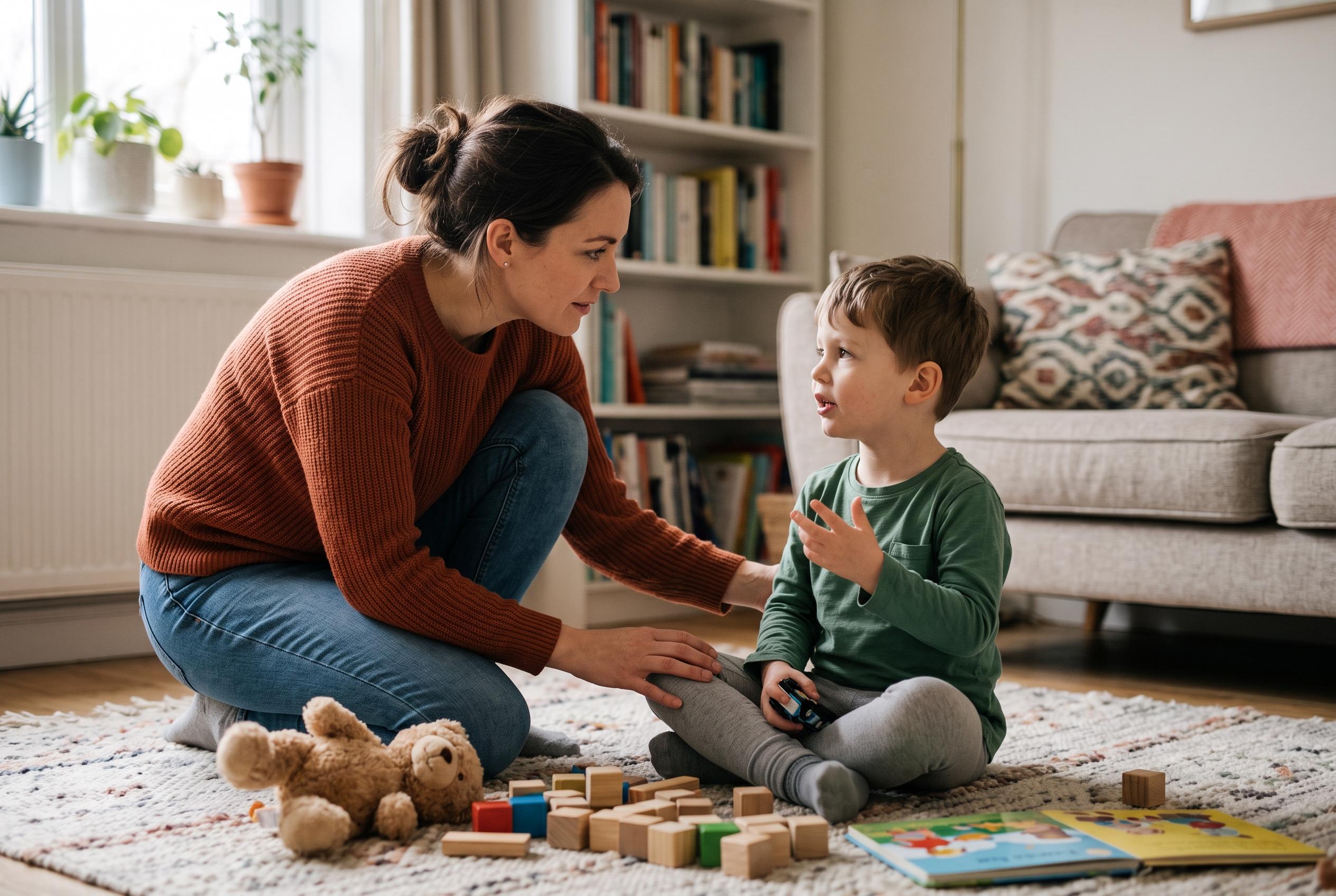

Research shows that fostering emotional skills in children relies on small, consistent daily habits rather than single conversations. Simple routines like naming feelings, active listening, and modelling empathy can significantly boost resilience and social skills.
Helping children become emotionally intelligent rarely comes from a single big conversation. More often, it grows out of small daily habits at home: naming feelings, listening properly, showing empathy and letting children practise solving problems for themselves. The Good Men Project says these routines can help children learn to understand, manage and express emotions with more confidence, while also strengthening resilience and relationships.
Children’s Mercy notes that emotional intelligence is not something children are simply born with; it can be shaped through repeated interactions with parents, carers, teachers and friends. The organisation says that children who develop these skills are often better able to cooperate, maintain friendships and cope with school pressures. Psychology Today has made a similar point, arguing that emotionally responsive parenting helps build the neural pathways linked with emotional development.
One of the simplest ways to build those skills is to give children a vocabulary for what they feel. Rather than dismissing distress, parents can name the emotion, validate it and invite conversation. That approach helps children move from reacting instinctively to understanding what is happening inside them. It also helps to model the behaviour you want to see, such as staying calm under pressure, talking through frustration and apologising when you get things wrong.
Experts also point to active listening, reflection and empathy as everyday tools that matter. Asking children what happened at school, how a character in a book might feel or what they could try differently next time encourages self-awareness and problem-solving. All for Kids says emotional intelligence supports clear communication, stress management and healthy relationships, while The Bump describes it as a key part of getting along with family, classmates and friends.
Praise matters too, but it works best when it recognises effort rather than only results. Noticing patience, kindness or persistence reinforces the idea that emotional skills are worth practising. Over time, those steady interactions can help children handle disappointment, resolve conflict and respond to others with more care. As the parenting advice collected by The Good Men Project suggests, emotional intelligence is built less through grand lessons than through the ordinary moments repeated every day.
Disclaimer: This content is for informational purposes only and is not intended to be a substitute for professional medical judgment, advice, diagnosis, or treatment.