

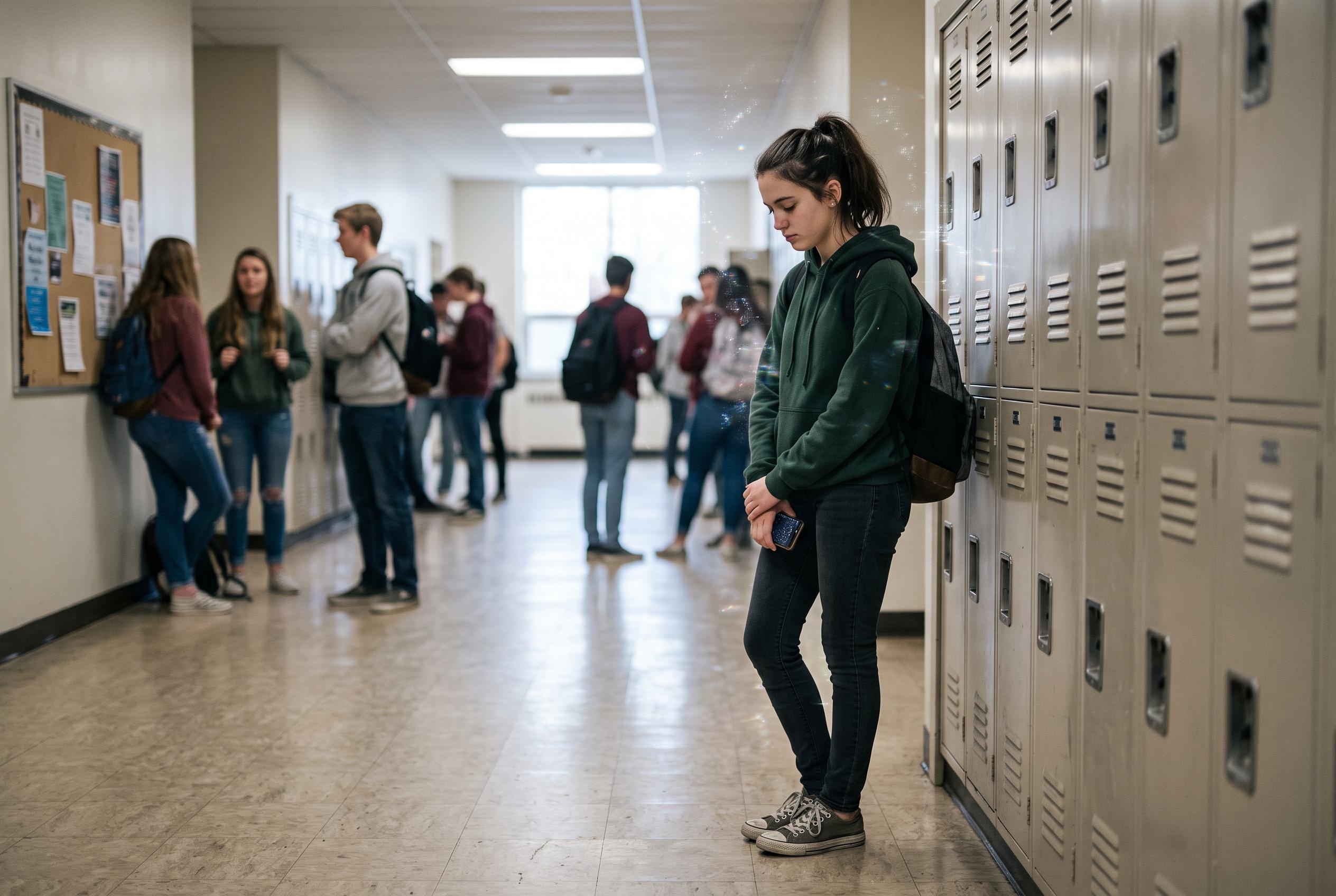

Recent evidence shows that online harassment is now affecting how teenagers think, speak, and act outside the digital world, prompting fears among educators and researchers over normalising cruelty and risky behaviour.
Cyberbullying is no longer just an online nuisance. It is now shaping how some teenagers think, speak and behave offline, with educators and researchers warning that hostile posts, rumours and constant harassment can help normalise cruelty and risk-taking.
Recent data suggest the problem remains widespread. Pew Research found that 49% of older teenagers have experienced at least one form of online harassment, including name-calling, false rumours, threats and the sharing of explicit images without consent. Other surveys show similar or higher levels of abuse, with nearly half of teens saying they have been bullied or harassed online, and some reporting that the behaviour is tied to appearance or social status.
The concern is not limited to victims. A systematic review published in the journal that examined dozens of meta-analyses found that people who bully online can face their own consequences, including depression, anxiety, low self-esteem, substance use and weaker academic outcomes. The review also found that prevention efforts can work, but only modestly, and are most effective when they involve families, schools, peers and the online spaces where abuse begins.
For parents and caregivers, the lesson is clear: cyberbullying should be treated as part of a wider pattern of dangerous behaviour, not an isolated insult delivered through a screen. Signs can include withdrawal, anger, changes in sleep or school performance, and a sudden obsession with phones and social media. The best response is usually a mix of close supervision, open conversation and quick intervention before online hostility becomes something larger and harder to reverse.
Disclaimer: This content is for informational purposes only and is not intended to be a substitute for professional medical judgment, advice, diagnosis, or treatment.



